7 min read
The global hiring landscape has changed dramatically in the past decade. Graduates and job seekers entering the workforce today face a radically different environment compared to previous generations.
Automated screening systems, AI-driven recruitment pipelines, and intense global competition have transformed the job market into a complex digital ecosystem.
In this environment, traditional career tools such as static CVs, basic portfolios, and generic job boards are becoming increasingly ineffective. Many applicants submit hundreds of applications yet receive little to no response.
This phenomenon has led to growing frustration among graduates who feel that the system is designed to filter them out before they ever get the chance to demonstrate their abilities.
To address this structural challenge, Napblog Limited introduced Nap OS, an execution-first career operating system designed specifically for graduates and job seekers.
Instead of focusing solely on credentials or self-reported experience, Nap OS focuses on verifiable career execution — documenting what users actually do, build, learn, and contribute.
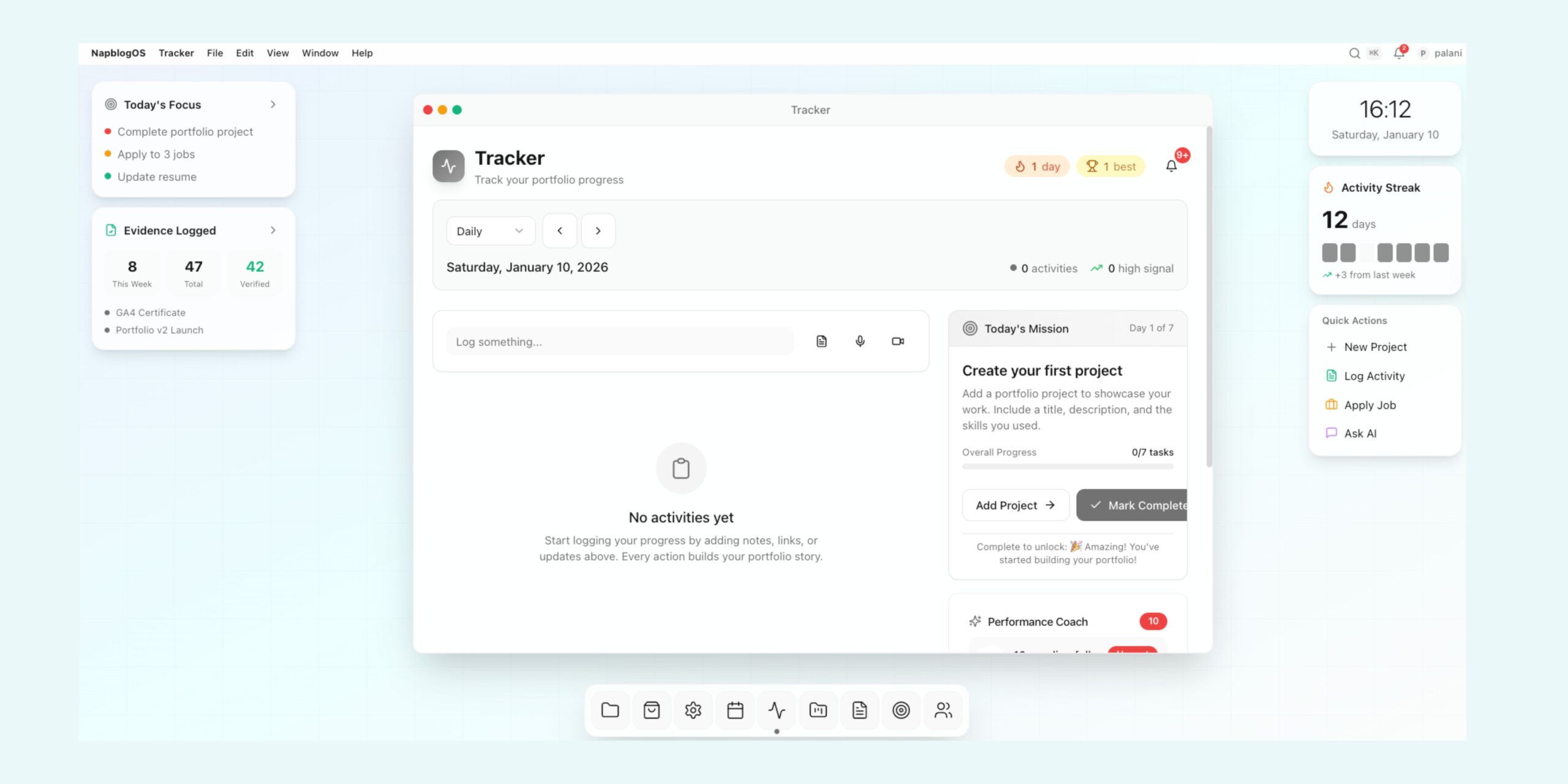
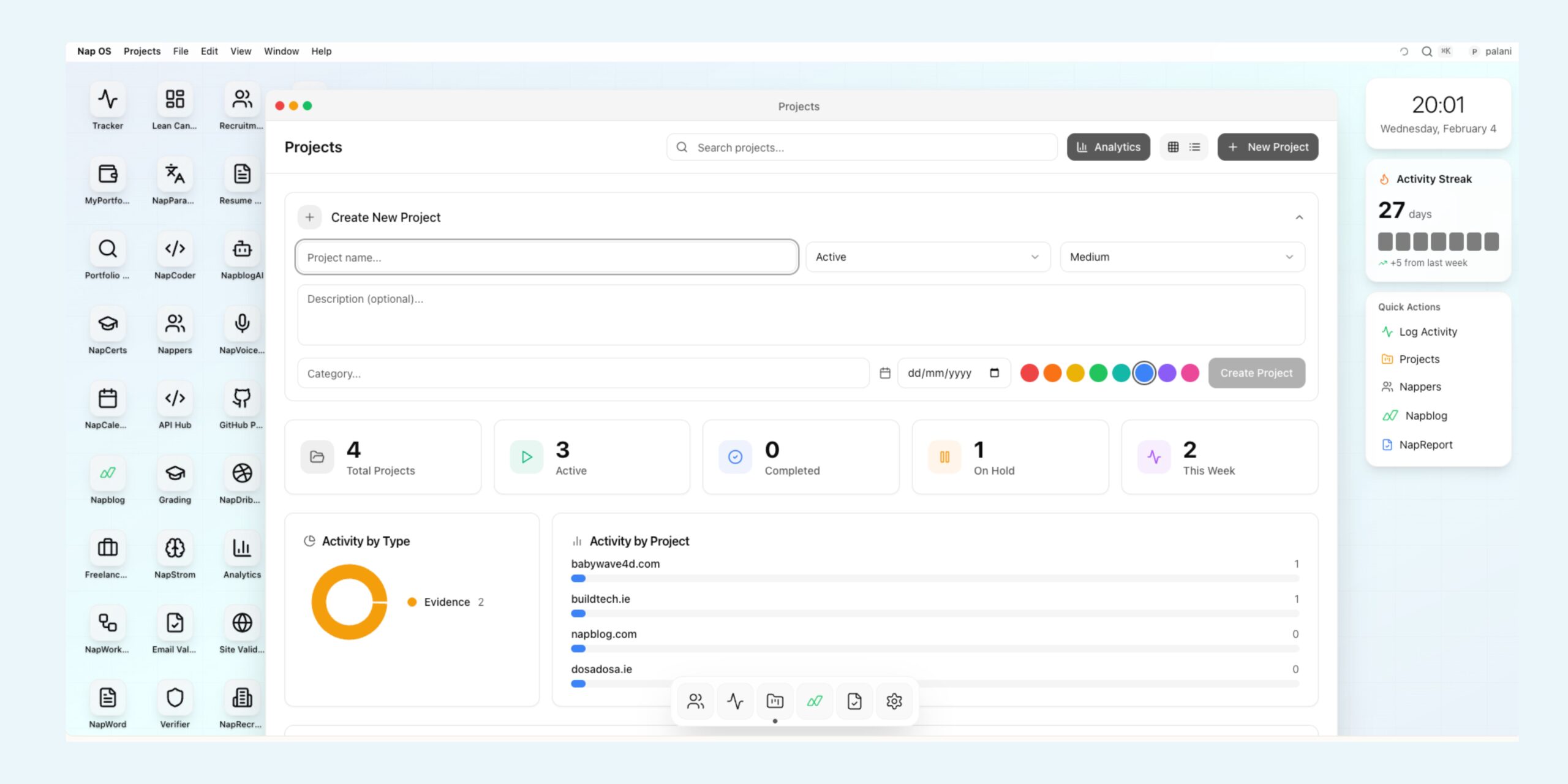
The platform integrates portfolio tracking, AI career intelligence, and real-world project documentation into a single system designed to help individuals prove their capabilities in a competitive market.
This article explores the Top 10 reasons why Nap OS is becoming an essential platform for graduates and job seekers.
1. The AI Hiring Crisis Requires a New Career Strategy
Recruitment today is largely automated. Many companies use Applicant Tracking Systems (ATS) and AI filters to manage the enormous volume of applications they receive. These systems scan resumes for keywords, qualifications, and formatting rules before any human recruiter reviews them.
As a result, many capable candidates are filtered out before their applications are ever seen by a hiring manager.
Studies and surveys frequently show that a large portion of applicants believe their CVs never reach a real person. This has created what many career analysts call the “AI hiring crisis.”
Nap OS was built specifically to address this challenge. Instead of relying on keywords alone, the system focuses on evidence-based profiles, where actual work outputs, projects, and execution history become the foundation of a candidate’s career identity.
This approach shifts the emphasis away from self-described experience and toward documented performance.
2. Building a Verified Portfolio Instead of a Static Resume
Traditional resumes describe what a person claims to have done. Recruiters must trust that the information is accurate, often without any immediate verification.
Nap OS introduces a different concept: the verified career portfolio.
Through integrations with tools commonly used in professional work environments — such as design platforms, analytics tools, development environments, and collaboration software — Nap OS can import real project data into a structured career portfolio.
Examples of integrated tools include:
- GitHub
- Figma
- Google Analytics
Instead of simply stating “worked on a marketing campaign,” users can show:
- campaign assets
- analytics results
- project documentation
- execution timelines
This transforms the portfolio from a presentation layer into a proof-of-work system.
3. Documenting Real-World Experience from Day One
One of the biggest barriers graduates face is the “experience paradox”:
Employers want experience, but graduates cannot gain experience without employment.
Nap OS attempts to solve this by encouraging users to log real projects and activities, even outside traditional employment structures.
Examples include:
- university group projects
- internships
- freelance assignments
- startup collaborations
- volunteer initiatives
- independent research
- personal technical projects
Each activity can be documented inside the platform with supporting evidence such as files, outputs, timelines, and results.
Over time, the user builds a career execution timeline, showing how their skills developed through real work.
This approach reframes early career experience as continuous learning through execution, rather than waiting for a formal job title.
4. AI-Powered Career Intelligence with NapAI
Career development is often confusing for graduates because they receive fragmented advice from multiple sources: university career centers, online articles, mentors, and recruiters.
Nap OS introduces an AI layer called NapAI, which analyzes a user’s:
- skill progression
- project history
- tool usage
- learning patterns
- career interests
Based on this analysis, the system can recommend:
- potential career paths
- skill improvements
- portfolio enhancements
- project suggestions
Instead of generic advice, the recommendations are based on actual career activity data collected within the platform.
This helps users make strategic career decisions, rather than reacting randomly to job listings.
5. Converting Job Descriptions into Action Plans
Many job seekers struggle to understand how to prepare effectively for a specific job posting.
A job description might list dozens of requirements, tools, and competencies. Interpreting these requirements and translating them into actionable preparation steps is often difficult.
Nap OS addresses this challenge with a job description analysis feature.
Users can copy a job description into the system, and the platform breaks it down into a structured checklist that may include:
- required skills
- recommended tools
- portfolio expectations
- project examples to demonstrate capability
This allows graduates to reverse engineer job requirements and build targeted evidence that aligns with what employers are looking for.
Instead of applying blindly, job seekers can prepare strategically.
6. Rewarding Consistent Effort Through the Streak Scholarship
Many professional platforms operate on a simple subscription model: users pay for access to premium features.
Nap OS introduces a different concept called the Streak Scholarship, designed to reward consistent career development effort.
Users who log their activities regularly — such as documenting projects, learning new tools, or contributing to collaborative work — can earn discounts on the Pro version of the platform.
For example, maintaining consistent activity streaks can unlock up to 50% discounts on premium features.
This system reflects the platform’s core philosophy:
Career success is built through consistent execution, not simply purchasing access to tools.
7. Creating an Evidence-Based Professional Identity
Professional identity on most platforms is largely self-reported.
For example:
- job titles are manually entered
- achievements are described in text
- skills are selected from lists
Nap OS attempts to shift this model toward traceability and auditability.
Each entry in the platform can include supporting evidence such as:
- files
- links
- analytics screenshots
- repositories
- collaborative project records
This makes the profile more defensible and credible for employers.
Instead of asking “What does this person claim to know?”, recruiters can ask:
“What has this person actually executed?”
8. Access to Real Projects and Collaborative Opportunities
A major component of early career development is exposure to real work environments.
Through its ecosystem and incubator initiatives, Napblog Limited connects users with project-based opportunities such as:
- marketing collaborations
- product development initiatives
- startup experiments
- remote internships
- open innovation projects
These opportunities are often structured as portfolio-first experiences, meaning the primary goal is not simply employment but the creation of documented work outputs.
Participants can contribute to real projects while simultaneously building their professional evidence base inside Nap OS.
9. Navigating the Problem of “Ghost Jobs”
Another emerging issue in modern hiring is the presence of ghost job listings.
Ghost jobs are postings that appear active but are not genuinely recruiting candidates. They may exist for various reasons, including:
- collecting resumes
- testing the labor market
- maintaining company visibility
- fulfilling internal HR requirements
For job seekers, applying to ghost jobs wastes significant time and emotional energy.
Nap OS helps users track applications, responses, and outcomes through a structured system. Over time, this data can help job seekers identify:
- companies that respond frequently
- industries with higher hiring activity
- ineffective application strategies
This improves transparency in a job market that often feels opaque and unpredictable.
10. Bridging the Gap Between Academic Learning and Industry Expectations
One of the most persistent criticisms of higher education is the gap between academic knowledge and workplace requirements.
Universities often emphasize theoretical learning, while employers prioritize practical skills such as:
- project execution
- tool proficiency
- collaboration
- problem solving
- measurable results
Nap OS attempts to bridge this gap by encouraging students and graduates to translate academic work into industry-relevant evidence.
For example:
A university research assignment could become:
- a documented project
- a data analysis portfolio item
- a technical case study
- a presentation artifact
This transformation allows academic work to become career capital, rather than remaining confined within the classroom.
The Larger Vision Behind Nap OS
Beyond individual features, Nap OS represents a broader shift in how careers may be built in the digital economy.
Instead of relying solely on:
- degrees
- job titles
- resumes
future hiring may increasingly depend on verifiable execution records.
Platforms that capture and organize these records could become the infrastructure for a new type of professional identity.
Nap OS is designed as an operating system for career development, where multiple tools, data sources, and career activities integrate into a unified framework.
The goal is simple but ambitious:
Help individuals become ready when opportunity responds.
Conclusion
Graduates and job seekers today face a challenging and rapidly evolving employment landscape. Automated hiring systems, global competition, and shifting skill requirements have created new barriers to entering the workforce.
Traditional career tools are no longer sufficient to navigate this environment.
By focusing on execution, evidence, and continuous documentation, Nap OS offers a new approach to career development — one that prioritizes verifiable work over self-reported credentials.
The platform’s core advantages include:
- Overcoming AI-based resume filtering
- Building verified portfolios
- Documenting real-world experience
- AI-driven career guidance
- Job description analysis tools
- Rewarding consistent effort
- Evidence-based professional profiles
- Access to real project opportunities
- Transparent job application tracking
- Bridging the education-industry gap
For graduates and job seekers navigating the uncertainty of the modern job market, systems like Nap OS may represent the next evolution of career infrastructure.
Rather than simply telling employers what you can do, the future may belong to platforms that help you prove it.