Last updated: May 29, 2026
4 min read
Stress Is Not Always About Workload
Most people think stress comes from doing too much.
Too many tasks.
Too many responsibilities.
Too many expectations.
But in reality,
Stress often comes from something else.
Lack of traction.
Doing a lot
But not seeing progress.
Effort without movement.
That creates psychological friction.
At Napblog Limited,
Through Intuition Psychology OS,
We observe this pattern repeatedly.
People are not exhausted by work.
They are exhausted by uncertainty.
What Is Traction in a Psychological Context?
Traction is not just growth metrics.
It is perceived progress.
A signal that what you are doing is working.
It can be:
Small wins
Completed tasks
Positive feedback
Clear direction
Traction creates momentum.
And momentum reduces stress.
Why Lack of Traction Feels Heavy
When there is no traction:
Effort feels wasted.
Direction feels unclear.
Motivation drops.
Doubt increases.
You start questioning:
“Is this even working?”
That question creates stress.
Not the work itself.
The Role of Intuition in Detecting Traction
Intuition picks up patterns.
Subtle signals.
Small improvements.
But when overwhelmed,
These signals are ignored.
Or misinterpreted.
Intuition Psychology OS focuses on
Recalibrating this awareness.
Targeted Improvements vs Random Effort
Random effort increases workload.
Targeted improvements increase traction.
The difference is clarity.
Knowing what to improve.
Where to focus.
What to ignore.
This reduces noise.
And stress.
What Are Traction Models?
Traction models define how progress is measured.
They create structure.
Clarity.
Direction.
Instead of vague goals,
They provide specific indicators.
Of movement.
Why Generic Goals Increase Stress
“Do better.”
“Work harder.”
“Improve results.”
These are vague.
They lack direction.
This creates confusion.
And confusion creates stress.
Specifics remove ambiguity.
The Power of Specific Metrics
Specific metrics create clarity.
For example:
Number of tasks completed
Time spent on focused work
Quality score of output
These are measurable.
Trackable.
Actionable.
This reduces uncertainty.
Breaking Down Work into Micro Traction Units
Large goals feel overwhelming.
Micro units simplify them.
Small steps.
Clear actions.
Immediate feedback.
This creates quick wins.
And reduces stress.
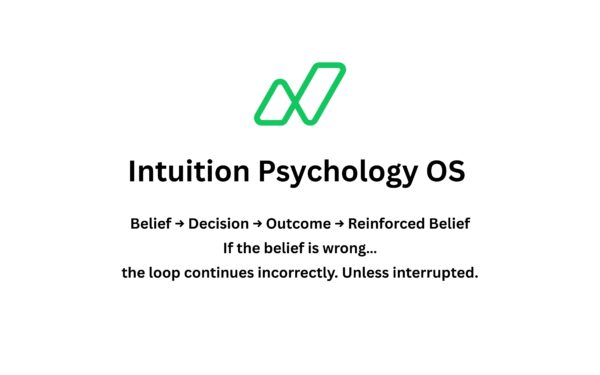
The Feedback Loop of Traction
Action leads to output.
Output creates feedback.
Feedback informs improvement.
Improvement leads to better action.
This loop builds momentum.
Breaking the loop creates stress.
Why Overthinking Kills Traction
Overthinking delays action.
No action means no feedback.
No feedback means no progress.
This creates stagnation.
And stagnation creates stress.
Action restores flow.
The Role of Consistency in Traction Models
Consistency builds predictability.
Predictability reduces anxiety.
When you know what to do daily,
Stress reduces.
Because uncertainty reduces.
Targeted Improvements: Identifying High-Impact Areas
Not all actions are equal.
Some create more traction.
Identifying these is critical.
This requires observation.
Analysis.
Awareness.
Focus on leverage points.
The 80/20 Perspective in Traction
20% of actions
Create 80% of results.
Focusing on these
Increases efficiency.
Reduces unnecessary effort.
This lowers stress.
The Psychological Impact of Visible Progress
Visible progress builds confidence.
Confidence reduces fear.
Fear reduction lowers stress.
This creates a positive cycle.
The Danger of Comparing Traction with Others
Comparison distorts perception.
Someone else’s progress
May not reflect your context.
This creates false pressure.
Focus on personal traction.
Not external benchmarks.
The Role of Routine in Managing Stress
Routine creates structure.
Structure reduces decision fatigue.
Less decision fatigue means less stress.
Traction models often include routines.
Daily actions.
Weekly reviews.
Monthly reflections.
A Founder’s Perspective on Traction and Stress
From building systems,
One insight stands out.
Stress increases
When effort is disconnected from results.
Connecting effort to outcomes
Reduces stress.
Why Multi-Tasking Reduces Traction
Multi-tasking splits focus.
Reduces quality.
Delays completion.
This reduces visible progress.
Single-tasking improves traction.
The Role of Environment in Supporting Traction
Environment influences behaviour.
Distractions reduce traction.
Focused environments increase it.
Designing the right environment
Supports consistent progress.
Tracking Progress Without Obsession
Tracking is important.
But over-tracking creates pressure.
Balance is key.
Track enough to see progress.
Not enough to create anxiety.
Emotional Regulation Through Traction Awareness
Understanding progress
Helps regulate emotions.
You know when to push.
When to pause.
When to adjust.
This reduces emotional volatility.
The Role of Reflection in Targeted Improvement
Reflection identifies patterns.
What worked.
What didn’t.
What can improve.
This informs next actions.
Improving efficiency.
Avoiding Burnout Through Smart Traction Models
Burnout comes from imbalance.
Too much effort
Without results.
Smart traction models
Align effort with outcomes.
Reducing burnout risk.
Building a Personal Traction System
Define clear metrics.
Break tasks into micro units.
Track progress daily.
Review weekly.
Adjust based on feedback.
Repeat.
This creates structure.
The Role of Intuition in Fine-Tuning the System
Data provides direction.
Intuition provides adjustment.
Together,
They create balance.
Rigid systems fail.
Adaptive systems succeed.
The Long-Term Effect of Targeted Improvements
Small improvements compound.
Over time,
They create significant change.
This builds confidence.
Reduces stress.
Improves performance.
Why This Matters in Modern Work Environments
Work is becoming complex.
Dynamic.
Unpredictable.
Clear traction models
Provide stability.
Within uncertainty.
Conclusion: Clarity Reduces Stress, Not Less Work
Stress is not solved
By doing less.
It is solved
By doing what matters.
With clarity.
With structure.
With feedback.
Intuition Psychology OS — by Napblog Limited —
Focuses on targeted improvements.
Through traction models.
To reduce stress.
And create sustainable progress.
Because in the end,
Peace does not come
From avoiding effort.
It comes
From knowing
That your effort
Is moving you forward.