5 min read
There is a moment every bachelor’s student faces.
It usually comes quietly.
Somewhere between assignments, deadlines, and final year pressure.
A question appears:
“What happens after this?”
For many students, the answer is uncertain.
They assume:
- A degree will lead to a job
- Good grades will create opportunities
- Applying everywhere will eventually work
But reality operates differently.
And this is where most students fall into what Napblog Limited calls:
The Inexperience Pitfall
What Is the Inexperience Pitfall?
The inexperience pitfall is simple:
You complete your degree
But you don’t have proof of work
You have:
- Knowledge
- Theoretical understanding
- Academic exposure
But you lack:
- Real-world execution
- Practical experience
- Demonstrable outcomes
And when employers evaluate you, they don’t ask:
“What did you study?”
They ask:
“What have you done?”
Why Final Year Is Too Late (If You Start Then)
Most students begin thinking about jobs in their final year.
That is already late.
Because:
- Hiring cycles begin early
- Competition includes experienced candidates
- Employers prefer low-risk hires
So if you wait until final year to act:
You are reacting.
Not preparing.
The Correct Timeline — Start in 4th Year
The real preparation window is:
Your 4th year (or second-last year)
This is the phase where you:
- Still have time to experiment
- Can afford mistakes
- Can build experience gradually
This is not the time to relax.
This is the time to:
Design your entry into the professional world
The Nap OS Approach
Nap OS does not focus on:
- Passive learning
- Certificate accumulation
- Random applications
It focuses on:
Execution tracking and proof building
The system is simple:
Do → Document → Improve → Showcase
Step 1 — Choose Direction, Not a Perfect Career
One of the biggest mistakes students make is:
Trying to decide their entire career too early.
Instead, focus on:
Direction
For example:
- Marketing
- Finance
- Data
- Product
- Operations
You don’t need full clarity.
You need:
A starting point
Step 2 — Understand What the Market Actually Needs
Before doing anything, ask:
“What does a beginner in this field actually do?”
Not what courses say.
Not what YouTube says.
But what:
Employers expect
Study:
- Job descriptions
- Required skills
- Tools used
- Responsibilities
This creates:
Reality awareness
Step 3 — Internship as a System, Not an Opportunity
Most students treat internships as:
- Something to apply for
- Something to wait for
Nap OS treats internships as:
A system to build experience
Instead of waiting to be selected:
Create your own internship pathway
Step 4 — Start with Micro-Internships
You don’t need a big company first.
Start small.
- Freelance tasks
- Volunteer projects
- Startup collaborations
Even unpaid or low-paid work is valuable if it gives:
Real experience
Step 5 — Work on Real Tasks, Not Just Learning
Watching tutorials is not experience.
Completing courses is not experience.
Experience comes from:
- Doing tasks
- Making mistakes
- Fixing them
For example:
If you are in marketing:
- Run a small ad campaign
- Write content
- Analyze performance
If you are in finance:
- Work on bookkeeping
- Create reports
- Understand transactions
Step 6 — Document Everything
This is where most students fail.
They do work.
But they don’t:
Record it
Nap OS emphasizes:
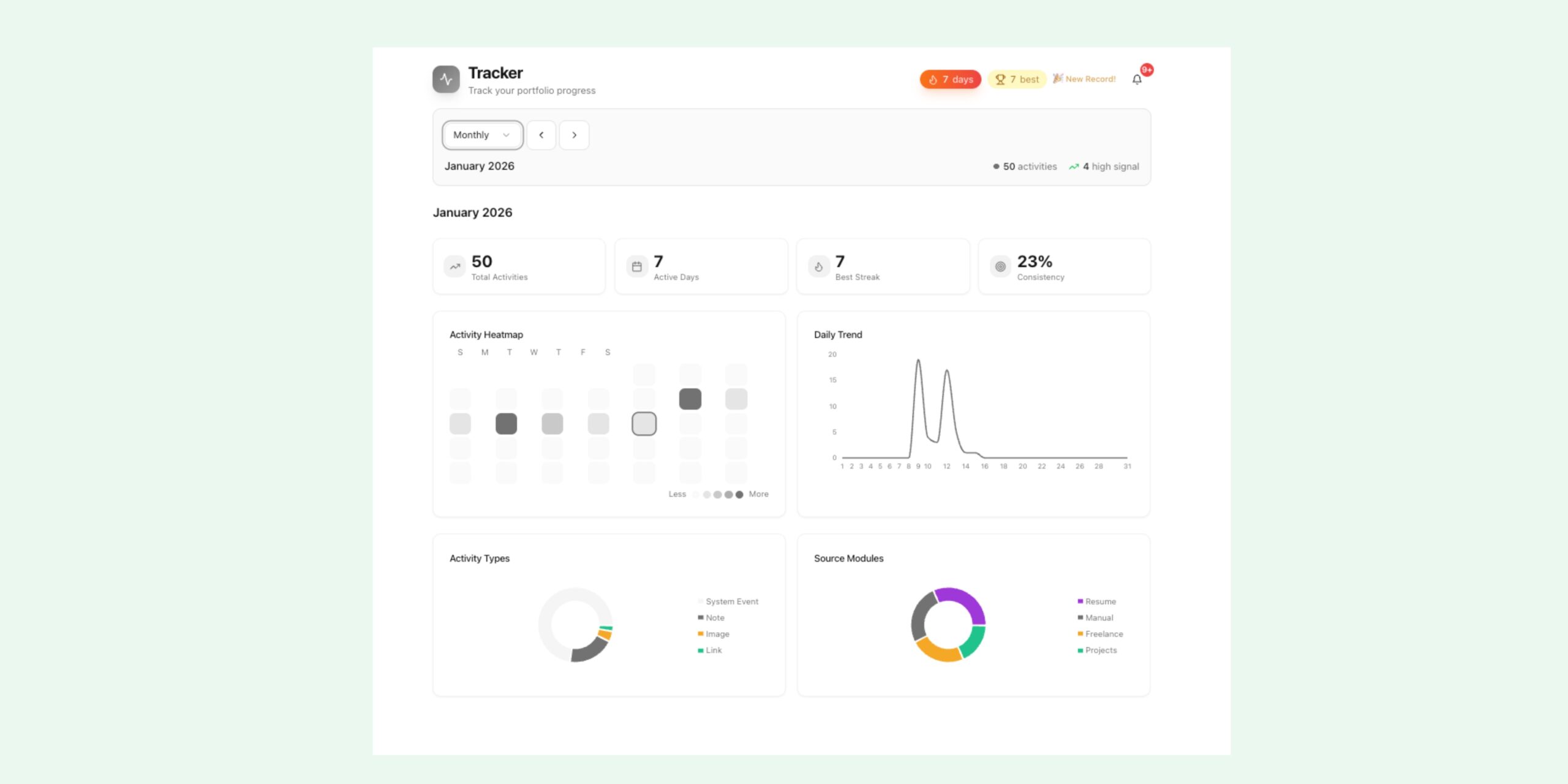
- Logging daily activities
- Tracking progress
- Documenting outcomes
Because:
If it’s not documented, it doesn’t exist professionally
Step 7 — Build a Professional Portfolio
Your portfolio should answer one question:
“Can you do the job?”
Include:
- Projects
- Tasks completed
- Results achieved
- Learnings
This becomes your:
Proof of capability
Step 8 — Develop Problem-Solving Thinking
Employers don’t hire students.
They hire:
Problem solvers
During your internships, focus on:
- Identifying problems
- Suggesting solutions
- Implementing ideas
Even small improvements matter.
Step 9 — Seek Feedback Continuously
Growth comes from:
Correction
Ask:
- What can I improve?
- Where am I lacking?
- What should I focus on next?
Feedback accelerates:
Skill development
Not what courses say.
Not what YouTube says.
Step 10 — Build Consistency
Doing something once is not enough.
Consistency creates:
- Skill depth
- Confidence
- Reliability
Work regularly.
Even if it is:
- 1–2 hours daily
Step 11 — Avoid the Application Trap
Many students:
- Apply to hundreds of jobs
- Get no response
- Feel frustrated
Because they lack:
Differentiation
Instead of mass applying:
- Build experience first
- Then apply strategically
Step 12 — Position Yourself as “Already Working”
The mindset shift is important.
Don’t think:
“I am a student looking for a job.”
Think:
“I am already working and building experience.”
This changes:
- Your confidence
- Your communication
- Your approach
Step 13 — Networking Through Work, Not Just Talking
Networking is not:
- Sending connection requests
- Asking for referrals
Real networking happens when:
People see your work
Share:
- Your projects
- Your learnings
- Your progress
This creates:
Visibility
Step 14 — Align Final Year Projects with Career Goals
Your final year project should not be random.
Align it with:
- Your chosen direction
- Your internship experience
This strengthens:
Your profile
Step 15 — Transition from Internship to Job
If done correctly, internships lead to:
- Full-time offers
- Referrals
- Opportunities
Because employers prefer:
Known performers
The Difference Between Two Students
Student A
- Focuses only on academics
- Applies in final year
- Has no real experience
Result:
- Struggles to get interviews
Student B
- Starts in 4th year
- Builds internship experience
- Documents work
- Creates portfolio
Result:
- Gets shortlisted
- Receives offers
The Reality of Hiring
Employers are not against freshers.
They are against:
Risk
When you have no experience:
You are a risk.
When you have proof:
You become:
An opportunity
The Role of Nap OS
Nap OS provides:
- Activity tracking
- Portfolio building
- Structured growth
It helps students:
- Stay consistent
- Measure progress
- Showcase work
Common Mistakes to Avoid
- Waiting for the “perfect internship”
- Focusing only on theory
- Not documenting work
- Ignoring feedback
- Applying without preparation
Final Year — Execution Phase
If you prepare in 4th year:
Final year becomes:
Execution
- Apply strategically
- Showcase your portfolio
- Leverage your experience
Final Reflection
A degree gives you:
Eligibility
Experience gives you:
Opportunity
And proof gives you:
Conversion
Conclusion
The journey from student to professional is not automatic.
It is designed.
By starting early, focusing on internships, and building proof through execution, you can:
- Avoid the inexperience pitfall
- Build confidence
- Land opportunities
Nap OS is not just a system.
It is a mindset.
A way to move from:
Learning → Doing → Proving
Because at the end of the day,
the market does not reward:
- Potential
- Intentions
- Plans
It rewards:
Execution