Last updated: February 17, 2026
5 min read
Over the last decade, Google Search has quietly transformed from a neutral discovery engine into a compliance-aware, accessibility-first, intent-driven marketplace. In 2025, this transformation has crossed a threshold.
We are now operating in what I call the ADA-Optimized SERP era.
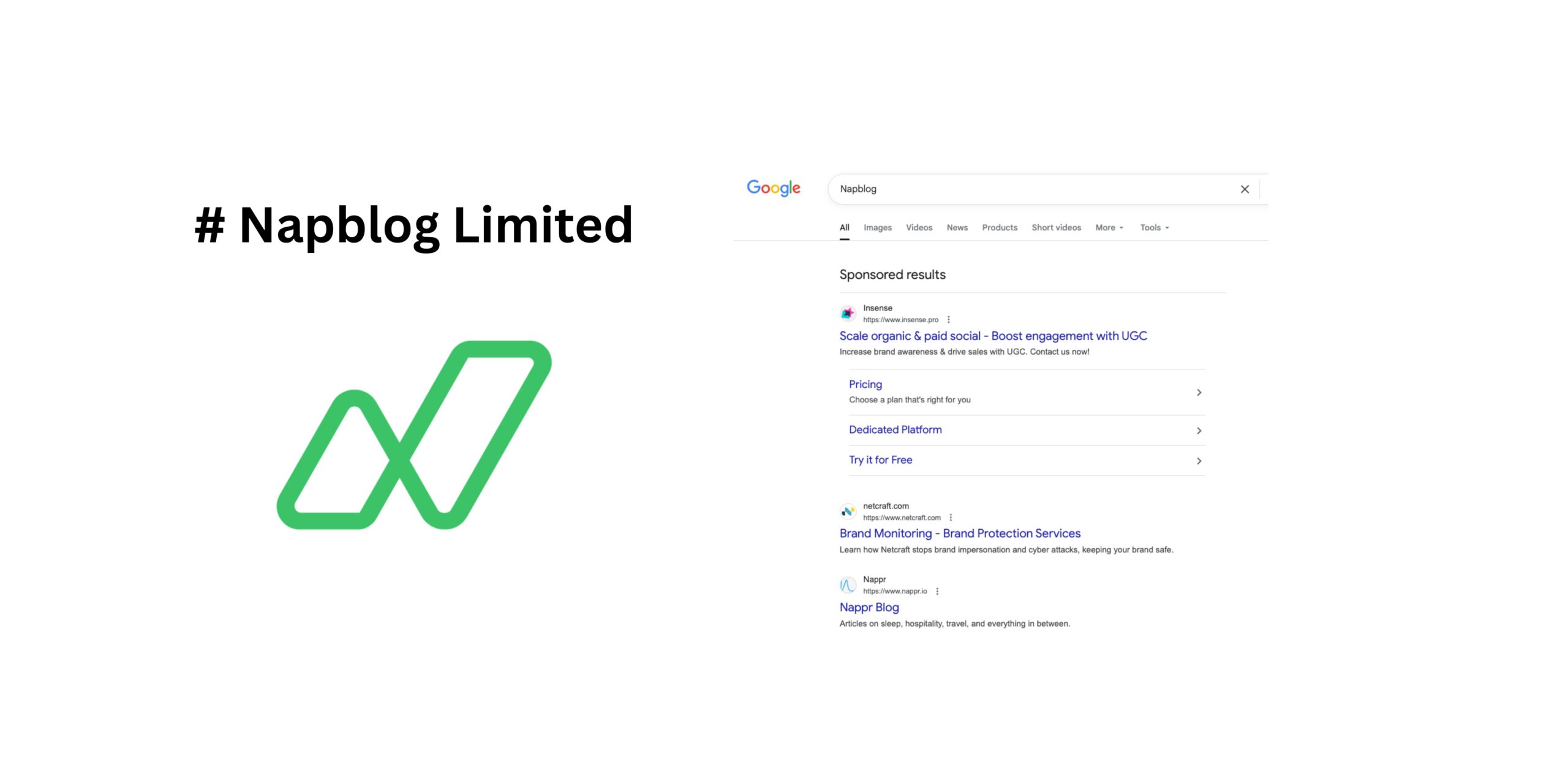
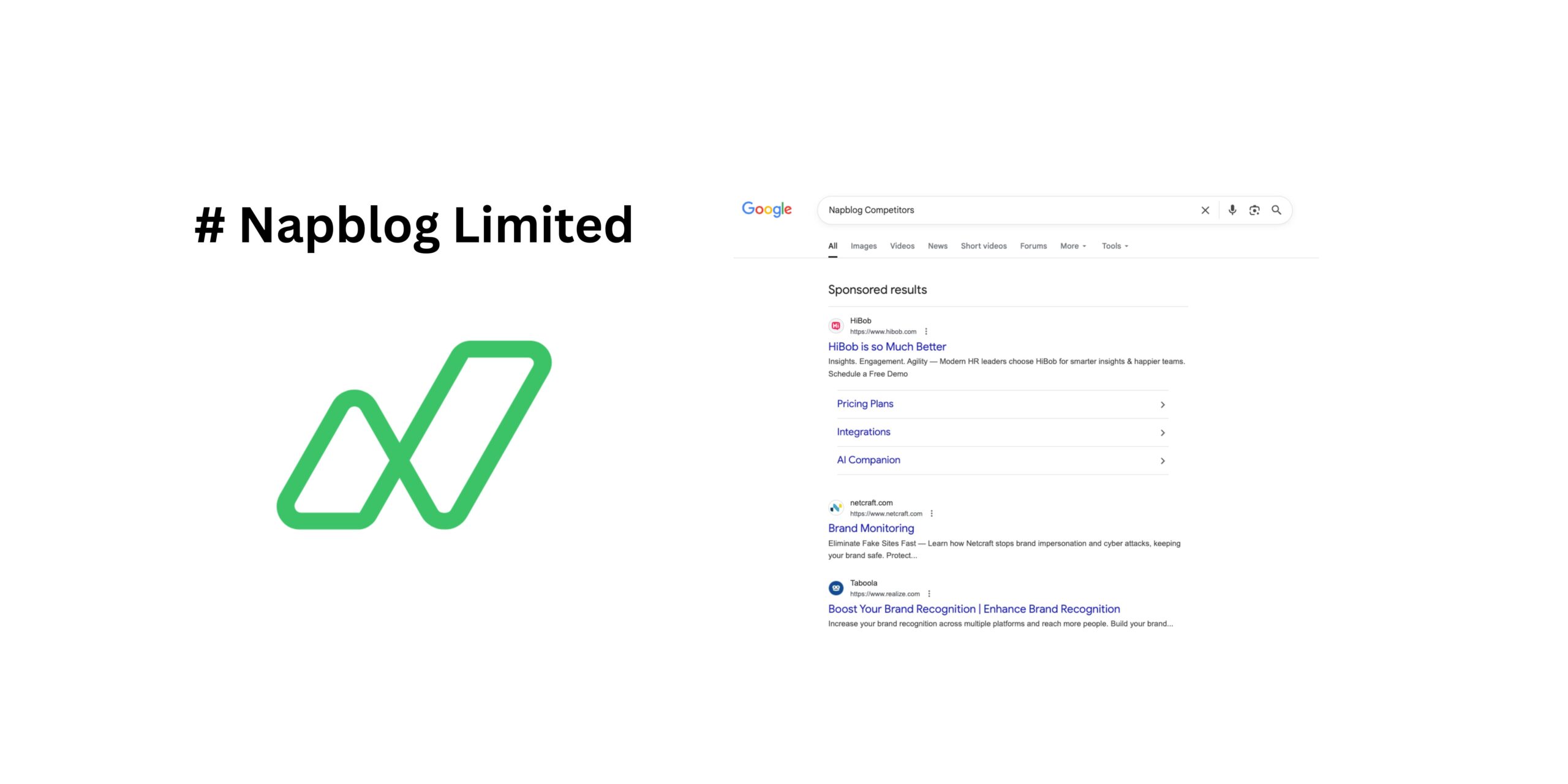
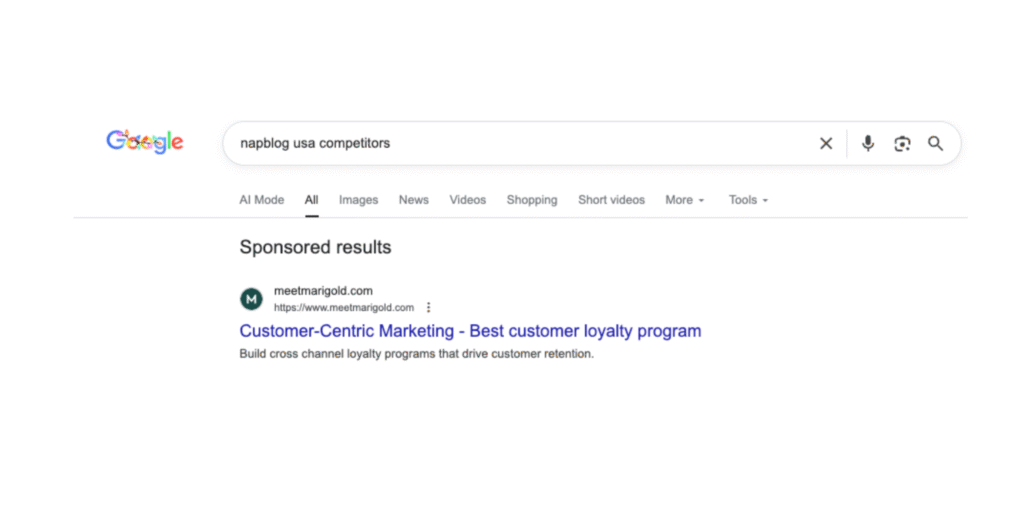
This shift matters—not just for enterprises, but especially for platform builders, SaaS founders, and ecosystem creators like us at Napblog. Recently, while monitoring branded and adjacent queries such as “Napblog USA competitors”, a notable signal emerged: enterprise-grade marketing platforms are now entering our SERP territory, not because they are direct substitutes—but because Google’s interpretation of value has changed.
One such entrant is Marigold, headquartered in Nashville, Tennessee.
This article is not about fear.
It is about signal reading, systems thinking, and competitive maturity.
The New Reality: Google SERP Is No Longer Neutral
Historically, search rankings rewarded:
- Keywords
- Backlinks
- Page authority
Today, Google rewards something fundamentally different:
- Accessibility compliance (ADA, WCAG, inclusive UX)
- Enterprise trust signals
- Cross-channel continuity
- Operational legitimacy
- User intent satisfaction across devices and abilities
In this context, platforms like Marigold are not merely advertising—they are qualifying as “safe, inclusive, scalable” answers to Google.
This is a structural change, not a tactical one.
Why Marigold Appears in Napblog-Adjacent Searches
Let’s be precise.
Marigold is not a blogging platform.
Marigold is not a learning OS.
Marigold is not a creator-first ecosystem.
Yet Marigold appears in competitive SERPs related to Napblog because Google’s new ranking logic is asking a different question:
“Which platforms can responsibly manage communication, personalization, and engagement at scale—for all users?”
That includes:
- Users with disabilities
- Institutions with compliance requirements
- Enterprises with risk exposure
- Governments, universities, and nonprofits
Marigold checks many of those boxes by default.
Understanding Marigold’s Strategic Positioning
Marigold is the result of a deliberate consolidation strategy, bringing together platforms such as Campaign Monitor, Emma, Vuture, Sailthru, and others.
This tells us three important things:
- Google increasingly favors consolidated ecosystems
- Fragmented tools are losing SERP authority
- Compliance + scale + continuity now outperform niche excellence
Marigold’s strength is not innovation speed—it is operational trust.
And Google is rewarding that.
ADA Compliance Is Now a Competitive Weapon
ADA (Americans with Disabilities Act) compliance is no longer a legal checkbox.
It has become:
- A ranking signal
- A brand legitimacy indicator
- A platform survival factor
In practical terms, Google evaluates:
- Screen reader compatibility
- Semantic HTML structure
- Keyboard navigation
- Contrast ratios
- Predictable interaction patterns
Platforms that systematically implement these win visibility.
This is why enterprise platforms—often slower to innovate—are now outranking faster, more creative tools in certain SERPs.
Napblog’s Position: Why This Is Not a Threat
At Napblog, we do not view Marigold as a threat.
We view it as confirmation.
Confirmation that:
- We are operating in the right problem space
- Our visibility has reached enterprise-grade radar
- Google now associates Napblog with platform-level outcomes, not content alone
This is a critical milestone.
Startups do not attract enterprise competitors by accident.
The Real Difference: Systems vs. Experience
Marigold is built for marketing operations.
Napblog is built for knowledge systems and creator intelligence.
That distinction matters.
Where Marigold optimizes:
- Campaign orchestration
- Loyalty flows
- CRM-driven messaging
Napblog optimizes:
- Learning velocity
- Creator workflows
- Knowledge compounding
- Student-to-founder pathways
Google currently struggles to distinguish experience depth from operational breadth.
That gap is our opportunity.
What Google’s ADA-First SERP Signals to Founders
If you are building a platform today, understand this clearly:
- Accessibility is no longer optional
- Documentation is now ranking capital
- Trust pages matter as much as feature pages
- Institutional readiness impacts discovery
This is why Napblog is intentionally investing in:
- Structural accessibility
- OS-level consistency
- Permissioned ecosystems
- Identity-driven access models
Not for optics—but for long-term discoverability.
US Market Reality: Why Enterprise Always Shows Up First
The US market behaves differently from Europe or Asia.
In the US:
- Legal exposure drives product design
- Compliance accelerates adoption
- Enterprise validation precedes community adoption
Marigold’s SERP presence reflects US market gravity, not Napblog weakness.
Understanding this distinction is essential for international founders.
Competition as Infrastructure, Not Conflict
Healthy ecosystems require overlapping capabilities.
Just as:
- Salesforce appears near startup CRMs
- Adobe appears near indie design tools
- Microsoft appears near productivity startups
Marigold appearing near Napblog tells us:
“This category is maturing.”
And maturity is where platforms become infrastructure.
Napblog is not competing to replace Marigold.
Napblog is competing to define a new operating layer.
Napblog’s Strategic Advantage Going Forward
Our advantage is not scale today.
It is architectural intent.
Napblog is being designed as:
- A learning OS
- A creator workspace
- A student-to-enterprise bridge
- A knowledge infrastructure layer
These are non-replaceable roles.
Enterprise platforms cannot retrofit community intelligence.
They can only acquire it.
What This Means for Napblog’s Global Community
To our users, builders, students, and partners:
Seeing enterprise platforms in our SERP landscape is a sign that:
- Your work matters
- Your ecosystem has signal
- Your platform is visible at the right altitude
Competition does not dilute value.
It clarifies it.
Final Thought: The Future Is Not Tool-Based, It Is System-Based
Marigold represents excellence in relationship marketing systems.
Napblog represents the next generation of knowledge-driven operating systems.
Google’s ADA-driven SERP evolution is forcing these systems to coexist.
That coexistence is where innovation accelerates.
At Napblog, we welcome it.
Because platforms that survive this era will not be the loudest.
They will be the most intentional.
If you are a founder, educator, or builder navigating similar signals—this is the conversation we should be having openly.
Competition is not a weakness.
It is proof of relevance.
—
Pugazheanthi Palani
Founder, Napblog
MSc International Business
Every platform has a growth story worth studying. Follow Napblog on LinkedIn.
Learn more about the Napblog platform on the Napblog blog.