5 min read
Let’s be direct.
Signing an NDA with an AI agency feels like progress.
It feels like you’re moving forward, getting serious, protecting your idea.
But here’s the uncomfortable truth:
Most founders and companies sign NDAs before they even understand what they are protecting — or who they are trusting.
And in the AI era, that mistake is expensive.
Because you’re not just sharing an idea.
You’re potentially exposing:
- Customer data
- Business logic
- Competitive advantage
- Future product direction
That’s why, at Napblog Limited, through AI Europe OS, we built something foundational:
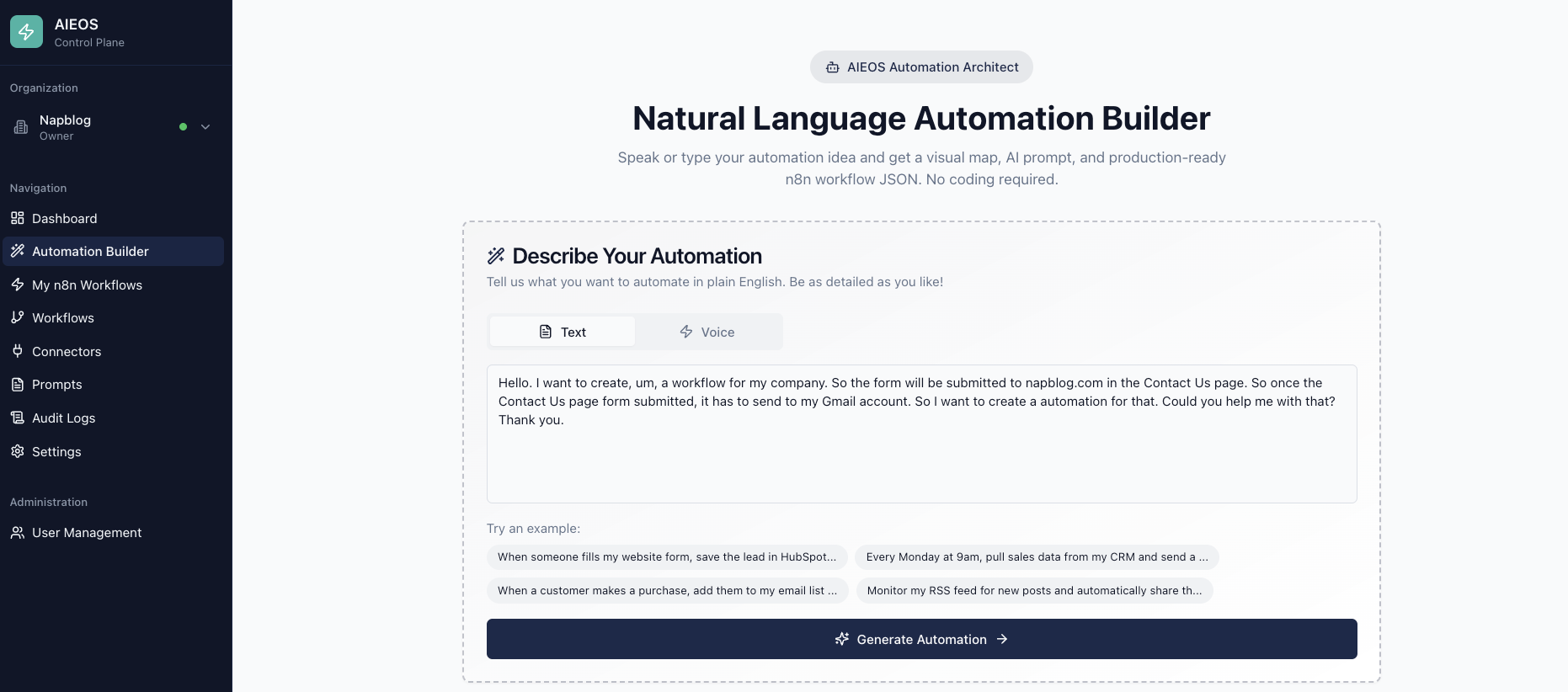
Lead Gen Sync AI Agent — a pre-engagement intelligence system that asks the right questions before any legal document is signed.
This is not about legal protection.
This is about decision intelligence before commitment.
The Real Problem: NDAs Are Used as Emotional Shortcuts
Let’s break what usually happens.
A company reaches out to an AI agency.
- There’s excitement
- A few calls happen
- The agency says: “Let’s sign an NDA and go deeper”
And most people think:
“Good, they’re professional.”
But in reality:
- NDAs don’t guarantee competence
- NDAs don’t validate ethics
- NDAs don’t ensure delivery capability
They only restrict information misuse—and even that depends on enforcement.
Why This Matters More in AI Than Any Other Industry
In traditional services, mistakes cost time and money.
In AI:
- Wrong architecture → long-term inefficiency
- Poor data handling → compliance risks
- Misaligned models → business failure
And the worst part?
You often don’t realize the mistake until months later.
The AI Europe OS Philosophy
Before trust, there must be structured questioning.
Before collaboration, there must be clarity alignment.
That’s why Lead Gen Sync AI Agent operates on one principle:
“Ask before you expose.”
The 3 Layers of Pre-NDA Intelligence
The system breaks questioning into three layers:
- Capability Validation – Can they actually build?
- Thinking Validation – Do they understand your problem?
- Integrity Validation – Can they be trusted long-term?
Let’s go deep into each—with executable questions.
Layer 1: Capability Validation
(Can they do what they claim?)
Most AI agencies look impressive on the surface.
- Good website
- Strong buzzwords
- Case studies (often vague)
But capability is not branding.
It’s execution depth.
Essential Questions:
1. “Can you walk me through a recent AI system you built—from problem to deployment?”
You’re not looking for a summary.
You’re looking for:
- Process clarity
- Decision points
- Challenges faced
If they speak in generalities, that’s a red flag.
2. “What part of the AI stack do you build in-house vs outsource?”
Why this matters:
Some agencies:
- Sell AI
- But outsource the actual development
That creates:
- Dependency risks
- Communication gaps
- Quality inconsistencies
3. “How do you handle model failure or underperformance?”
AI systems fail.
Good agencies:
- Expect it
- Plan for it
- Monitor it
Bad agencies:
- Avoid the topic
- Overpromise results
4. “What metrics define success for this project?”
If they can’t define:
- Clear KPIs
- Measurable outcomes
They are not thinking in systems.
Layer 2: Thinking Validation
(Do they understand your business—or just AI?)
This is where most agencies fail.
They understand AI.
But they don’t understand your problem.
Essential Questions:
5. “How would you define our problem in your own words?”
This is powerful.
If they truly understand:
- They’ll simplify it
- They’ll reframe it
- They might even challenge your assumption
6. “What would you NOT build in this project?”
Great thinkers know what to avoid.
If they say:
“Everything is possible”
That’s not confidence.
That’s lack of focus.
7. “Where do you see the highest risk in this project?”
You’re testing:
- Honesty
- Foresight
- Strategic thinking
8. “How does this solution evolve over 6–12 months?”
AI is not static.
You need:
- Iteration thinking
- Scalability planning
Layer 3: Integrity Validation
(Should you trust them beyond the contract?)
This is the most ignored layer.
And the most important.
Essential Questions:
9. “How do you handle client data internally?”
Look for:
- Access control
- Storage policies
- Security measures
Vague answers = risk.
10. “Have you ever refused a project? Why?”
This question reveals:
- Ethics
- Boundaries
- Decision principles
11. “What happens if we decide to stop working together?”
You need clarity on:
- Data ownership
- Code access
- Transition process
12. “Who owns what we build?”
Never assume.
Always clarify:
- IP ownership
- Model rights
- Data usage
The Role of Lead Gen Sync AI Agent
Now here’s where AI Europe OS becomes powerful.
Instead of manually asking these questions…
We built an AI agent that:
- Guides founders through structured questioning
- Adapts questions based on responses
- Flags risks in real-time
- Scores agency alignment
What Makes It Different?
It doesn’t just collect answers.
It interprets intent.
For example:
- Overuse of buzzwords → flagged
- Lack of specifics → flagged
- Avoidance patterns → flagged
The Psychological Advantage
Most founders feel:
- Nervous questioning agencies
- Afraid of sounding “non-technical”
Lead Gen Sync AI Agent removes that pressure.
It creates:
Structured confidence in conversations
The Strategic Advantage
Instead of:
“We like them, let’s move forward”
You get:
“Here’s a data-backed evaluation of whether they fit our system”
The Biggest Mistake Founders Make
They think:
“The idea is the asset”
But in AI:
Execution system is the asset
And the wrong agency can:
- Delay you
- Misguide you
- Lock you into bad architecture
The Future of AI Engagements
In the next 3–5 years:
- NDAs will be standard
- AI agencies will multiply
- Differentiation will blur
The only advantage left will be:
How intelligently you choose your partners
Final Thought from Napblog Limited
Signing an NDA is not the start of a partnership.
It’s the point where you must be most aware.
Because once information flows, control reduces.
One Line to Remember:
Don’t use NDAs to feel safe — use intelligent questioning to actually be safe.
AI Europe OS is not here to help you hire faster.
It’s here to help you choose smarter.
Because in AI, the difference between success and failure is not effort.
It’s who you build with—and how you decide that.