Last updated: May 29, 2026
1 min read
Am I thinking?
Or am I thinking
about thinking?
There’s a difference.
Most thoughts
just pass through.
Automatic.
Reactive.
Borrowed.
But sometimes
I catch one.
Pause it.
Turn it around.
Ask —
Why did I think that?
That moment
feels different.
Like stepping outside
my own mind
and observing it.
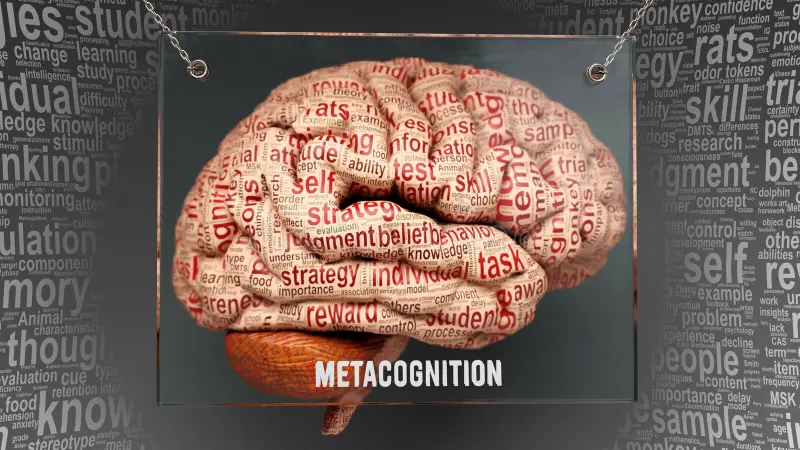
Metacognition.
The watcher
behind the thinker.
When I fail,
do I just feel bad?
Or do I analyze
how I processed the failure?
When I win,
do I celebrate?
Or do I study
the pattern
that led there?
Out-of-box thinking
begins here.
Not with ideas.
But with awareness
of how ideas are formed.
Why do I default to doubt?
Why do I rush decisions?
Why does criticism
echo longer than praise?
If I can see the pattern,
I can redesign it.
If I can hear
my internal dialogue,
I can edit it.
Metacognition
is mental leadership.
It separates stimulus
from response.
Emotion
from interpretation.
Impulse
from intention.
It’s not overthinking.
It’s structured observation.
It’s noticing
that my brain
loves shortcuts.
Loves assumptions.
Loves familiar stories.
And asking —
Is this story true?
Or just repeated?
Am I reacting
from habit?
Or responding
with choice?
The more I observe,
the less I am controlled.
The more I reflect,
the sharper I become.
So am I metacognitive?
Maybe not always.
But every time
I question my own thinking,
I upgrade my awareness.
And that
might be
the highest form
of intelligence.