Ideas that execute.
Every article is born from real execution inside Nap OS. Insights on building skills, launching careers, and creating systems that work.
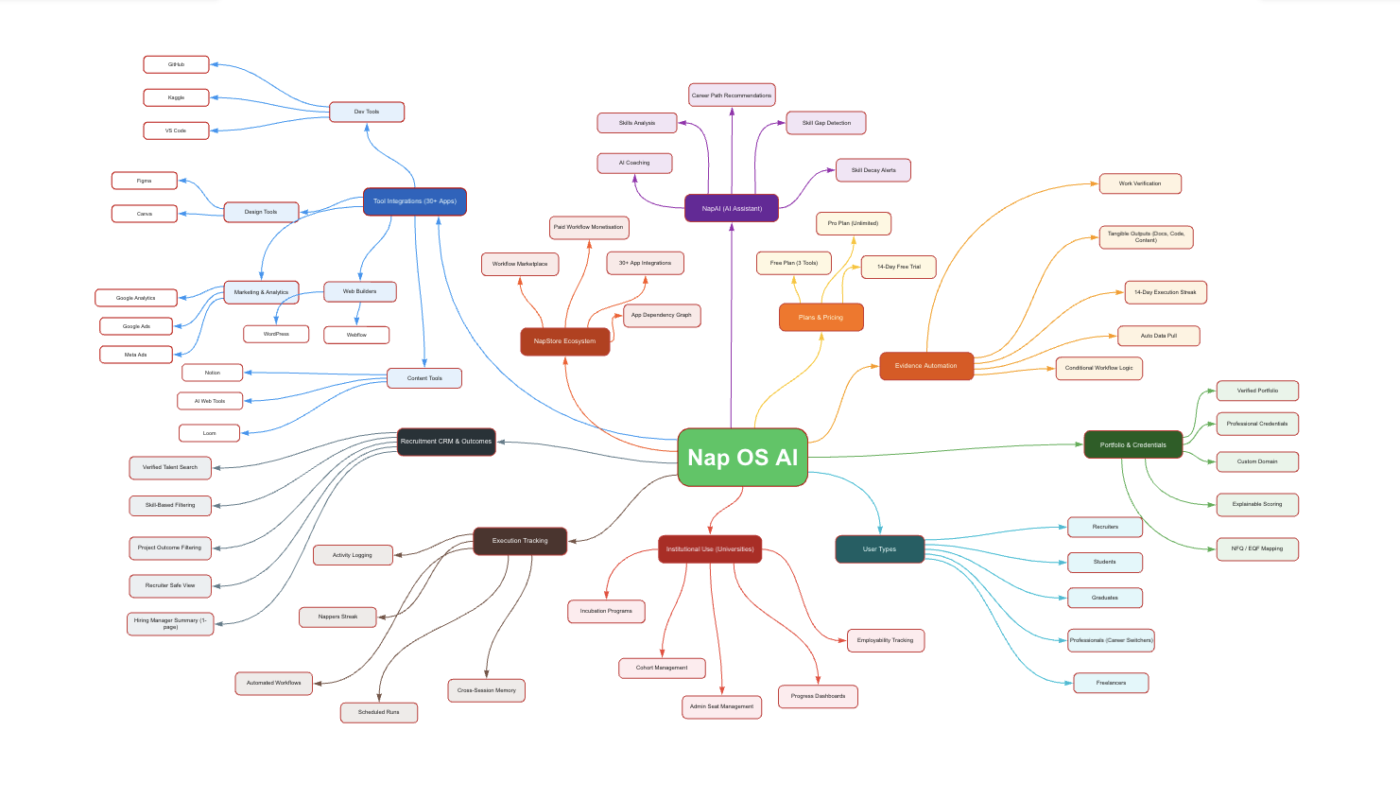
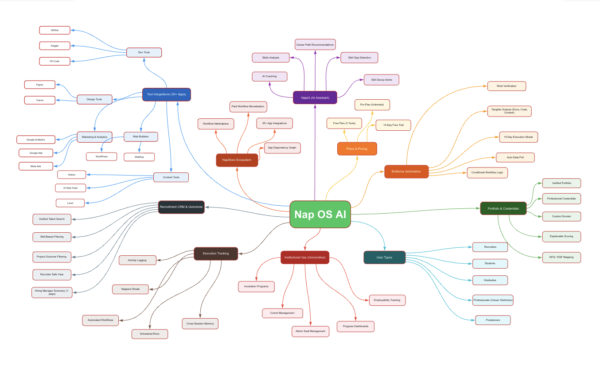
How Nap OS AI Works? -> The Architecture Behind a Highly Autonomous Execution System
most digital platforms have focused on content, credentials, or communication. Napblog Limited approaches the problem from a fundamentally…
How Nap OS – The Career Accelerator Plans to Win the Career Education Market?
Completing the Missing Pieces Instead of Competing Head-to-Head The global career-education market is undergoing a profound transformation. Traditional…
How Model Context Protocol (MCP) Helps European Companies Adopt Lean AI While Preserving GDPR Compliance
Artificial Intelligence adoption across Europe is accelerating, but companies still face a difficult balancing act: how to innovate…
Top 10 Differences Between Homeschooling and Traditional Schooling for Career Building, Success, and Happiness
Education plays a crucial role in shaping a child’s future career, personal fulfillment, and overall happiness. For decades,…
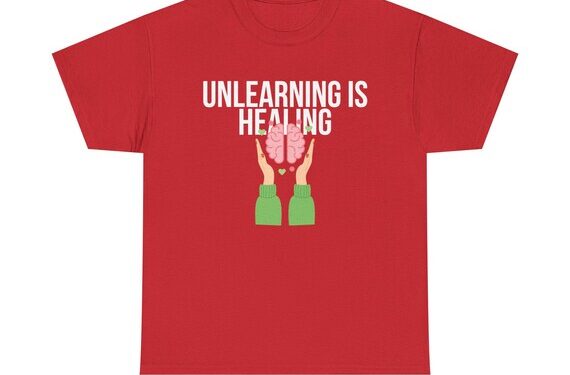
Unlearning is Healthy and Healing – Pugazheanthi Palani
I was taughtmany thingsbefore I even understoodwhat thinking meant. Rules. Beliefs. Fears. Definitionsof successand failure. Some helped me…
Build something real today
Nap OS turns these ideas into executable skills — verified portfolios, AI coaching, and a complete career system.
Try Nap OS Free
Delayed Gratification: The Quiet Power Behind Intuitive Intelligence
Delayed gratification is the ability to resist immediate pleasure in order to gain something greater in the future.…
Nap OS — The Career Accelerator Partner
Across Europe and globally, the career landscape is changing faster than traditional education systems can adapt. Degrees alone…
AI Europe OS: Misunderstandings of the AI Regulation Scheme and How the EU Resolved Them for Startups in 2026
In Europe, this effort resulted in the groundbreaking EU Artificial Intelligence Act, the world’s first comprehensive regulatory framework…
Deep Memory Paralysis: Understanding the Hidden Trap of Overthinking in Intuition Psychology
Human intelligence is often celebrated for its ability to analyze, reflect, and learn from past experiences. Memory allows…
Why the Evolving Hiring Landscape Makes Execution-Based Talent Proof More Important Than Ever?
The recruitment landscape is undergoing a fundamental shift. Recent industry observations, including findings from hiring trend reports in…
Every category maps to a
Nap OS app.
Content is organised around the tools you use. Click to explore articles or open the app directly.
Blog
NapNotesThoughts on building in public, product development, career systems, and the future of human-AI collaboration.
151 articlesNapOS
Portfolio EngineInsights, updates, and deep dives into the Nap OS platform â the career execution operating system…
86 articlesAIEOS - AI Europe OS
NapAIHow AI Europe OS helps startups and SMBs navigate EU regulation, compliance, and infrastructure to build…
77 articlesOut of Box Thinking
60 articlesHOS - Homeschooling OS
DashboardBuilding the operating system for homeschooling families â curriculum tracking, skill verification, and personalized learning paths.
55 articlesSIOS - Students Ireland OS
NapCertsResources, guides, and stories for students in Ireland navigating education, employment, and career development through technology.
43 articlesIPOS - Intuition Psychology OS
25 articlesPugazheanthi Palani
4 articlesStop reading about careers.
Start executing one.
Every article here was written from inside the system. Now it's your turn to use it.