
Noodling for Ideas: How Hand Fishing Inspires Napblog’s Marketing + Coworking Philosophy
When most people hear about hand fishing (or noodling as it’s called in the American South), they picture…

How Reflections Help in Marketing Innovative Exploration?
How Reflections Help in Marketing Innovative Exploration? By Pugazheanthi Palani, Founder & CEO of Napblog Opening: The Power…

Listening Like Humans: Napblog’s Conversational Pods That Redefine Marketing Campaigns
Listening Like Humans: Napblog’s Conversational Pods That Redefine Marketing Campaigns “Do my campaigns sound human enough?” Because let’s…
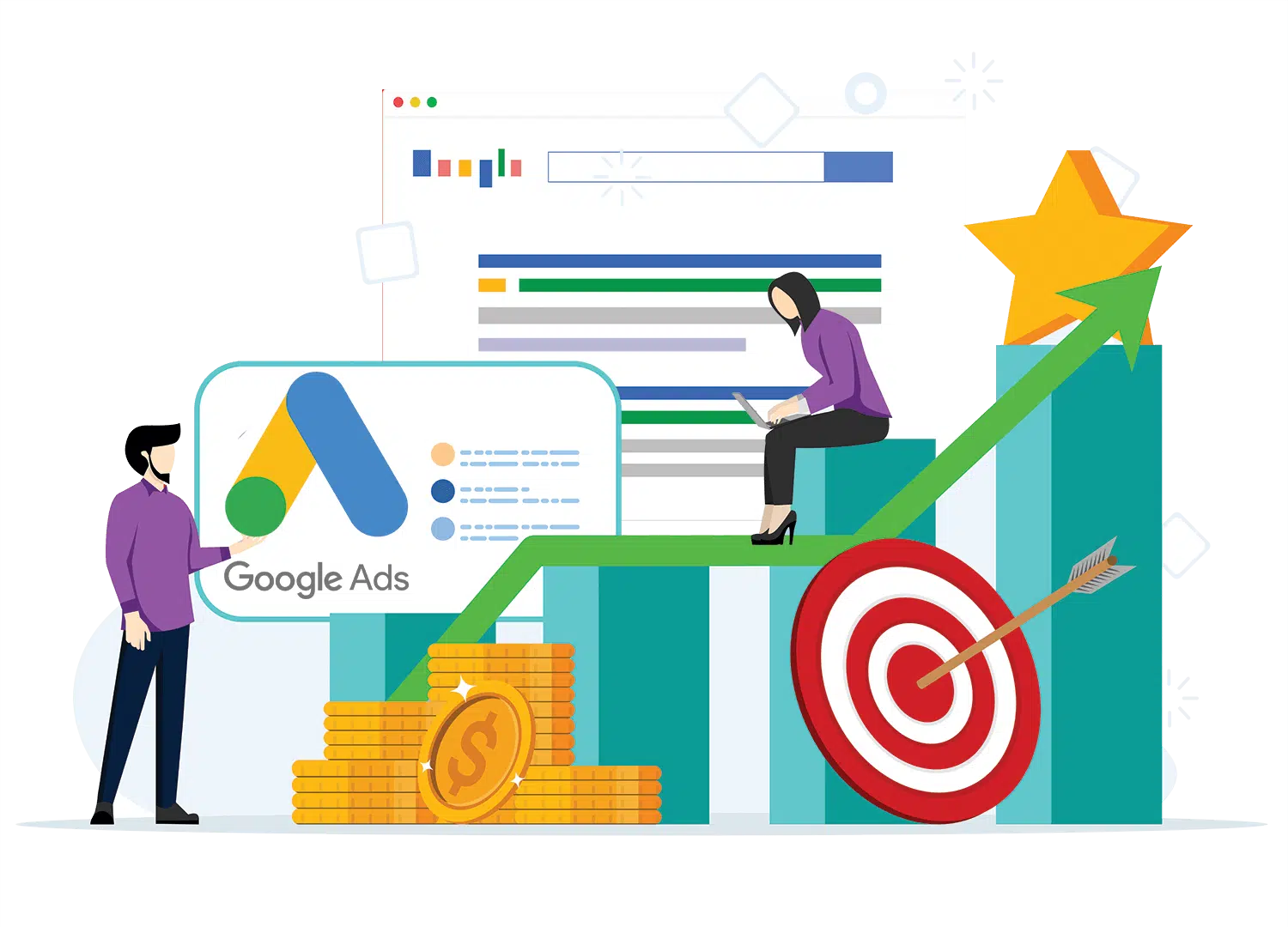
Napblog Google Ads Management Services: Turning Clicks into Customers, Stories into Success
Napblog Google Ads Management Services: Turning Clicks into Customers, Stories into Success Your help with Google Ads has…

🌙 Night Owl Marketers: The Power of Silence in a Noisy World
🌙 Night Owl Marketers: The Power of Silence in a Noisy World We’ve all done it. Scrolling past…
Alphanumeric Marketing: How Mixing Letters + Numbers in Captions & Ad Copy Can Maximize Distribution
Alphanumeric Marketing: How Mixing Letters + Numbers in Captions & Ad Copy Can Maximize Distribution The Hidden Code…

Turn knowledge into execution
These articles come from real experience inside Nap OS. Start building your own verified skills today.
Try Nap OS Free
When Clients Talk, We Listen: A Real Conversation on Google Ads
When Clients Talk, We Listen: A Real Conversation on Google Ads At Napblog, we often say: marketing isn’t…

Flirting and Marketing: More Similar Than You Think
Flirting and Marketing: More Similar Than You Think By Pugazheanthi Palani – Founder & CEO, Napblog 1. Let’s…

The iPhone 17 Marketing Playbook: What Every Brand Can Learn
The iPhone 17 Marketing Playbook: What Every Brand Can Learn 1. Why the iPhone Still Owns the Stage…
More from the Napblog
Blog
Thoughts on building in public, product development, career systems, and the future of human-AI collaboration.
172 articlesNapOS
Insights, updates, and deep dives into the Nap OS platform â the career execution operating system built for students, freelancers, and founders.
107 articlesAIEOS - AI Europe OS
How AI Europe OS helps startups and SMBs navigate EU regulation, compliance, and infrastructure to build responsible AI businesses.
95 articlesOut of Box Thinking
80 articlesHOS - Homeschooling OS
Building the operating system for homeschooling families â curriculum tracking, skill verification, and personalized learning paths.
74 articlesIPOS - Intuition Psychology OS
46 articlesSIOS - Students Ireland OS
Resources, guides, and stories for students in Ireland navigating education, employment, and career development through technology.
43 articlesPugazheanthi Palani
4 articlesFrom reading to doing.
Every insight in this archive was born from real execution. Nap OS is where you make it happen.