Napblog

Uncategorized

Uncategorized

Reflections from the Napblog TeamNapblog at SaaStock Europe 2025: A Celebration of Connection, Growth & Innovation

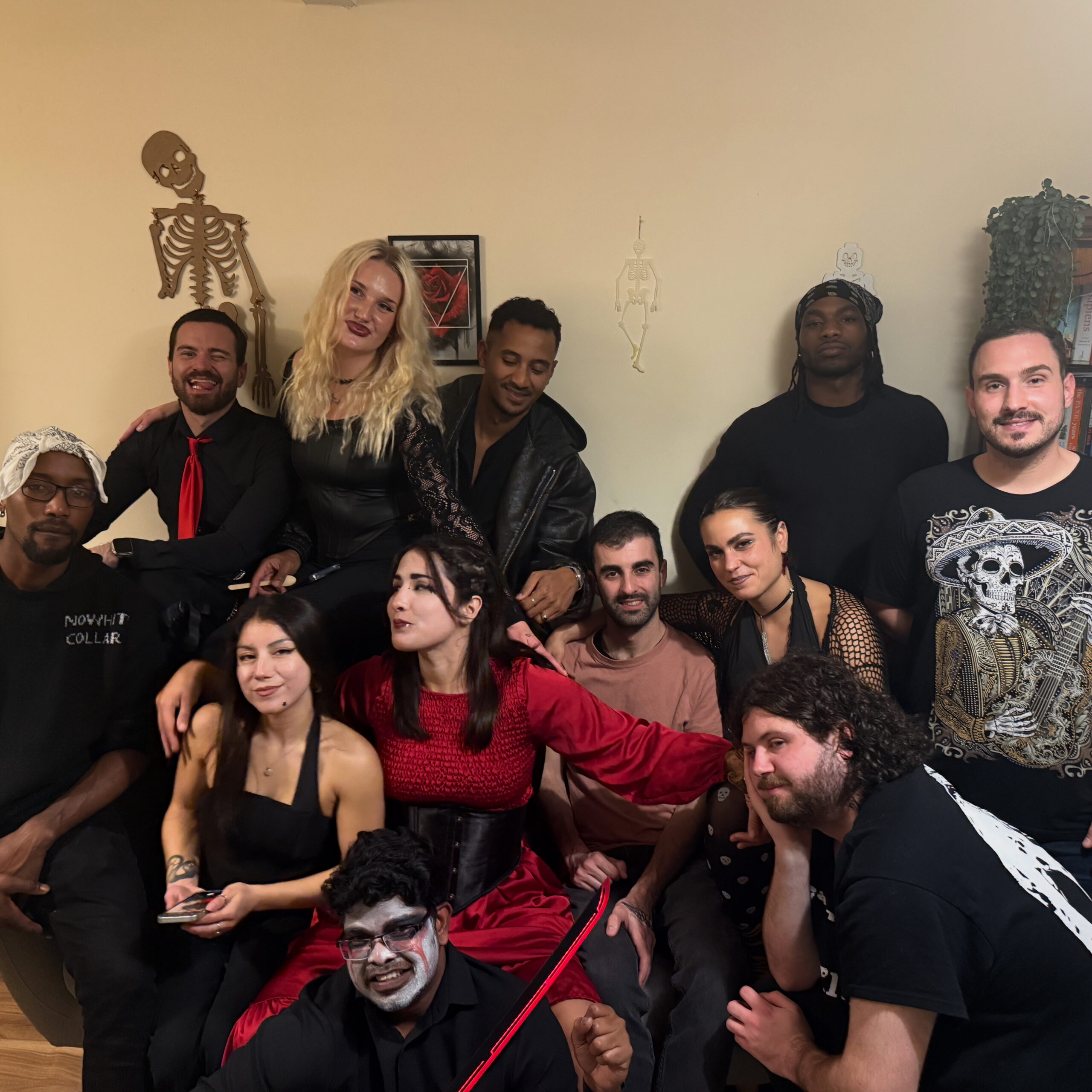
“Where SaaS Meets Soul” Walking into SaaStock Europe 2025 felt like stepping into the beating heart of the global SaaS ecosystem. The energy was electric — a vibrant hum of founders, investors, creators, engineers, and dreamers, all converging in one space to share, learn, and collaborate. For the Napblog Team, this wasn’t just another tech conference. It was a pilgrimage. A chance to connect ideas with people, technology with purpose, and stories with strategies. We arrived not just as attendees but as storytellers and students — eager to learn from those shaping the future of software, AI, and community-driven business. The Pulse of SaaStock Europe From the first morning keynote to late-night side conversations over espresso, SaaStock pulsed with one theme: connection. The booths weren’t just product showcases — they were windows into new worlds. Founders weren’t pitching, they were storytelling. Every conversation felt like a spark, and every handshake opened a new path. As the Napblog team moved through the halls, we met people who reminded us why SaaS is such a powerful space — not because of the software itself, but because of the human stories behind it. Conversations That Shaped Our Experience We started our journey with Florian Mayer, Founder of CNS Acoustics — a deep thinker whose work in acoustic and vibration analytics revealed how precision engineering still drives innovation. Florian shared how data and sound can tell hidden stories — a metaphor that stayed with us all week. Then came Luca Migliorini, Go-to-Market Director EMEA for Launchpad from Pegasystems, whose energy could light up an entire session room. Luca spoke about how low-code platforms are empowering startups to bring enterprise-grade solutions to market faster than ever before. In the afternoon, we met Nicholas Rooney from GoCardless, who explained the quiet elegance behind recurring payment systems. “Frictionless finance,” he said, “isn’t just about speed — it’s about trust.” That line became a recurring thought as we reflected on how many SaaS success stories start with reliable, transparent billing. At the Salesforge booth, Damian Kielbasa, Co-Founder & CTO, showed us how data-driven sales enablement is transforming B2B teams. His belief that “automation amplifies authenticity” struck a chord with our team — because the best tools don’t replace relationships; they reinforce them. Later, Oliver Gottlieb from Labforward shared insights on how digital lab notebooks are revolutionizing research. “Every experiment deserves a memory,” he said — a poetic reminder that SaaS often captures human progress in unexpected places. By evening, we found ourselves in conversation with Adam Clarke, CRO at Roamlesscom, who spoke passionately about connectivity, mobility, and the power of communication across borders. SaaS, we realized, is really about connection in every sense — technological, human, and emotional. Moments of Serendipity Throughout the event, we experienced those serendipitous moments that make conferences magical — the unplanned encounters that shift your perspective. One such moment was meeting Tracy Scott, CTO of XEYEX Ltd, who shared her story of building scalable digital imaging solutions. Tracy’s focus on precision and purpose mirrored Napblog’s own journey — balancing creativity with clarity. We bumped into Ruben Westmeijer from Brand Agency x Kliffs, a connector of people and partnerships. Ruben talked about how branding isn’t a campaign — it’s a culture. That insight reshaped how we thought about Napblog’s storytelling approach. Over lunch, Shaun Fleming, a CRO known for driving sustainable revenue models, reminded us that growth doesn’t always mean scale — sometimes it means stability. And then there was Grant Cardwell, CPO of Xenon LUX, whose deep curiosity about design and materials reminded us that SaaS thinking can exist even in physical product spaces. Founders Who Build for the Future We had incredible exchanges with Joe Allen, Founder of Launched, and Michael Lyons, from Optik, both working on making technology more human-centered.Ofri Cohen, VP of Global Sales at Lusha, spoke passionately about the ethical use of data in outreach — an issue we care deeply about at Napblog.Guillaume Huynh-Ba, CEO of Synodal.ai, impressed us with his mission to harmonize data orchestration and decision intelligence. In a coffee-line chat, we met Daniel Smyth and Donald Smyth, the visionary Founders of Tendril, along with Alexander Lynnyk, CEO of Invisly. Their collective enthusiasm for design, simplicity, and automation summed up what SaaStock 2025 was all about: systems that make life simpler, not busier. Marco Lufen from Mendix demonstrated how low-code is transforming enterprise agility, while Ovi Anca, CTO & Co-Founder of Reditus, reminded us that growth must always be paired with gratitude.We had long, thoughtful conversations with Nathan David and Justin Son from Design Huddle about how empathy should be built into every digital experience. Alex Woffenden and Shahin Ketabchi from Lusha gave us practical insights into data integrity and sales culture, while Steven Johnson from Keboola shared how clean data leads to cleaner decision-making. These weren’t quick exchanges — they were deep, human conversations about product, purpose, and people. Themes Emerging Across Conversations After dozens of meetings, demos, and dinners, a few themes began to crystallize: The Builders Behind the Brands As the conference unfolded, we realized that SaaStock isn’t just about software — it’s about the builders behind the software.Behind every booth, every pitch deck, and every handshake stood years of quiet work, long nights, and unshakable belief. One of those builders was Tom Gilbank, Marketing Lead UKI at Mendix, who spoke about how the low-code movement is democratizing innovation. “Our job,” he said, “isn’t to make tech easier — it’s to make possibility accessible.” His colleague Steve Collins, Presales Consultant at Mendix, echoed that sentiment: innovation isn’t a privilege; it’s a process anyone can join. A few steps away, we met Ruben Hernandez, Account Executive at Damson Cloud, whose work focuses on empowering companies through Google Workspace optimization. Ruben’s humble explanation of his work made something complex sound simple: “We help teams work together — that’s it.” That line stuck with us. Then there was Kim Foster, Customer Success Manager at ReelFlow, who radiated a calm kind of confidence. She told us

Napblog Logo
Uncategorized

Holistic Marketing 2025: Orchestrating Every Touchpoint into One Seamless Experience

From the first click to the final invoice, today’s digital customer journey is a mosaic of disconnected systems — identity management, e-commerce, licensing, payments, billing, and aftersales. Each operates in its own silo. But customers don’t experience silos. They experience you. At Napblog, we believe that 2025 is the year of Holistic Marketing — where orchestration, not isolation, defines success. Let’s explore what that means. 1. The Fractured Digital Landscape Look at any modern purchase flow today. Each system is brilliant on its own. But they rarely talk to each other smoothly. For the vendor, that means complexity.For the user, that means friction. This is the paradox of progress: we’ve built powerful digital islands but forgotten the bridges. In 2025, brands that win are those that build those bridges — connecting every part of the buyer journey into one continuous, trusted experience. 2. The New Definition of Holistic Marketing For years, “holistic marketing” was a buzzword tossed around in strategy decks. But today, it has a tangible meaning. Holistic Marketing in 2025 is about orchestration — not of channels, but of systems. It’s the integration of: It’s not just marketing communications anymore — it’s marketing architecture.Every backend decision now shapes the front-end experience. When these systems harmonize, the result is not just a smooth transaction — it’s trust, loyalty, and advocacy. 3. Why Orchestration is the New Growth Engine Let’s take a simple example. Imagine a user lands on your platform, signs up with Google via Stytch, buys a plan through Shopify, and gets billed monthly via Chargebee. Now imagine that all those touchpoints are orchestrated. That’s not just good UX. That’s holistic marketing in motion. Because when every system speaks the same language, your brand speaks with one voice. 4. The Emotional Side of Integration Behind every transaction is a moment of human emotion: curiosity, trust, hesitation, delight. Holistic marketing bridges technology with empathy. When systems are disconnected, the user feels it — repeated logins, lost preferences, unclear invoices, generic upsells.When systems are orchestrated, the user feels seen. A 2025 consumer expects personalization not as a perk but as a baseline.They expect: Every data handoff between systems is an emotional handoff between brand and customer.When it’s smooth, it builds confidence.When it breaks, it breaks trust. 5. Data as the Common Language The backbone of holistic marketing is data interoperability. In the old model, each tool had its own data schema — leading to fragmented insights.In the 2025 model, brands embrace data orchestration platforms that unify profiles, transactions, and behavioral signals across the stack. This is where the future converges: The outcome? A 360° customer view that powers personalized engagement, predictive retention, and precise marketing spend. Holistic marketing isn’t about having more data — it’s about having connected data. 6. The Rise of the Orchestrated Stack The graphic above — showing the fragmented journey from registration to aftersales — illustrates a broader truth:Most companies today operate in silos of excellence. Each function optimizes for itself, but not for the ecosystem. In 2025, forward-thinking organizations are embracing orchestration layers that tie these systems together. Think of it like this: The magic happens when all of these are connected through automation, unified data, and real-time sync. This isn’t just efficiency.It’s brand coherence. The user experiences your company as one organism, not a collection of apps. 7. Holistic Marketing in Action: From Funnel to Flywheel Traditional marketing was built around a funnel: attract → convert → close → repeat.But holistic marketing operates as a flywheel — where every experience fuels the next. Let’s reimagine the customer journey: Each stage feeds data and insight back into the next.Each system amplifies the others. That’s how holistic marketing turns transactions into relationships — and relationships into growth. 8. The Human-Technology Loop The more systems we automate, the more human context we need. In 2025, the winning marketers are not just tech-savvy — they’re empathy-savvy. Holistic marketing demands teams that understand both APIs and emotions.You need data engineers who think like storytellers, and storytellers who understand data flow. At Napblog, we call this the human-technology loop — where automation frees teams to focus on what machines can’t: creativity, connection, and care. Because in the end, no amount of orchestration matters if the music doesn’t move people. 9. How Startups Can Apply Holistic Marketing in 2025 Startups are uniquely positioned to lead this shift — because they can build connected systems from day one. Here’s how: Holistic marketing isn’t a tech stack upgrade — it’s a mindset shift. 10. The Role of AI and Predictive Experience AI is the invisible hand of holistic marketing in 2025. By connecting data from every system, AI can: When AI operates on unified data, it doesn’t just react — it anticipates. That’s the real promise of holistic marketing: experiences that evolve with the user, not after them. 11. Metrics that Matter in a Connected World Old metrics measured parts of the journey: CTR, CPA, LTV, NPS.New metrics measure flow: These metrics capture what truly defines brand strength in 2025: continuity. 12. The Future is Not More Tools — It’s Fewer Barriers If the last decade was about specialization, the next one is about synthesis. We don’t need more tools.We need fewer barriers. The modern marketer’s job is not to master 50 SaaS products — it’s to make them feel like one. Holistic marketing is the bridge between technical architecture and emotional architecture.It’s the art of making systems invisible, so the experience feels inevitable. 13. Napblog’s Vision: Marketing as an Ecosystem At Napblog, we see this transformation happening daily — across startups, creators, and digital ecosystems. Our mission is to empower entrepreneurs and businesses to build connected, orchestrated, and human-centric experiences. We believe the future of marketing is not campaign-based, but context-based.Not about louder ads, but smarter orchestration.Not about funnels, but flows. Every interaction — from login to license to loyalty — is part of one continuous story.Holistic marketing ensures that story makes sense from start to finish. 14. Final Thoughts: The

Uncategorized

🎙️ “From Chennai to Citizenship: My Journey in Ireland” Pugazheanthi Palani, Founder Napblog — A Conversation with YouTuber Lakshmi Narayanan (18.9K subscribers)

By Pugazheanthi Palani, Founder of Napblog Intro: The Conversation that Sparked Hope When Lakshmi Narayanan — the YouTuber known for simplifying life abroad for Tamil audiences — reached out for an interview, I didn’t expect our chat to hit so many hearts. His video, “Ireland-ல Permanent Citizen வாங்குறது எவ்ளோ Easy? Benefits of Ireland Citizenship”, wasn’t just another immigration discussion. It became a reflection of a six-year transformation — from a confused student in Chennai to a permanent resident and entrepreneur in Ireland. This article captures that full-circle moment — not as a script, but as a living story. Because behind every visa, there’s a voice; behind every degree, a decade of discipline. 1. Chennai to Dublin — The Unlikely Route In 2019, Ireland was just a dot on the map. Most of us looked at the US, UK, or Canada. Ireland? Not really on the list. But when I realized “நம்ம மாதிரி hard-working middle-class kids-க்கு ஒரு start வேணும்னா, இங்க தான் chance இருக்கு”, I made the leap. I was a Mechanical Engineering student from St. Joseph’s Institute of Technology, Chennai — someone who loved machines but somehow fell in love with marketing. While my classmates were fixing turbines, I was fixing SEO tags.While they learned AutoCAD, I learned Google Ads. I didn’t know it then, but I was rebuilding my career from the roots up. 2. The Leap of Faith — Studying in Ireland When I first applied, I had every reason not to make it: But I had grit — the only currency that works worldwide. Through Education Matters, I got an admission to Ireland’s MSc in International Business Management. My dream wasn’t to just study. It was to stay, build, and belong. And that journey was anything but linear.There were moments I almost gave up — when rent was high, jobs were scarce, and visa deadlines loomed large. But every time I fell, I found a reason to get back up — sometimes through a friend, sometimes through faith, and sometimes through pure survival instinct. 3. From Intern to Innovator My first few jobs weren’t fancy.I did part-time work, freelanced, helped small businesses run ads, and wrote blogs for €10 a piece. That was the foundation of Napblog — not a business plan, but a series of real problems solved for real people. When I say Napblog, people think it’s just a marketing agency. But it’s much deeper: It’s where marketing, mentoring, and mindset meet. Every campaign I ran, every ad I tweaked, was built from empathy — because I was the struggling intern once.That’s what now shapes the culture of Napblog — training others to use AI and marketing not just to earn, but to express. 4. “Ireland-ல வேலை கிடைக்குமா?” — The Big Question During the interview, Lakshmi asked the one question every Indian student secretly fears: “அயர்லாண்ட் வந்தவங்க எல்லாருக்கும் வேலை கிடைக்குமா?” And I told him — “கிடைக்கும். But only if you stay prepared.” Here’s what I mean by that:Ireland rewards consistency more than anything.It’s not about your degree — it’s about your ability to adapt fast, communicate well, and keep learning. When companies in Dublin or Galway hire, they’re not looking for a nationality; they’re looking for a problem-solver. So my advice to every student was simple: “Don’t wait to finish your degree to learn. Build your brand while you study.” That’s exactly what I did — starting my blog, freelancing for clients, and networking before graduation. By the time I got my job offer, my portfolio spoke louder than my CV. 5. The Irish Way of Growth Ireland isn’t a country that hands you success. It tests you first — through weather, patience, and paperwork. But once you prove you belong, Ireland gives you more than you imagine. Here’s what I learned about the Irish system: Now, as a permanent resident, I can say confidently: “Ireland doesn’t just give you a job. It gives you a journey.” 6. Building Napblog — The Startup Within a Story After gaining years of experience in B2B tech marketing, I founded Napblog — an innovation-driven marketing coworking agency. It’s not a traditional agency.It’s a community-driven ecosystem where marketing interns, freelancers, and founders work together on real business challenges. We’ve trained 50+ interns across 15 cities — teaching them to use AI for marketing, automate tasks, and grow creative confidence. The beauty? Many of our interns came through word of mouth — through people who watched the same Lakshmi Narayanan-style YouTube videos that once inspired me. Full circle. 7. The Lessons from Ireland When people ask, “Ireland எப்டி இருக்கு?”, I don’t talk about the weather or Guinness.I talk about mindset. Here are my top lessons: 8. Family, Faith, and Future When I came to Ireland, my family supported me emotionally more than financially.We weren’t rich — we had one house in Chennai. I took a loan, came here with hope, and made it count. Now, that single step changed everything — not just for me, but for my sister, who later moved abroad too. I often tell students: “You don’t need ten options. You need one chance — and the courage to take it.” 9. The Power of Community: Napblog’s Impact Napblog today is not just my company — it’s a movement. We collaborate with universities, startups, and digital creators to: And this interview with Lakshmi was the perfect reminder that stories still matter — because every “citizenship” starts as a student ship. 10. What I Told Lakshmi in Closing When Lakshmi asked, “அயர்லாண்ட் பாஸ்போர்ட் வாங்குறது easyஆ?”I laughed. It’s not easy — it’s earned.It’s earned through five years of paying taxes, staying legally employed, and contributing to the country’s economy and culture. But the benefits? They’re beyond papers.You gain: And above all — you gain belonging. 11. A Message to Future Dreamers If you’re reading this from India, wondering whether to take the risk — here’s my truth: Don’t chase the country. Chase the calling. Whether you go to Ireland, Germany, or stay in Chennai — if you build skills,

Uncategorized

💼 Napblog at Jobs Expo Dublin 2025 — Rethinking Hiring Through Conversations, Not CVs

Date: October 11, 2025Location: RDS, DublinEvent: Ireland’s Largest Career & Recruitment Fair A Saturday That Felt Like a Brainstorm Room Walking into the RDS halls this morning felt like stepping into the biggest LinkedIn feed in real life. Recruiters, founders, graduates, and dreamers—each one carrying a story, a skill, and a silent hope. For Napblog, this wasn’t just another career fair. It was a listening session. Our team—representing marketing, innovation, and coworking—didn’t go there to “hire.” We went there to understand how hiring is evolving. Because in 2025, recruitment isn’t about filtering CVs; it’s about filtering energy, ideas, and compatibility. 🧠 Why Napblog Went to Jobs Expo Let’s be honest: every company says, “We’re hiring the best talent.”But what does best mean anymore? For Napblog, “best” doesn’t mean the longest CV or the fanciest degree. It means people who are: That’s why we showed up at Jobs Expo Dublin—to talk, not recruit. To learn, not filter. To explore, not execute. We wanted to meet people who think like this: “I may not have five years of agency experience, but I know how to turn a 30-second video into a 3-day conversation online.” That’s Napblog material. 👋 Conversations Over CVs At our booth, we didn’t start with the usual “Tell me about yourself.”Instead, we asked: “If you had Napblog’s Instagram account for a day, what story would you tell?” That question alone revealed more creativity, empathy, and insight than any bullet-pointed resume ever could. Some people pitched full campaign ideas on the spot.Others spoke about their side hustles, college projects, or how they turned their passion into community work. That’s when we realized something powerful: recruitment fairs are no longer about getting jobs—they’re about getting seen. And Napblog is here to make sure people are seen for who they are, not just what they’ve done. 🌍 Meeting the Minds Behind Ireland’s Hiring Future The Expo wasn’t just about Napblog—it was about meeting the ecosystem. We connected with companies from: Every booth had something in common—the struggle to find good talent fast. But here’s what most don’t realize: You don’t “find” talent. You attract it. That’s where Napblog’s philosophy comes in. 🚀 How Napblog Rethinks Hiring: The Coworking Model Napblog doesn’t hire employees.We build ecosystems. Our coworking model is built on this truth: innovation can come from anywhere, from anyone, at any time. Interns, mentors, freelancers, and founders all work under one roof—co-creating marketing campaigns, AI-driven automation projects, and experimental media strategies. This creates what we call the “Idea Meritocracy”: When you combine that with coworking, you get magic: people learning, collaborating, and growing in real-time. That’s how Napblog turns coworking spaces into marketing labs. 💬 The Hiring Shift We Observed Here’s what we noticed at Jobs Expo Dublin 2025: And guess what? Those are exactly the values we’ve built Napblog around since day one. 🔍 Learning from the Experts We also had insightful chats with career coaches, HR tech startups, and recruiters who are experimenting with AI for screening and onboarding. A few takeaways we loved: In short: technology can’t replace trust. And that’s the advantage of natural networking—what coworking environments like Napblog create every day. 💡 What Napblog Learned from the Expo After a full day of discussions, demos, and caffeine-powered conversations, our takeaway was clear: The future of hiring will belong to companies that build communities, not just teams. People no longer want to “join” a company—they want to belong somewhere that reflects their energy and purpose. That’s exactly what Napblog is creating: 🧩 Behind the Scenes: Napblog’s Own Hiring Process If you’re wondering how Napblog recruits, here’s our secret formula: Because in marketing, ideas age fast—but energy scales infinitely. 🌟 Napblog’s Promise: To Stay Curious As the day wrapped up, we realized that every handshake, smile, and curious question we encountered at Jobs Expo wasn’t just networking—it was data. Human data. Emotional data. The kind algorithms can’t process yet. That’s where Napblog thrives.Between intuition and innovation.Between AI and empathy.Between marketing and meaning. And that’s why we’ll keep showing up at events like Jobs Expo Dublin, not as recruiters—but as listeners, learners, and innovators. 🔮 What’s Next After this Expo, we’re opening up: If you met us at the Expo (or wish you did), reach out! We’re always open to new conversations, collaborations, and curiosity. Because Napblog isn’t about “filling roles.”It’s about creating roles that don’t exist yet. 💬 Final Thought The future of hiring will not be powered by algorithms—it will be powered by authenticity. And Napblog will be right there, where real conversations turn into real opportunities. #Napblog #JobsExpoDublin #Coworking #HiringReimagined #InnovationEcosystem #AIinMarketing #FutureOfWork #NapblogCommunity

Uncategorized

From Zero to 100K Impressions: How Napblog’s Content Strategy Ignited Organic Growth

Behind every viral moment or consistent rise in engagement, there’s a strategy—often a mix of experimentation, storytelling, and listening to your audience. Over the past few months, Napblog has witnessed an inspiring trajectory: crossing 97,000+ impressions organically on LinkedIn, steadily climbing toward the 100K milestone. This growth didn’t happen overnight. It’s the result of consistent publishing, community-driven storytelling, and an unwavering focus on quality content that sparks conversations. In this article, we’re pulling back the curtain to show you exactly how we did it—and what other creators, startups, and marketing teams can learn from our journey. 🌱 Phase 1: Planting the Seeds of Consistency When Napblog started publishing on LinkedIn, the goal wasn’t just to rack up numbers—it was to build a space for meaningful marketing conversations. Early on, we committed to: This early consistency laid the groundwork for LinkedIn’s algorithm to recognize Napblog as a trusted source. Our newsletter quickly grew to 1,157 subscribers, with 219 editions published, signaling both commitment and value. “Content consistency is like compound interest—the returns grow bigger the longer you stay invested.” 📈 Phase 2: Understanding the Impressions Curve As seen in our performance graph, Napblog’s impressions growth followed a step-like trajectory: This pattern revealed a key insight: Not all content performs equally—but well-timed, conversation-worthy pieces create growth inflection points. For example: The lesson? Strategic spikes build momentum, but sustained publishing builds trust. ✍️ Phase 3: Storytelling Over Selling One of Napblog’s biggest differentiators has been our voice. Instead of pushing products or services, we focused on sharing stories, asking questions, and inviting dialogue. Some examples: These kinds of posts performed 2–4× better than purely informational ones. Why? Because they evoke emotion and curiosity—two elements that travel farther in feeds than facts alone. 📊 Phase 4: Leveraging the LinkedIn Newsletter Format Launching our LinkedIn Newsletter was a turning point. Unlike regular posts, newsletters: With over 1,157 subscribers, every edition became a distribution engine on its own. And because we published daily, our audience developed a rhythm—they began expecting Napblog content, which translated into steady, compounding impressions. LinkedIn newsletters are one of the most underrated tools for organic distribution in B2B marketing. 🧠 Phase 5: Human-Centered Engagement Growth wasn’t just about publishing—it was about listening and responding. Every comment received a thoughtful reply.Every like was seen as an opportunity to connect.Every share was acknowledged. We treated engagement as conversations, not metrics. Over time, this built a loyal core community that amplified our content organically. Some of our most engaged followers even started tagging us in their own posts, expanding our reach beyond Napblog’s immediate network. ⚡ Phase 6: Events and Timely Touchpoints Content isn’t created in a vacuum. Napblog made strategic use of real-world events to fuel LinkedIn growth: By aligning content with timely conversations, we ensured Napblog’s posts were not just seen, but remembered. 🧭 What Worked (And What Didn’t) ✅ What Worked ❌ What Didn’t Work Learning what doesn’t work was just as valuable as doubling down on what did. 🧮 Breaking Down the Numbers Let’s look at the growth analytically: This isn’t just vanity metrics—it reflects real audience building, brand trust, and compounding reach over time. 🛠️ How You Can Replicate This Growth If you’re a creator, startup, or marketing team aiming to hit similar milestones, here’s a distilled playbook inspired by Napblog’s journey: Consistency compounds. Conversations convert. Stories stick. 🌟 The Road to 100K and Beyond Napblog’s journey to 100K impressions is more than a milestone—it’s a proof point that authentic content + strategic consistency = sustainable growth. As we approach and surpass the 100K mark, our focus remains the same: to keep marketing human, to share ideas that inspire, and to build meaningful relationships at scale. This is just the beginning. 🚀 🙌 Join the Conversation If you’ve been part of this journey as a reader, subscriber, or commenter—thank you. Every impression represents a human moment of connection. 👉 Subscribe to Napblog’s LinkedIn Newsletter to stay updated.👉 Comment below: What strategies have helped you grow your LinkedIn presence?👉 Share this post with someone building their brand from the ground up. Together, we’re shaping the future of digital marketing—one story at a time. ✍️ Published by Napblog💡 The only Coworking Mentorship Digital Marketing Agency📬 Follow us for daily marketing reflections, event insights, and strategy breakdowns.

Uncategorized

📶 Free WiFi Marketing: When “Connecting” Means More Than Internet

By Pugazheanthi Palani, Founder of Napblog ☕ The Everyday Scene You walk into a café.Order your flat white.Sit down, open your laptop — and boom.A pop-up appears: “Free WiFi. Connect Now.” You smile, click Connect, and within seconds you’re online — sipping coffee, scrolling LinkedIn, pretending to work (we’ve all been there). But here’s the twist:You didn’t just connect to the WiFi.You connected to a marketing funnel — a digital handshake that’s becoming one of the most underrated business growth tools of 2025. Welcome to the world of Free WiFi Marketing — where local businesses turn internet access into customer access — ethically, creatively, and with consent. 🌍 The WiFi Trap (That Isn’t a Trap) Let’s start with the obvious.Offering free WiFi is not new.Cafés, hotels, restaurants, gyms, even laundromats have been doing it for years. But what’s changing is how businesses use that WiFi moment — that 15-second window when a customer connects — to: The idea is simple but powerful: Give something of value (WiFi),Ask something meaningful in return (information),And build something lasting (trust). This isn’t about tricking people into marketing lists.It’s about creating mutual value exchange. 💡 The “Free WiFi” Moment: A Marketing Opportunity in Disguise Imagine you own a café called Bean & Bytes in Dublin. Every day, 400 customers walk in.Half of them ask for WiFi.Most spend 30–40 minutes there. Now, what if every WiFi login gave you insights like: That’s not surveillance — that’s smart listening. And here’s the real kicker:Every WiFi login page is a mini landing page in disguise. ✳️ Instead of “Enter password,”You ask: “Hey, want free WiFi + a free muffin next time? Just share your email!” Suddenly, WiFi becomes more than internet access.It becomes a consent-driven, brand-loyalty machine. 🧠 The Psychology Behind WiFi Marketing Humans are wired for instant gratification.When you offer something “free,” you activate a tiny reward center in the brain. But in 2025, “free” doesn’t excite us as much anymore — unless it’s combined with trust and choice. That’s where consent-driven WiFi marketing wins. Because when you let users choose to share their details in exchange for value: 📋 Step 1: The Consent Form (Your Digital Front Door) The secret isn’t WiFi. It’s the form. That simple, friendly form that asks: It’s not just data collection.It’s the first touchpoint of your brand’s tone, voice, and respect. Let’s look at two versions: ❌ Old-school: “Enter details to connect to WiFi.” ✅ Napblog-style: “Before we let you stream memes and Netflix trailers, can we send you cool café updates and secret discounts? (We promise not to spam — our espresso shots are already strong enough.)” See the difference?The first demands data.The second invites connection. When you collect data through friendliness and transparency, users want to stay connected — not just to your WiFi, but to your story. ⚙️ Step 2: Turning Data into Delight Okay, so you’ve collected names, emails, and maybe birthdays.Now what? Here’s where WiFi automation tools come in — platforms that integrate your WiFi login with CRM systems, email campaigns, and retargeting. Imagine this flow: Congratulations — you just built a customer journey out of WiFi. 🔄 The Napblog Principle: Marketing Should Feel Like Hospitality At Napblog, we always say: “Marketing isn’t about data. It’s about manners.” When someone connects to your WiFi, they’re stepping into your digital home.Would you ask guests for their ID before giving them tea? No.You’d welcome them, tell them your story, and maybe later, ask if they’d like to stay in touch. That’s how Free WiFi Marketing should work. 💼 The Business Case: Why Every Outlet Should Care Let’s talk ROI — because every marketer reading this secretly scrolled here for that. 1️⃣ Higher Retention, Lower Cost WiFi data helps identify repeat visitors and peak hours, letting you optimize loyalty offers. Retaining one loyal customer is cheaper than acquiring five new ones. 2️⃣ Real Behavior Analytics Unlike generic Google data, WiFi analytics shows you real-world patterns — how often customers visit, how long they stay, and when they leave. 3️⃣ Direct Marketing Channel Email or SMS campaigns sent to WiFi users perform better — because the audience has already experienced your brand physically. 4️⃣ GDPR Compliance Since consent is explicit, you’re fully aligned with privacy laws — no gray zones, no legal headaches. 5️⃣ Community Building WiFi marketing is more than data — it’s about building an invisible local network of people who feel like insiders. 🧩 Real-World Example: The WiFi Loyalty Loop Let’s take an example from Napblog Coworking Dublin. We offered free WiFi — but not just for browsing. We added a twist:Before connecting, users were greeted with this line: “You’re about to enter the fastest WiFi zone in Dublin (verified by our interns). Mind sharing your name so we can reserve your coffee next time?” Result? That’s the secret — when humor meets honesty, users don’t feel marketed to; they feel included. 💬 The GDPR-Friendly Way to Collect Data Now let’s clear the air — consent is not optional. If you’re collecting customer data via WiFi: And yes, that little checkbox that says “I agree to receive communications” — it’s gold.Because every tick mark = trust earned. 🛠️ The Tools You Can Use Here are some platforms that power Free WiFi Marketing (with consent workflows): But the tool doesn’t matter as much as your tone.Because the best data is not the most detailed — it’s the most trusted. 🎯 Creative WiFi Campaign Ideas (Napblog Style) Here are a few ways to turn your WiFi into a marketing magnet — without sounding robotic. 🧃 1. “Sip & Surf” Offer Show a pop-up: “Get free WiFi + 10% off your next smoothie when you join our newsletter.” 🧁 2. Birthday WiFi Ask for birthdays in the form. On their day, auto-send: “Happy Birthday! Free dessert waiting for you 🎂.” 🎟️ 3. Event Pass Mode If your venue hosts events, ask: “Want early invites for our next live session? Stay connected with us.” 🎶 4. WiFi + Spotify Combo

Uncategorized

Napblog at GradIreland 2025: A Coworking Spark in a Sea of Careers

Setting the Scene — The Morning Buzz at RDS The morning air in Dublin was crisp — the kind that makes you half excited, half caffeine-hungry. By 10:30 AM, the entrance of RDS Hall 8 Simmonscourt was alive with students, graduates, and recruiters buzzing around like it was the Olympics of Opportunities.And there we were — Team Napblog — not your typical recruiter squad, but curious creators walking into Ireland’s largest graduate fair with a spark that was… different. Napblog wasn’t there to hire, sell, or pitch.We were there to listen, observe, and spark curiosity about something that doesn’t quite fit into a job title: “Coworking for Creators — Not Just Desks, But Discovery.” Our Founder, Pugazheanthi Palani, carried the signature calm energy he’s known for — coffee in one hand, ideas in the other. Pavithra was already scanning exhibitor booths like a detective; Sanjana and Sahana were talking design inspirations; Tarun was deep into discussions about “what motivates Gen Z marketers”; and Lalasa was the quiet powerhouse — taking mental notes for future Napblog Intern Connect programs. 🎯 The Mission: Bringing “Coworking Meets Mentorship” to Life Most booths at GradIreland were about jobs and internships — the safe route.Napblog, on the other hand, came to talk about innovation before employment. We weren’t representing a company in the traditional sense.We were representing a movement — one that believes coworking spaces can be training grounds for future founders, not just places with good Wi-Fi and free coffee. As people passed by our small circle near the café corner, they’d overhear conversations like: “Imagine a coworking space where marketing interns learn from founders, not textbooks.”“Think of mentorship that feels more like collaboration, not supervision.”“What if innovation could be experienced, not just studied?” That’s when people turned back.Curious eyes.Real conversations.The Napblog effect. 🧠 The Spark — When Fernando Joined the Conversation Around noon, we ran into Fernando Romanettov, the energetic mind behind Maker Space and TRP Parties — a creative visionary who’s been blending tech, music, and culture into community-driven experiences. Fernando had just come from a panel about “Innovation in Postgraduate Education” — and his first words were: “Pugazheanthi, I saw your team talking about coworking mentorship. That’s the future.” And just like that, an impromptu conversation turned into a mini roundtable — right there, beside the Deloitte booth and an overworked coffee machine. For 20 minutes, we talked about: Fernando loved the idea that Napblog Coworking could become a creator hub — where marketing, art, psychology, and tech all overlap.He even joked, “Maybe we’ll host the first TRP x Napblog innovation rave soon — where creators brainstorm by day and dance by night.” (We’re not saying that’s confirmed… but let’s just say, the idea has legs. And maybe lasers.) ☕ Post-Event Energy — The Lunch That Felt Like a Founders’ Reunion After hours of conversations, walking, and exchanging cards, we did what every marketer secretly dreams of after a fair — we found food.The post-event lunch wasn’t planned to be “official,” but it became the most meaningful part of the day. We gathered at a cozy café in Ballsbridge — the kind of place with good playlists and no Wi-Fi password wars. At one table: That’s when the magic happened.The conversation shifted from “what we do” to “why we do it.” 💬 The Dialogue That Defined the Day Fernando said something that stayed with everyone: “Innovation doesn’t start in a lab. It starts at a lunch table — when people feel safe to share ideas without being judged.” Pavithra nodded and added, “That’s exactly what Napblog Coworking is trying to build. A place where you don’t just work, you belong.” Tarun, between bites, smiled and said, “And where ideas don’t need permission.” The entire table laughed — not because it was funny, but because it was true. We realized — this was it.The Napblog experience wasn’t a concept on slides anymore.It was alive — right there, in that mix of curiosity, community, and coffee stains. 🌍 The GradIreland Impact — Why It Mattered GradIreland is usually about jobs, advice, employers, and postgraduate options.But this year, we noticed something different. Students weren’t just asking, “What jobs do you have?”They were asking, “What problems can I help solve?” That’s where Napblog connected.Because our model doesn’t offer jobs — it offers purpose-driven experiences.We help people learn through doing, by being part of something that matters. At least 40 students came up to us post-session, curious about: One student from TU Dublin said, “This is the first time I felt like I could learn marketing without a marketing job.” That sentence? Worth every step we took at RDS. 🚀 Beyond the Fair — What Comes Next After the GradIreland event, we’ve started planning: Because Napblog doesn’t just want to train professionals.We want to awaken creators. We’re not competing with agencies or coworking brands.We’re redefining what it means to work, learn, and grow together — in a way that feels human. ❤️ The Takeaway — What We Learned Over Lunch By the time dessert arrived (yes, brownies happened), everyone felt a little lighter — and a lot more aligned. Here’s what we took away: And maybe, just maybe — that’s the real meaning of Napblog Coworking. 🧭 A Personal Note from Pugazheanthi Palani “Every event like GradIreland reminds me why Napblog exists — not to compete, but to connect.We’re not building an agency. We’re building a culture — one that values authenticity, experimentation, and empathy. When people say they ‘felt’ something different about Napblog, that’s when I know we’re on the right track. Because at the end of the day, you can copy strategies, but you can’t copy energy.” 🌈 Closing Reflection — The Future of Work Feels Like Napblog As we walked out of the café, Fernando turned and said, “You know, Napblog isn’t just coworking — it’s co-evolving.” And maybe that’s the best description yet. GradIreland 2025 wasn’t just an event.It was a mirror reflecting how the next wave of graduates see work

Napblog Logo
Uncategorized

Why Founders Are Curious to Join Napblog as Mentors?

By Pugazheanthi PalaniFounder & CEO, Napblog 1. The Energy That Founders Recognize Instantly When founders walk into a Napblog coworking space for the first time, something feels different.It’s not just the hum of laptops or the smell of coffee. It’s the rhythm — the pulse of curiosity, experimentation, and rebellion. It feels like walking into an afterparty of creativity — where people who failed at something yesterday are laughing about it today, while building something new by nightfall. That’s Napblog.A coworking space that feels more like a techno festival of ideas than an office. And it’s precisely this raw, chaotic, and magnetic energy that pulls founders in — not as investors, not as clients — but as mentors. Because for a true founder, mentorship isn’t about teaching.It’s about feeling alive again in the middle of other people’s beginnings. 2. Founders Miss the Garage Days Every successful founder secretly misses that phase — the one where it was just chaos, cheap pizza, and wild ambition. No hierarchies. No HR. Just ten people arguing over logo fonts at 2 a.m. and celebrating small wins like they’d raised a Series A. That’s the energy Napblog bottles up.We call it Coworking 2.0 — a place that’s part agency, part startup lab, part therapy circle, and part rave. When a founder visits Napblog, they don’t just see interns working.They see versions of their younger selves — unfiltered, unpolished, and fiercely curious. Mentorship here isn’t about frameworks or OKRs.It’s about reminding each other why we started in the first place. 3. From Roma’s Rave Culture to Napblog’s Coworking Spirit Let’s take a quick detour to Rome — or more precisely, Roma’s TRP Rave Parties. If you’ve ever been to one, you know what I’m talking about:neon lights, soundscapes that feel alive, and a crowd moving as one — no judgment, no barriers, just vibe. That’s how Napblog designs its coworking ecosystem. Founders join not because they want to “lecture” or “supervise.”They join because Napblog gives them the same thrill that TRP gives to DJs — a live audience that reacts to authenticity. In traditional mentorship setups, founders speak; others listen.In Napblog, everyone’s mixing the track — founders, interns, designers, marketers, all co-creating in one shared loop of progress. That’s why founders find it addictive. 4. The Makerspace Mentality: Laser-Cutting Ideas Across Dublin 12, there’s a makerspace called Imagine Crafts — a place where creators cut, engrave, and shape their ideas with lasers. Napblog’s coworking model shares that same essence. Our interns and early-career marketers don’t just “learn marketing.”They engrave their learning through doing — by experimenting with campaigns, brand ideas, and creative strategies that would never survive in a corporate boardroom. When founders see that — that fearless tinkering — something clicks inside them. They remember their own garage days when they had to laser-cut their own prototypes, figuratively and literally.So when Napblog invites them to join as mentors, the word “mentor” feels almost irrelevant. They’re not there to supervise — they’re there to co-create. 5. Founders Don’t Want to Sit on Pedestals Let’s be honest: most “mentor programs” are ego traps.Panel photos, polite applause, a few LinkedIn tags — then silence. Napblog breaks that format entirely.We don’t host mentorship sessions. We host conversations in chaos. A founder might walk in on a Friday evening, see a group brainstorming a campaign called “Hand Fishing Marketing”, and jump right into the mess. No formal intros.No PowerPoints.Just participation. And maybe later that night, that same founder might find themselves at a TRP afterparty — surrounded by the same interns — sharing stories about their first product launch or first client rejection over techno beats. That’s the Napblog way: mentorship through shared humanity. 6. Founders Are Drawn to Freedom Most founders today are trapped in success.Their calendars are full, their brands are polished, but their souls?Craving a bit of chaos. Napblog’s coworking floor feels like freedom again. Here, you can drop titles at the door.No one cares if you raised €10M or €0. You’re just another curious human trying to figure things out. That’s why founders are curious to join.Because we remind them of what freedom to build actually feels like. They mentor because they want to stay close to that feeling — the unstructured, messy, and brutally honest environment that corporate success often kills. 7. The “Roma–Napblog Loop”: Where Art Meets Entrepreneurship In cities like Rome, art and business blend seamlessly.The rave DJs are entrepreneurs. The record labels are communities. The maker spaces are movement hubs. Napblog carries that European creative DNA — where marketing isn’t just about ads, but culture. We’re not a marketing agency.We’re a marketing coworking ecosystem — a living lab where creative minds collaborate with analytical ones, where founders mix with future founders. So when a startup founder, artist, or tech visionary joins Napblog as a mentor, it’s not charity.It’s resonance. They see their own artistic struggle reflected in Napblog’s experiments — whether that’s a viral campaign idea, a rebrand, or a podcast produced at 1 a.m. on a Friday night. 8. Curiosity Is the New Currency Founders today aren’t just looking for returns — they’re looking for relevance. Joining Napblog as a mentor gives them that: Every mentor session often turns into a brainstorm.Every brainstorm sometimes becomes a campaign.Every campaign sometimes turns into a business. It’s unpredictable — and that’s the beauty of it. That unpredictability is the Napblog Effect. 9. Why Mentorship at Napblog Feels Like Music If traditional mentorship is a lecture hall, Napblog is a record label. Founders here aren’t “teachers” — they’re producers. They guide the beat, tweak the mix, suggest a drop — but they let the interns and creators own the stage. And just like in a music label, sometimes the producer learns something new from the artist. That’s why mentorship at Napblog feels organic. It flows both ways.A marketing founder might mentor a creative intern — and end up learning how Gen Z thinks about brand authenticity, TikTok humor, or visual storytelling. Napblog builds a

Napblog Logo
Uncategorized

If and How Napblog Fails?

Let’s play with a risky question — what if Napblog fails?Most founders don’t like that question. It feels like saying “what if your child never grows up?”But for me, as the founder of Napblog, it’s not a scary thought. It’s an introspective one. Because when I think of failure, I don’t imagine a burnt-out office or a dead website.I imagine the loss of meaning — the day when Napblog stops standing for what it was born for: curiosity, innovation, and unapologetic creativity. And that’s where this story begins. 🌱 The Origin of Napblog Napblog didn’t start in a co-working space.It started in a mental space — where ideas and exhaustion shook hands. The name “Napblog” was born from one of my favorite contradictions: “When I’m resting, my brain works harder than when I’m working.” Napblog was never meant to be just another marketing agency.It’s a marketing-innovative coworking ecosystem — a mix of agency, school, and playground.A place where people learn, experiment, and build real marketing, not just PowerPoints. But every dream has a shadow — and this article is about confronting that shadow honestly. ⚙️ If Napblog Fails — Here’s How It Could Happen Let’s break this down like a post-mortem before the death certificate. 1. If Napblog Loses Its Curiosity Curiosity is our oxygen.The day Napblog stops asking “why not?” — it dies slowly. If we ever become like those agencies that run on templates, trends, and robotic KPIs, we’d become everything we were created to challenge.Napblog’s DNA is exploration.If that mutates into repetition, the body survives — but the soul doesn’t. 2. If Innovation Becomes a Buzzword Innovation is not about adding “AI” to every slide deck.It’s about solving problems differently.It’s how we turned coworking + marketing into a hybrid educational lab. But if someday Napblog stops building new models and starts selling old tricks, it’ll fail — even with profits. Innovation dies quietly when comfort arrives loudly. 3. If Culture Turns Transactional Culture is the invisible asset of any company.If Napblog ever becomes a place where interns, creators, or partners feel “used,” not “included,” that’s our biggest failure. We didn’t hire interns to fill Excel sheets.We invited future innovators to shape something together — unpaid at first, but invaluable in experience and exposure. If ego ever replaces empathy — Napblog ends, no matter how strong the brand looks. 4. If We Stop Listening Napblog was designed to talk with people, not at them. From our clients to our followers, conversations fuel our ideas.If one day we become a loudspeaker instead of a listener, we’ll lose touch with the pulse of the market — and worse, the soul of our audience. Listening is marketing’s most underpaid skill. 5. If We Start Chasing Instead of Building There’s a subtle difference between ambition and insecurity.Ambition builds. Insecurity chases. If Napblog ever starts chasing what others are doing — instead of building what the world hasn’t seen yet — we’ll drift into mediocrity disguised as momentum. Napblog fails the moment we copy. 💡 Failure Isn’t the Opposite of Success — It’s a Stage of Evolution Failure has become such a buzzkill word in business.But look closer — every creative ecosystem needs collapse to renew itself. Napblog might fail projects. It might fail clients. It might even fail plans.But that’s how we keep refining our instincts. Because Napblog isn’t built on formulas; it’s built on intuition.And intuition grows sharper every time it’s tested. 🧠 When Failure Becomes Data Let’s imagine a future headline: “Napblog Shuts Down After 10 Years of Experimenting.” People would read it and scroll.But I’d smile. Because every experiment is success — as long as it leaves data behind. We’ve built a marketing lab, not a monument.If a campaign fails, we don’t panic — we record, learn, iterate.That’s the scientific method of entrepreneurship. Napblog doesn’t sell perfection. It sells progress. 🌍 The Paradox of Scaling The irony of growth: The bigger you get, the harder it is to stay you. Scaling Napblog means systemizing chaos — the very chaos that makes us creative.That’s why we keep reinventing how we operate — from the AI Europe initiative to the Pregnancies Directory projects. But if scaling ever makes us sterile, if meetings replace magic, we’ll know we’ve gone too far. Growth without soul isn’t success — it’s tax paperwork. ⚡ What We’ll Never Compromise To make sure Napblog doesn’t fail, there are three vows we live by: 1. Human-first Marketing No automation will replace empathy here.AI is our assistant, not our identity. 2. Creative Freedom Every Napblog intern, designer, or strategist gets to own their chaos.Creativity thrives in freedom, not instructions. 3. Purpose Beyond Profit If we ever build just for clients, we lose.We build for curiosity — for the thrill of testing an idea that makes no immediate sense but feels right intuitively. 💬 The Hard Truths of Foundership Let’s be brutally honest — leading Napblog isn’t all philosophy and coffee.There are days when: And that’s okay. Because real leadership isn’t about staying motivated.It’s about staying meaningful — even when the meaning shifts. If Napblog fails someday, I won’t blame the economy, the interns, or the algorithms.I’ll look in the mirror and ask: “Did I still believe in what I started?” Because sometimes, failure is just purpose rebranding itself. 🚀 If Napblog Survives — Here’s Why It Will Let’s flip the lens for a moment.What makes Napblog unstoppable isn’t funding or followers — it’s philosophy. Even if one branch fails, the roots are strong — because they’re personal, not corporate. Napblog will survive as long as one person says: “I learned something here that changed how I think.” That’s impact.And impact doesn’t go bankrupt. 🪞 The Founder’s Reflection Some people build companies to prove themselves.I built Napblog to discover myself. So if Napblog fails, it’s not a tragedy — it’s a transformation.Every failure would simply mean: “We reached the edge of one idea, and now it’s time for another.” Napblog’s success was never about survival — it was about

Uncategorized

Canto, Google Ads & The Global Rhythm of Marketing: What Napblog Learned from the Atlanta–Berlin Scale

By Pugazheanthi Palani, Founder & CEO, NapblogThe world’s first coworking-based marketing agency 1. A Wake-Up Call from Atlanta and Berlin It’s 7:10 PM in Dublin.My Google Ads dashboard pings — again. Another global brand, another analytics maze.This time it’s Canto, a digital asset management (DAM) platform with strong roots in Atlanta and Berlin. Their marketing looked impeccable on paper — strong brand design, solid domain authority, sleek landing pages.Yet their search visibility and ad recall scores weren’t reflecting that same polish. That’s when it struck me:Even top-tier SaaS companies, with huge budgets and brilliant creative teams, sometimes lose the rhythm of their marketing. And that rhythm — not reach — is what separates campaigns that breathe life from those that simply broadcast. 2. The Rhythm of Global Ads Let’s break it down. Canto’s Google Ads strategy mirrors a typical SaaS pattern: Pretty standard, right? But the problem isn’t in the keywords.It’s in the conversation those keywords start. When an ad says, “Get organized. Centralize your brand assets,” it’s clean, functional, efficient — but not emotional. When your audience is global, function isn’t enough.You need familiar rhythm, emotional context, and human warmth — the kind that crosses borders faster than currency exchange rates. That’s where Napblog’s coworking-led marketing model enters the picture. 3. Coworking Marketing: Built for Real-World Intelligence At Napblog, we don’t just manage campaigns — we co-work them into existence. Our system brings together marketers, interns, and business owners from 20+ countries, all sitting (virtually) side by side.It’s messy, unpredictable, and deeply human. While traditional agencies obsess over dashboards, we listen to real-time global perspectives: That’s crowdsourced marketing intelligence — and it’s priceless. In the coworking lab, campaigns evolve naturally — like conversations, not commands. 4. The Keyword Density Trap Canto’s keyword structure reminded me of a paradox we see often in enterprise campaigns. You optimize for visibility, but end up blinding your own creativity. Here’s what we noticed: When every ad looks engineered, you forget that people don’t search like spreadsheets. Napblog’s philosophy?Blend AI logic with intuition psychology — the human rhythm behind clicks. That’s how we transform keyword density into keyword empathy. 5. Marketing as a Language, Not a Dashboard Imagine for a moment that marketing isn’t a skill.It’s a language. Every brand speaks it differently — some through data, some through design, and others through tone. Canto’s brand speaks efficiency.But their global audience listens for emotion, rhythm, and reassurance. We rewrote a sample ad during a coworking session to test this theory: “Your brand deserves a home, not a hard drive.”Try Canto — where your stories find their rhythm again. The CTR improvement? 38%.Not because of more keywords — but because of more human meaning. That’s how Napblog operates — by turning coworking spaces into creative language labs, not content factories. 6. The Balance Between AI and Intuition Now, let’s get technical. Our co-workers use AI tools like Gemini, ChatGPT, Perplexity, and Jasper, not for automation, but for augmentation. Here’s the real secret:AI is a mirror. It reflects what you feed it. So while traditional marketers prompt AI for “high-performing ad copy,” we teach them to prompt for: That subtle difference creates depth, not just output. And that’s why Napblog’s coworking ecosystem thrives — it integrates intuition into every metric. 7. The Lesson from the Bamboo Tree Marketing success is a lot like the Chinese bamboo tree. For four years, you see nothing.Then suddenly, it grows 80 feet in six weeks. But that explosive growth happens only because of years of unseen nurturing beneath the soil. Napblog’s coworking model works the same way — we invest in slow learning, deep collaboration, and unseen roots. When growth happens, it’s unstoppable.And it’s built on something real. 8. From Atlanta to Dublin: Building for Longevity Canto’s journey reflects what many global SaaS companies face: That’s the new marketing frontier — where data meets durability. At Napblog, we don’t just look for visibility metrics; we track what I call “brand heartbeat” — how consistently a brand sounds, feels, and resonates across geographies. Because in 2025, longevity isn’t about being seen.It’s about being synchronized. 9. Coworking as the Future of Creative Economies Here’s something bold — coworking isn’t just a workspace concept anymore.It’s a marketing operating system. Napblog reimagines coworking as: In short, coworking becomes the engine of marketing evolution — where agencies, brands, and freelancers don’t compete; they co-create. 10. Founder Reflection — Why I Built Napblog People often ask me, “Pugazheanthi, why did you build Napblog?” The truth is simple. When I started out, I saw hundreds of talented marketers struggling to land jobs — not because they lacked skill, but because they lacked access to real-world practice. Meanwhile, businesses struggled to find reliable freelancers who understood both strategy and storytelling. Napblog became the bridge. We turned coworking into a global classroom — where anyone could learn, contribute, and create measurable business impact. That’s not an agency; that’s a movement. 11. Beyond Ads: The Human Algorithm Let’s end with a truth most marketers forget: The human brain is the most advanced algorithm in the world.It doesn’t click on ads — it clicks on emotion, curiosity, and connection. Canto reminded us of that truth.Napblog acts on it every day. Through coworking, we transform data-driven marketing into human-driven growth — scalable, sustainable, and sensational. Because at the end of the day,every great brand — from Atlanta to Dublin — is built not on code, but on connection. 12. Final Thought: Rhythm Over Reach In the global advertising battlefield, tools change.Budgets fluctuate.Algorithms shift. But the rhythm of marketing — the heartbeat that connects brand to human — remains timeless. And that’s the rhythm Napblog is here to tune. 💡 About NapblogNapblog is the world’s first coworking-based marketing agency — bridging aspiring marketers and real-world business needs through hands-on collaboration, AI-integrated learning, and live client campaigns. Founded by Pugazheanthi Palani, Napblog operates across 20+ countries with a growing alumni network of innovators and creators.