Napblog

Uncategorized

Why NapblogOS? When Infinite solutions already exist in the world.
Uncategorized

Why NapblogOS? When Infinite solutions already exist in the world.

Universities produce millions of graduates every year. Online learning platforms issue certificates at scale. Internships, hackathons, and capstone projects attempt to bridge theory and practice. So a fair question arises: Why does NapblogOS exist in the first place? The answer is not that students lack education.The answer is that students lack validated confidence. The Silent Gap Between Education and Reality A student can graduate with a Bachelor’s, Master’s, or even a PhD.They can score well in exams, submit assignments on time, and complete academic projects aligned with syllabi. Yet, when they step into the real world—into freelance marketplaces, job interviews, startups, or early-stage companies—they encounter a quiet but brutal truth: The market does not hire degrees. The market hires evidence. This is the moment where confidence collapses. Students begin to question themselves: This uncertainty exists regardless of nationality.It affects local students and international students alike, especially those studying abroad who carry additional pressure—financial, emotional, and cultural. NapblogOS was born precisely in this gap. The Problem NapblogOS Was Designed to Solve NapblogOS does not exist to replace universities.It does not exist to issue another certificate.It does not exist to teach theory already covered in classrooms. NapblogOS exists to solve one core problem: Students graduate without proof that they can perform in the real world. Academic environments are designed to assess knowledge acquisition.The real world is designed to assess outcome delivery. Between these two systems, students are left alone to figure things out—often after graduation, when the stakes are higher and the margin for error is smaller. NapblogOS intervenes before graduation. From Academic Exposure to Market Exposure In college, exposure looks like: In the real world, exposure looks like: NapblogOS transitions students from academic exposure to market exposure, while they are still students. This distinction is critical. Students are no longer protected by the phrase: “This is just an assignment.” Instead, they begin operating under: “This outcome will be evaluated by reality itself.” Why Confidence Cannot Be Taught — Only Earned Confidence does not come from motivation.It does not come from inspirational talks.It does not come from certificates framed on a wall. Confidence is earned when a student: NapblogOS creates systems where confidence is earned systematically, not emotionally. This is why NapblogOS is structured around: What Makes NapblogOS Different from “Experience” Programs Many platforms promise “real-world experience.”Most of them fail in one of three ways: NapblogOS solves all three. It provides: Not just experience—but experience that can be proven. The Role of a Private Incubation Layer Napblog is not a university.Napblog is not an employer.Napblog operates as a private incubation and validation layer between education and the market. This layer is critical because: NapblogOS sits in the middle and absorbs that risk. Students are allowed to: All within a system that documents everything. By the time a student graduates, their portfolio does not say: “I studied marketing / data / analytics.” It says: “Here is what I built. Here is what happened. Here is the proof.” What Students Feel After Their First Real Outcome There is a moment every NapblogOS student remembers. It is not graduation day.It is not the day they received grades.It is not the day they updated LinkedIn. It is the moment they realize: “I can do this.” That realization comes when: Fear begins to dissolve.Imposter syndrome weakens.Decision-making becomes sharper. Students stop asking: “Am I good enough?” They start asking: “What should I build next?” Local and International Students: Different Paths, Same Outcome For local students, NapblogOS creates an advantage.For international students, it creates survival confidence. Studying abroad often means: NapblogOS allows international students to graduate with: When a student can explain outcomes clearly, borders matter less. Degrees vs. Accredited Portfolios Degrees represent potential.Portfolios represent performance. The future does not eliminate degrees—but it repositions them. In the coming decade: NapblogOS ensures students walk through those doors prepared. Not hopeful.Not anxious.Prepared. Why NapblogOS Exists — In One Sentence NapblogOS exists so that no student graduates unsure of their real-world ability. It exists to compress years of uncertainty into structured, guided execution.It exists to replace fear with evidence.It exists to ensure students do not meet reality for the first time after graduation. A Final Thought to Students Reading This If you are a student today, ask yourself: If the answer is no, that is not a failure. It is simply the problem NapblogOS was built to solve. NapblogOS is not a shortcut.It is a bridge. From academia to reality.From uncertainty to confidence.From learning to earning. And that is why it exists.

Napblog DJ Stress Theme
Uncategorized

DJ Nights, Techno Vibrations & The Napblog Way of Marketing R&D

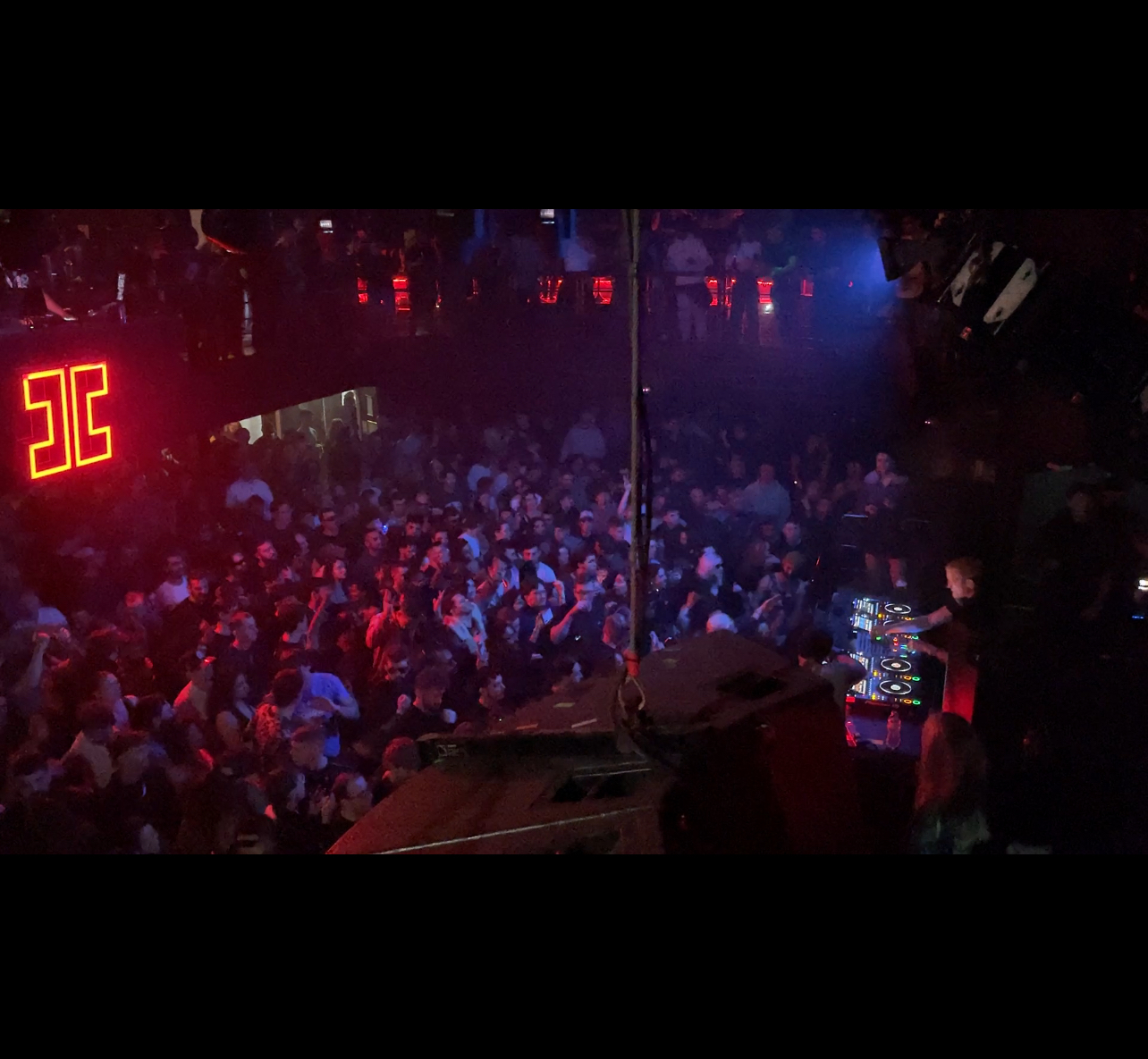
How a Dancing Crowd Teaches Us More About Marketing Than Any Textbook Ever Could (Explained so simply even a 5-year-old would understand) INTRODUCTION: THE NIGHT WHEN MARKETING STARTED TO DANCE Imagine a room full of people.Lights blinking.The air buzzing.The DJ is playing techno music so loud that even your shoes feel it… boom-boom-boom.Everyone is moving, smiling, glowing like tiny stars dancing together. Now imagine Napblog standing in the middle of that crowd, watching, listening, learning. Because for Napblog, a DJ night is not just about music.It’s a live laboratory, a breathing test chamber, a real-time R&D center where human behaviour shows its true colours: This is exactly how Napblog sees marketing:Not boring.Not robotic.Not button-pushing.But emotional, rhythmic, human, and alive. Marketing is a dance.And Napblog is the DJ who plays the track. SECTION 1 — THE CROWD IS THE MARKET: SIMPLE ENOUGH FOR A 5-YEAR-OLD Let’s imagine you’re a 5-year-old in that room. You look around and say: “Why is everyone moving like jellyfish?” Because the music is telling their bodies what to do.It’s giving them feelings.It’s sending vibrations into their hearts, their feet, their brain waves. That’s exactly what good marketing does. Marketing is not shouting.Marketing is not “BUY BUY BUY.”Marketing is not forcing.Marketing is not tricking. Marketing is like music.When it’s good, people move without being told. When it’s great, people feel they discovered something on their own. When it’s legendary, people remember it forever. Napblog wants marketing to feel like techno energy:A vibrationA pulseA beatA momentA connection. Something you don’t just see.You feel it in your chest. **SECTION 2 — THE DJ = THE BRAND THE CROWD = THE CUSTOMERSTHE MUSIC = THE MESSAGE** Picture the DJ in the image: confident, calm, in control. They know exactly when to: This is how a brand should behave. A brand is not a logo.A brand is not a tagline.A brand is not a colour palette. A brand is a DJ. It controls: The customers are the crowd. If the music is bad, they leave.If the music is boring, they talk.If the music is repetitive, they fade out. But if the music is unique—If it makes them feel special—If it speaks to their soul— They stay.They dance.They become loyal.They tell their friends.They come back next weekend. Marketing is not about “pushing messages.”It’s about conducting experiences. SECTION 3 — HOW NAPBLOG DOES MARKETING R&D LIKE A DJ Napblog doesn’t just write blogs.Napblog doesn’t just publish articles.Napblog doesn’t just analyse competitors (even though they pop up every single day around Napblog ads). Napblog observes human behaviour, just like a DJ observes the dancefloor. 1. We watch how people “move” online Scrolling = small dance steps.Clicks = bigger dance moves.Comments = claps.Shares = jumping to the rhythm.Conversions = throwing hands in the air. Every movement tells a story. 2. We create new rhythms (campaigns) Some beats are slow: educational content.Some beats are strong: bold marketing insights.Some beats are emotional: founder thoughts.Some beats are experimental: competitor analysis.Some beats are spiritual: consciousness, awareness, human connection. 3. We test what makes people vibrate Which headline made them smile?Which topic made them stop scrolling?Which idea made them think?Which story made them feel seen?Which article made them whisper “wow”? Napblog’s R&D is not sitting behind a desk.It’s dancing with the real world. SECTION 4 — HOW TECHNO MUSIC TEACHES US ABOUT MODERN MARKETING Techno looks simple.Boom. Boom. Boom.Repeat. But it’s not.It’s layers.It’s timing.It’s tension.It’s emotion.It’s storytelling without words. Just like the best marketing campaigns. A techno track = a marketing campaign IntroSlow, soft, building curiosity.Like a hook. Build-upEnergy rises.Like brand trust. DropBOOM!The magical moment customers say “YES.” AfterglowPeople remember how it felt.Brand loyalty. Techno teaches us the most important rule: Emotion first. Logic later. People dance before they understand why.People click before they read the whole thing.People buy before they analyse everything. Marketing must speak to the body first, mind second. SECTION 5 — NAPBLOG’S BIG SECRET: MARKETING IS A VIBRATION People don’t act because of marketing.They act because of feeling. And feelings come from vibrations. A beat.A colour.A tone.A word.A sentence.A story.A silence.A breath. Napblog’s goal is not to “make content.”Napblog’s goal is to make vibrations. Vibrations that: Marketing shouldn’t exhaust people.Marketing should heal, excite, connect, elevate. That’s the Napblog R&D mission. Every article is a new beat.Every competitor story is a new frequency.Every Napblog insight is a new rhythm.Every day is a new dancefloor to study. SECTION 6 — A 5-YEAR-OLD EXPLAINING NAPBLOG’S MARKETING MAGIC Picture a 5-year-old holding your hand saying: “Napblog is like music!It makes people happy!It helps people move!It teaches people to be nice to each other!It makes friends!It makes ideas dance!” And honestly… that is the purest definition of marketing R&D. Because marketing is not complicated.Adults just make it complicated. Marketing is simply: Helping people feel something good. And Napblog’s entire DNA is built around this child-like truth: Marketing is not war.Marketing is not manipulation.Marketing is not noise. Marketing is the art of making people feel safe enough to dance. CONCLUSION — WHEN THE CROWD DANCES, THE BRAND WINS Look again at the image:A sea of people.Different faces.Different dreams.Different worries.But for that moment… they are one. That’s what Napblog wants for marketing: Unity.Energy.Connection.Awareness.Emotional truth.Creative vibrations. The future of marketing is not louder ads.It’s not bigger budgets.It’s not more competitors bidding on Napblog keywords. The future is human vibration engineering. Where every campaign is a melody.Every article is a rhythm.Every insight is a bassline.Every connection is a chorus.Every moment is a dance. Napblog is the DJ.The world is the dancefloor.And the music is only getting started.

London Has a New Player: Rocket SaaS — And Here’s How Napblog Interns Explain It to a Los Angeles FinTech Founder Launching in Q2
Uncategorized

London Has a New Player: Rocket SaaS — And Here’s How Napblog Interns Explain It to a Los Angeles FinTech Founder Launching in Q2

By Napblog — The Only Coworking Digital Marketing Agency Scene: Los Angeles — A bright tech office, Q1 planning mode. A FinTech founder is preparing a Q2 launch. A young Napblog Intern joins the Zoom call. The founder has just Googled “Napblog automation services”… and discovers Rocket SaaS rank on top as a competitor. The conversation begins. 🤝 Founder: “Before we dive into our Q2 launch strategy… I saw a London agency called Rocket SaaS coming up when I searched Napblog. Who are they? Are they similar?” 💻 Napblog Intern: “That’s a great observation. Yes — Rocket SaaS is a 2021-born London-based B2B SaaS marketing agency. They specialise in: They basically position themselves as a plug-in marketing department for SaaS companies with limited in-house resources.” 🤔 Founder: “So they’re kinda like ‘outsourced marketing teams’? Sounds cool. Why are they popping up on my Napblog search?” 🌐 Napblog Intern: “Because Napblog has been indexed tightly with automation + SaaS growth + startup workflows, and Rocket SaaS ranks heavily for similar intent keywords — especially B2B SaaS, Google Ads, PPC, demand generation, website design, marketing department replacement. Google places competitors next to brands with similar search intent. That’s why you see them above Napblog in sponsored results.” 🤝 Founder: “Interesting. Okay, before we go into competition analysis… let’s go back to my Q2 FinTech launch. I want everything ready: Google Ads, Email Marketing, Social Media, Landing Pages. Full stack.” 💬 Napblog Intern: “Exactly. And this is why I wanted to show you Rocket SaaS — not because they replace us, but to highlight what global SaaS agencies deliver so you know what Napblog will outperform.” 🚀 PART 1 — What Rocket SaaS Does (Competitor Breakdown) 1. They brand themselves as a “marketing department you can hire.” You don’t hire freelancers — you get a ready-made team. 2. Their focus is B2B SaaS ONLY. Which is niche, but predictable. 3. Rolling monthly, cancel anytime. Low-risk retainer model. 4. They showcase big wins: Such as: 5. They work with every major SaaS tech stack: Meta, HubSpot, Salesforce, Webflow, Google Ads, Mailchimp, ActiveCampaign, WordPress, Asana. 6. They’re London-based, 6K+ followers, scaling fast. Founded in 2021, already 11–50 employees. 👂 Founder: “So they’re ‘traditional agency meets full-stack marketing crew.’ Good for SaaS — but where does Napblog differ?” 🌐 PART 2 — What Napblog Does BETTER (The Differentiator) 1. Napblog isn’t an ‘agency’ — it’s a coworking-based marketing incubator. This means: 2. Rocket SaaS executes. Napblog executes and automates. Napblog includes: 3. Napblog is global, multi-time-zone, multi-talent. Rocket SaaS = single-country, London-based.Napblog = Los Angeles, Hong Kong, India, Malaysia, Philippines, Dubai, UK — all collaborating. 4. Napblog interns act as your ‘inside operators.’ You get: 5. Napblog focuses on AUTOMATION-FIRST SaaS. Rocket SaaS focuses on marketing execution.Napblog focuses on execution + automation + distribution + scaling loops. 👂 Founder: “Okay. Now tell me how we’ll run my Q2 FinTech launch. Walk me through like I’m hiring you today.” 🧩 PART 3 — Napblog Intern Explains the Q2 Launch Plan (Natural Dialogue) 🧑‍💼 Intern: “Alright — launching a FinTech SaaS in Q2 requires 4 coordinated layers: Layer 1 — Google Ads Engine (Weeks 1–12) We’ll set up: 🎯 Campaign Types 📌 Deliverables 🧠 Why This Works FinTech audiences search more than they scroll.Ads give instant Q2 pipeline. Layer 2 — Email Marketing Drip System (Weeks 1–10) 📌 We’ll set up: 🧠 Why This Matters Email is your FINTECH LTV machine. Layer 3 — Social Media Campaigns (Weeks 1–8) 🧩 Platforms: 📌 Content Types: 🧠 Target Focus: Layer 4 — Full-Stack Marketing Execution (Weeks 1–12) This includes: 🏗️ Landing Pages 📊 Reporting & Automation 🎬 Creative Assets 💡 Core Idea: Your FinTech product must look:Premium. Fast. Trustworthy. Scalable. 👂 Founder: “This is exactly the structure I needed. But where does the Rocket SaaS comparison fit into my strategy?” 🤖 PART 4 — Competitor Awareness: Why Rocket SaaS Matters to You We don’t fear competitors.We analyse them so you don’t pay them. 1. Rocket SaaS popping above Napblog is a signal: London is entering the global marketing automation space. 2. Their PPC presence indicates increasing demand for SaaS marketing agencies. 3. Your FinTech launching in Q2 means you’re entering a market where: Napblog connects all 3. Rocket SaaS connects only 1. 4. Founders hire based on SPEED. Rocket SaaS delivers monthly.Napblog delivers weekly. 5. Founders hire based on TEAM ACCESS. Rocket SaaS = agency team.Napblog = founder + interns + automation + coworking engine. 👂 Founder: “Alright, and if I start with Napblog this week — what happens next?” 🚀 PART 5 — Napblog’s Onboarding (Intern Explanation) Day 1 — Audit Day 2 — War Room Day 3 — Execution Sprint Day 7 — Launch Week Begins Day 14–21 — Refinement 👂 Founder: “So basically Napblog = Rocket SaaS but automated, global, faster.” 🧑‍💼 Intern: “Exactly.Rocket SaaS is a strong agency competitor.But Napblog is a Marketing Automation Ecosystem.” 🚀 PART 6 — Final Takeaway for LinkedIn Post Here is the final summary message you will publish: 💼 LinkedIn Article Summary (Copy-Paste Ready) London has a new competitor in the B2B SaaS marketing ecosystem: Rocket SaaS.A fast-growing agency offering full-funnel SaaS marketing for startups with limited in-house resources. They deliver PPC, content, CRO, landing pages, and predictable lead generation at a global level. But when a Los Angeles FinTech founder asked our Napblog Intern about them during a Q2 launch meeting, the conversation revealed a deeper insight: Rocket SaaS is an excellent execution partner —Napblog is an automation-first scaling partner. That’s the difference. Napblog isn’t just a marketing agency.It’s a coworking-driven, automation-powered, AI-assisted marketing incubator that deploys full-stack campaigns faster, globally, and with personalised founder-level involvement. As SaaS and FinTech companies gear up for Q2 launches, the market is clear:Execution alone isn’t enough.Founders need automation, multi-timezone speed, and cross-border visibility. Napblog builds that. Rocket SaaS competes in that.And founders win from both.

Pugazheanthi Palani Napblog Founder
Uncategorized

🧬 How I Like Working: The DNA of Napblog

“Sleep with the Problem. Wake Up with the Solution.” (NAP → Blog. Wow.) There’s a rhythm I’ve learned to live by — one that feels deeply personal, yet perfectly aligned with the essence of Napblog: Sleep with the problem. Wake up with the solution. That’s not just a slogan. It’s a mindset. It’s how we build, think, create, and grow. It’s the working DNA of Napblog — a mix of rest, curiosity, fearless thinking, and human connection that keeps us innovating without losing authenticity. 🌙 The NAP Philosophy: Rest as a Catalyst for Innovation In a world that glorifies hustle, Napblog was born out of a rebellion — a belief that rest isn’t laziness; it’s strategy. When you let your brain breathe, it reorganizes chaos into clarity. The subconscious becomes your co-founder. Problems simmer quietly while your mind recharges, and often, the best ideas arrive not in a boardroom but between dreams. Napblog’s name carries that belief — NAP → Blog — a reminder that every great idea begins in the pause before the breakthrough. We don’t glorify burnout; we glorify balance. Because creativity doesn’t thrive in exhaustion — it thrives in renewal. ☀️ Waking Up with Solutions When I say, “Sleep with the problem,” it’s not about avoidance. It’s about trust — trusting that the mind, when given peace, will deliver answers that relentless overthinking can’t. I’ve experienced it countless times. You’re wrestling with a branding challenge, a growth dilemma, a partnership uncertainty. You pause, rest, let go — and in the morning, the solution feels obvious. That’s the Napblog flow. Innovation doesn’t always require effort; sometimes it requires surrender. 💭 Healthy Habits for Innovative Thinking Napblog’s culture encourages everyone — founders, coworkers, brand ambassadors — to nurture daily habits that foster creative clarity and emotional resilience. Here are some of the core ones: 🧭 Following Ideas Unapologetically Napblog’s story isn’t a straight line. It’s a sequence of experiments, reflections, and leaps of faith. To be part of Napblog means embracing the courage to follow ideas before the world validates them. We don’t wait for permission; we test, iterate, and evolve. That’s what innovation truly is — not genius, but conviction. Unapologetically owning an idea doesn’t mean arrogance; it means clarity. It’s knowing why something matters enough to pursue it even when others don’t get it yet. Every founder, coworker, and partner in Napblog’s orbit shares that DNA — the quiet confidence to chase curiosity, not consensus. 🫶 The Power of Deep Conversations In Napblog, we don’t do shallow networking. We build deep conversations — the kind that unlock purpose, not just projects. When I meet someone who truly gets the brand, there’s this spark. It’s not about selling or pitching; it’s about resonance. You know they’re here for the long game — to co-create, not just transact. Those conversations turn strangers into collaborators, collaborators into ambassadors, and ambassadors into the heartbeat of Napblog. Our best ideas come from coffee chats that wander into philosophy, strategy sessions that end in laughter, and brainstorming nights where we forget time entirely. It’s not a workplace; it’s a wavelength. 🌍 The Ecosystem of Believers Napblog’s growth is driven by a community that’s emotionally invested — not just professionally attached. We attract: Each one embodies the same working DNA: to think deeply, rest wisely, create bravely, and connect meaningfully. 🧩 The Unwritten Rule: Be Real At Napblog, there’s an unspoken rule — be real. Be honest about your burnout. Be open about your learning curve. Be proud of your progress. We’d rather have real people than perfect profiles. That authenticity seeps into our work — in how we design, write, and collaborate. You can feel when something’s made from truth. That’s why Napblog content doesn’t just inform; it resonates. Because it’s built by humans who nap, think, feel, and dream — then wake up and share it. 🔁 Rest. Reflect. Reinvent. The Napblog cycle is simple:Rest → Reflect → Reinvent. Every project starts with curiosity, pauses for reflection, and ends with reinvention. That’s how we keep evolving. We don’t rush — we refine. Some of our best breakthroughs have come not from speed, but from stillness. 🪞 Why Opinions Don’t Define Us One of the healthiest habits we’ve embraced is not letting others’ opinions become our identity. When you create something original, criticism is a constant companion. But so is growth. We listen, learn, and adapt — but we don’t let noise dictate direction. Napblog’s philosophy is to build in clarity, not in reaction.Because when you trust your process, validation becomes optional. 🌱 The Future: Growing with Intention As Napblog expands into coworking, thought leadership, and creative partnerships, we’re focused on one goal — sustainable innovation through human energy. We want people who don’t just work for Napblog, but grow with Napblog.People who understand that the best ideas come not from chaos, but from calm. The DNA of Napblog is not about working harder — it’s about working deeper. 🌟 Final Thought: The Wow of NAP → Blog Every time I look at the name Napblog, I smile. It’s simple, playful, and profound. It captures everything we stand for: That’s not just a method. It’s a mindset — the Napblog DNA that keeps us curious, kind, and creatively alive. So next time you’re wrestling with a challenge, try it.Take a nap. Then write a blog.You might just wake up with your next big idea.

Uncategorized

Napblog 18th Months: Thought-Inspired Action → Action-Oriented Results → Result-Oriented Services

By Pugazheanthi Palani — Founder, Napblog (Celebrating 18 Months of Napblog’s Runway) 🧭 Introduction — Why 18 Months Defines a Startup’s Destiny Every startup has a number that defines its story. For Napblog, that number is 18. Eighteen months isn’t just a milestone — it’s a mirror.It reflects discipline, patience, and the transformation that happens between idea and impact. According to Jobera (2025), 93% of founders estimate their run rate at under 18 months, and 38% of startups fail because they run out of cash. Another 35% collapse because there’s no proven market need. That’s the razor’s edge most founders walk — between momentum and meltdown. Napblog crossed the 18-month mark not by luck or funding — but by design.Our design: Thought → Action → Results → Services. We call it the TARS framework — a system built not for survival, but for sustainability. 💭 Phase 1: Thought-Inspired Action — Where Strategy Starts with Stillness Most startups die because they move too fast on too little reflection. Napblog started with stillness.We asked: “Can a marketing company grow by slowing down?”The answer — yes, if every action begins as a thought. Before launch, we analyzed three startup truths: These numbers didn’t scare us — they shaped us.We built Napblog not to chase trends, but to challenge them. Instead of “move fast and break things,” we embraced: “Pause first, and build things that last.” Every blog, campaign, and automation at Napblog begins with thought alignment: This clarity became our intellectual runway — even before the financial one. 🚀 Phase 2: Action-Oriented Results — Doing More with Less Once thought turns into movement, execution becomes everything. But here’s the data reality: (Source: CB Insights / Jobera 2025) Napblog’s approach to these risks was surgical.We didn’t try to do everything. We chose to do the right things repeatedly. 🔹 Our Cost Model: We maintained a lean burn rate, cutting unnecessary fixed costs through coworking and automation.Napblog’s model reduced overheads by 60%, allowing our 18-month runway to stretch like 24. 🔹 Our Growth Philosophy: We measured success not in ad spend or headcount, but in efficiency metrics: 🔹 Our People Model: While 14% of startups fail due to poor teams, Napblog’s coworking model ensures every marketer grows inside a live ecosystem.We train digital entrepreneurs, not employees — transforming them into founders in residence. This made our results not just action-oriented, but self-replicating — every intern becomes an implementer, every implementer becomes an intrapreneur. 📊 The 18-Month Runway: Why It’s Startup Gold Across global startup ecosystems, 12–18 months is cited as the ideal runway for pre-seed and seed-stage ventures.Why? Because it balances urgency and stability. According to Failory (2024) and CB Insights, this window allows founders to: 93% of startup owners consciously plan for less than 18 months of cash (Jobera, 2025), but the average startup takes 4 years to become profitable. This creates what investors call the “Valley of Death” — between months 18–24, where initial funding fades but revenue hasn’t stabilized.During this phase: Napblog designed its operations precisely for this phase — by monetizing service, not survival. 🧠 The Math Behind Napblog’s Mindset Runway Calculation = Cash Reserves ÷ Monthly Burn Rate Let’s say a digital agency has €90,000 in reserve and spends €5,000 monthly.That’s 18 months of survival. But here’s the founder trap — most underestimate burn by 25–30% due to “hidden costs”: software subscriptions, tax delays, marketing inefficiencies, or emotional fatigue leading to productivity dips. Napblog countered this by automating the predictable: By using tools like Zapier, n8n, Make, and Notion AI, our burn rate dropped while productivity rose by 47% across campaigns. This allowed us to do what 9 out of 10 startups can’t: extend our runway without external capital. ⚙️ Financial Reality — Learning from Global Failure Data Let’s look at what the numbers say: Reason for Failure Percentage of Startups Source Ran out of cash 38% CB Insights No market need 35% Jobera 2025 Outcompeted 20% Jobera 2025 Flawed business model 19% Jobera 2025 Poor team / leadership 14% CB Insights Mistimed product 10% Jobera 2025 Lost passion / burnout 5% CB Insights These figures aren’t statistics — they’re warnings.Napblog used them as design parameters for survival: Every Napblog service line (SEO, Automation, Performance Marketing, Brand Strategy) was designed backward from these numbers. 🌐 The Industry Breakdown — Knowing Where You Stand Failure isn’t distributed equally across sectors. Industry Failure Rate Insight Tech Startups 80% Overcrowded, fast-evolving market. Fintech 75% Compliance + funding dependency. Health Tech 80% Long sales cycles, regulation. EdTech 60% User retention and cost of acquisition. E-commerce 80% Margin erosion and logistics cost. Gaming 50% High churn, user acquisition burn. Construction Tech 63% Capital intensive, slow adoption. Napblog consciously positioned itself in Marketing Tech (MarTech) — an industry that rewards creativity, adaptability, and lean models. While 90% of disruptive startups fail, Napblog thrives as an “adaptive disruptor”, not a radical one.We evolve faster than we expand. 🔁 Turning Action into Assets — Napblog’s Result-Oriented Services The best startups don’t just do — they document. At Napblog, every campaign, content plan, and automation loop becomes part of our “living playbook.”That’s how we convert results into services that scale: We don’t sell marketing. We sell measurable transformation. That’s why Napblog’s 18-month survival rate isn’t just proof of endurance — it’s evidence of efficiency. 💡 Founder Psychology — The Human Side of Metrics Statistics show that: These aren’t just numbers — they describe the emotional economy of entrepreneurship. At Napblog, we reversed that equation.By creating a coworking incubator, founders spend more time building than worrying.By automating admin tasks, they spend more hours creating value. Our “Thought-Inspired Action” mindset protects founders from burnout — the silent killer behind 5% of all startup failures. 📉 What Failure Taught Us Napblog wasn’t immune to near-misses.There were months when campaigns didn’t convert, automation broke, or client churn rose. But here’s the truth: That’s why Thought → Action → Results is circular, not linear.It’s a loop that allows startups to pivot without panic.

Uncategorized

🎃 Napblog Mastermind Halloween Bash: Where Creativity Meets Collaboration

At Napblog, we don’t just write stories — we live them.And this Halloween, our Mastermind Team came together to celebrate not just spooky season, but the creative energy that fuels everything we do. Hosted at Imagine Crafts Makerspace — the vibrant coworking and laser workshop in Dublin that empowers creators to bring ideas to life — our Halloween-themed gathering was a celebration of innovation, imagination, and the people behind it all. 🧠 The Mastermind Spirit The Napblog Mastermind Team isn’t your usual digital crew. We’re a diverse collective of writers, designers, technologists, and dreamers — a network of people who believe that creativity thrives through collaboration. Each member brings something unique: storytelling flair, technical precision, visual artistry, or an unshakable entrepreneurial spark. Together, we’re building more than a platform — we’re nurturing a community of high achievers who challenge, support, and inspire each other every day. 🎭 Halloween Meets High Performance This year’s theme — “The Dark Side of Creativity” — gave everyone a chance to step into a different persona. Between the gothic costumes, eerie lighting, and some impressively committed character acting, the room buzzed with the same electric energy we bring to our projects. From laughter-filled brainstorming to impromptu jam sessions, it was the perfect blend of fun and focus — proof that even in the digital age, the best ideas still happen when great minds meet face-to-face. 🤝 Powered by Imagine Crafts Special thanks to Romanito and Jimena from Imagine Crafts Makerspace for opening their creative hub to us. Their space — equipped with laser-cutting tools, CNC machines, and an atmosphere that screams “let’s make something amazing” — became the perfect backdrop for our mastermind event. It’s not just a workspace; it’s a living ecosystem for creators in Dublin and beyond. Imagine Crafts is more than a maker lab — it’s where concepts evolve into tangible art. Whether it’s laser-cut designs, engraving projects, or collaborative workshops, this team knows how to empower creators. 🌍 A Gathering of Global Minds Among our guests were innovators from all over the world — engineers, designers, and creators like: It’s this diversity that makes Napblog what it is: a space where ideas cross borders, industries, and disciplines. 📸 Memories That Inspire The night wasn’t just about costumes — it was about connection.Laughter echoed through the makerspace, ideas flowed as easily as the music, and by the end, everyone walked away with something new: a spark, a contact, a concept worth building on. The photo we’re sharing captures exactly that — a group of people united by curiosity, courage, and creativity. 💡 Our Takeaway Halloween may have been the excuse, but the real magic came from the collaboration. At Napblog, we believe that when you put thinkers, makers, and dreamers in the same room, the result isn’t just productivity — it’s possibility. That’s what our Mastermind gatherings are all about: creating a culture where creativity meets accountability, and ideas don’t just stay ideas. 🕸️ What’s Next As we head into the end of 2025, Napblog continues to build platforms for young professionals, freelancers, and entrepreneurs through mentorship, storytelling, and innovation-focused programs. And yes — the next Napblog Mastermind event is already in the works. Stay tuned for updates, because we’re taking this global. Until then — stay curious, stay creative, and maybe keep your costumes handy. 👻 #Napblog #Mastermind #Halloween #TeamCulture #ImagineCrafts #CreatorsCommunity #Networking #Innovation #Dublin #AIandCreativity

Uncategorized

Europe’s AI Literacy Revolution: What the EU’s New AI Act Means for the Future of Skills and Talent

By Napblog | October 2025 Artificial intelligence is no longer the future — it’s the present. Yet as AI tools become woven into everything from design to healthcare, the real differentiator isn’t access to technology — it’s literacy. Who understands AI? Who can use it responsibly? And who will lead the next generation of AI innovation in Europe? The European Commission’s recent initiatives, including Article 4 of the AI Act (which took effect in February 2025) and the AI Continent Action Plan (published in April 2025), signal a clear shift: Europe wants to be the global leader not just in AI regulation, but in AI education. At Napblog, where we explore the intersection of technology, creativity, and learning, this transformation resonates deeply. Let’s unpack what these new developments mean — for companies, workers, and the next generation of digital creators. 1. A New Chapter in Europe’s Digital Story For years, the EU has emphasized ethical and human-centric AI. But 2025 marks a pivot from principles to practice. With the AI Act officially coming into force, Europe now has the world’s first comprehensive legal framework governing artificial intelligence. While much of the conversation has focused on compliance, Article 4 introduces something far more human: AI literacy. In essence, Article 4 requires every provider and deployer of AI systems — from startups to corporations — to ensure that their teams possess a “sufficient level of AI literacy.” This means organizations can no longer treat AI as a black box handled only by data scientists. Every person who touches, trains, or deploys an AI tool must understand how it works, what its risks are, and how to use it responsibly. That’s a powerful cultural shift. It’s no longer enough to have an AI department; every department must understand AI. 2. Why AI Literacy Matters At Napblog, we see AI literacy not as a technical skill, but as a new form of digital citizenship. Think about how computer literacy transformed the 1990s. Suddenly, people who could navigate email, spreadsheets, and web browsers gained a professional edge. AI literacy is the same — but amplified. To be AI-literate is to: This isn’t just about coding or algorithms — it’s about judgment. When AI systems are used in recruitment, healthcare, or education, literacy ensures fairness and accountability. The EU’s insistence on literacy reflects a broader truth: a society that doesn’t understand its tools risks being controlled by them. 3. The AI Continent Action Plan: Building the Talent Pipeline In April 2025, the European Commission released the AI Continent Action Plan, a roadmap designed to make Europe a global hub for AI research and expertise. Its core idea is simple yet ambitious: train, retain, and attract AI talent. The plan outlines several initiatives, each with a specific focus: a. Training the Next Generation Europe will expand its offering of AI-focused bachelor’s, master’s, and PhD programs, and launch the AI Skills Academy — an educational hub for both students and professionals. What’s exciting is the emphasis on generative AI. The Academy will offer specialized programs in this rapidly evolving field, including pilot degrees, apprenticeships, and research partnerships. At Napblog, we view this as more than an academic project. It’s an opportunity to integrate creativity, critical thinking, and technology — preparing students not just to build AI, but to co-create with it. b. Retaining and Re-engaging European Talent Europe has long struggled with “brain drain,” as top researchers migrate to Silicon Valley or Asia. The Action Plan aims to reverse that trend by offering AI fellowship schemes and returnship opportunities, encouraging European AI professionals abroad to come home. This signals confidence in Europe’s growing digital ecosystem. With new funding channels and research partnerships, the continent is positioning itself as an attractive environment for AI innovation. c. Attracting Global Experts Europe isn’t closing its doors — it’s opening them wider. Through initiatives like the Talent Pool, Talent Partnerships, and Marie Skłodowska-Curie Actions (MSCA Choose Europe), the EU hopes to draw top AI minds from around the world. These programs make it easier for researchers and professionals to work in EU-based entities, offering long-term prospects and support for permanent positions. The message is clear: Europe doesn’t just want to use AI — it wants to shape it. 4. Upskilling the Workforce Beyond universities and research labs, the AI Continent Action Plan also focuses on workers in every sector. European Digital Innovation Hubs (EDIHs) will play a key role in offering AI training, especially for small and medium-sized enterprises (SMEs) that may lack resources to develop in-house expertise. At Napblog, we’ve seen firsthand how small businesses can transform with even modest AI adoption — automating workflows, enhancing creativity, and improving customer engagement. But technology without understanding is fragile. The EU’s focus on upskilling and reskilling ensures that innovation is inclusive. Whether you’re a marketer learning to prompt an AI tool or a factory operator understanding predictive maintenance, literacy bridges the gap between fear and empowerment. 5. AI Literacy as a Shared Responsibility Article 4 makes one thing explicit: literacy isn’t optional, and it isn’t someone else’s problem. Providers and deployers of AI — essentially, anyone building or implementing AI systems — must assess their staff’s knowledge and provide suitable training. They must consider: For example, a healthcare company deploying diagnostic AI must ensure doctors understand not just the tool’s interface, but also its limitations, potential biases, and ethical implications. National market surveillance authorities will begin overseeing these requirements by August 2025, ensuring that compliance isn’t symbolic but real. 6. How the AI Office Supports Implementation The newly established AI Office within the European Commission acts as the bridge between policy and practice. Since February 2025, it has: What’s unique here is transparency. Instead of dictating one-size-fits-all rules, the AI Office encourages collaboration — gathering insights, learning from real cases, and evolving the repository over time. As Napblog sees it, this “living” approach mirrors how AI itself functions: constantly learning, adapting, and improving. 7. The Gender Dimension: Inclusion in AI The AI

Napblog Logo
Uncategorized

🔁 Revisit Consent: The Hidden Power Button in Modern Marketing

A New Kind of “Yes” in Marketing Every time someone clicks “Allow,” “Accept,” or “Join,” something deeper happens. It’s not just a website permission. It’s a moment of trust. At Napblog, we believe that trust is the real currency in marketing today.That small “consent button” people often ignore? It’s the heart of modern communication. Marketing used to be about shouting louder. Now, it’s about asking better questions.When a person gives you permission to enter their inbox, their feed, or their mind — that’s the biggest compliment your brand can ever receive. That’s why we think it’s time every business revisits the meaning of consent — not as a checkbox, but as a choice, a feeling, and a foundation. 🧠 1. Consent Used To Be About Rules. Now It’s About Relationships. When GDPR came out a few years ago, most companies rushed to fix their websites — cookie popups everywhere, long policy texts, endless “Accept” buttons. But very few asked: What does this mean for how people feel about us? At Napblog, we looked at it differently.Instead of treating consent like a legal form, we treated it like an emotional moment — a way to show we respect people’s time, privacy, and attention. When someone clicks “yes,” they’re saying: “I trust you not to waste my time.” That’s powerful. And when brands earn that trust, they don’t need to beg for attention — people give it freely. 💬 2. What Consent Looks Like Inside Napblog Our coworking culture runs on the same principle.Every idea, every project, every role — nothing is forced. We don’t say “do this.” We say “do you believe in this?” If an intern has a smart, cost-effective idea and can convince others — that idea leads the way.Because innovation isn’t about hierarchy. It’s about honesty. That’s what “marketing with consent” looks like internally too.People work harder when they choose to. Clients stay longer when they want to.And creativity blooms when everyone feels heard. Consent, in both work and marketing, builds connection. 👀 3. Why People Say “Yes” — The Psychology Behind Consent In psychology, there’s something called autonomy satisfaction — the happiness we feel when we make our own choices. When someone chooses to engage with your ad, open your email, or walk into your store, they feel in control. That makes them like your brand more. It’s a simple truth: People don’t like being sold to, but they love buying. That’s why Napblog builds marketing campaigns that invite people in instead of pushing them. For example: When people choose to interact, marketing becomes a conversation, not a chase. 💻 4. The Consent Button — Small Design, Big Impact You might think that little “Accept Cookies” popup doesn’t matter much.But it’s the first impression most visitors have of your brand. Napblog tested this with one of our clients.We changed their button text from “Accept All Cookies” to “Make My Experience Better.”The result? 41% more people clicked it. Because it didn’t sound robotic — it sounded human. Every button, headline, or pop-up is a small piece of digital psychology.The goal is to make people feel like they’re in control. When trust starts from the first click, the rest of the journey flows naturally. 📩 5. Beyond Cookies — Consent in Everyday Marketing Consent isn’t just about cookies and data. It’s in every step of your customer relationship: At Napblog, we even apply this thinking in coworking.When someone joins our team, we ask: “What do you want to create here?” Because when people feel like their choice matters, they give their best ideas. And that’s the same magic we bring into marketing — letting people choose to stay instead of trying to trap them. ⚠️ 6. When Big Brands Forget About Consent Let’s be honest — even the biggest brands sometimes get this wrong. Each of these stories had one common mistake:They took consent for granted. They assumed people wouldn’t notice, but users always do. At Napblog, we believe the next era of marketing isn’t about bigger budgets — it’s about better boundaries.When you respect people’s choices, they reward you with loyalty. Consent isn’t the opposite of growth — it’s the secret ingredient of sustainable growth. 🔁 7. The Napblog Consent Loop We use a simple internal model called The Consent Loop — five steps that guide both our marketing and coworking: Step 1: Ask ClearlyNever hide what you’re asking. Be simple, honest, and transparent. Step 2: Give ControlLet users change their preferences anytime — no guilt trips. Step 3: Reward Their TrustSay thank you with value — an insight, offer, or even just appreciation. Step 4: Revisit OftenCheck in once in a while. “Still happy with our emails?” works wonders. Step 5: Respect NoIf someone leaves, let them go kindly. People remember good exits. When we follow this loop, everything becomes easier — marketing, hiring, even partnerships.Because people trust brands that respect their space. 🎨 8. Marketing Without Manipulation There’s a fine line between persuasion and manipulation.At Napblog, we stand firmly on the side of honesty. We’ve learned that when you give people the right to say no, they listen to you more openly.Why? Because you’re treating them like equals, not targets. We often remind our team: “You can’t trick people into loyalty. You can only earn it.” The best marketing doesn’t hide intent. It builds interest.That’s why our creatives use empathy, humor, and storytelling — not fear tactics. When you make your audience feel respected, even a simple campaign can feel revolutionary. 🤖 9. Consent and AI — A Modern Challenge AI tools now write, design, and even predict user behavior.But that makes the “consent question” more important than ever. If your AI sends messages people didn’t agree to receive, you’re not being smart — you’re being noisy. At Napblog, we train AI systems to ask before acting.Our automation tools don’t just personalize — they pause and check. “Would you like to receive insights like this every week?” That pause makes all the difference.Because in the

Uncategorized

🎃 Halloween Marketing Strategies 2025: Turning Fear into Fascination (Napblog Edition)

By Pugazheanthi Palani, Founder & CEO, NapblogResearching Intuition Psychology & Innovating Marketing from the Inside Out. October isn’t just pumpkin spice and eerie decorations.It’s the most psychologically charged month of the marketing calendar. Halloween isn’t only a celebration of costumes, candy, and cobwebs — it’s a psychological permission slip for brands to break patterns, bend norms, and sell the emotion of fun fear. At Napblog, we don’t see Halloween as a “seasonal campaign.”We see it as a masterclass in human psychology, wrapped in orange, black, and pure curiosity. This is how you — as a marketer, founder, or storyteller — can turn Halloween 2025 into your most creatively profitable month. 👻 1. Fear Marketing: The Psychology of Playful Terror Let’s start where all good Halloween campaigns begin — fear. Fear is one of the oldest emotions in human psychology. It’s what made our ancestors run from lions, and today… it makes us click on a “limited offer” ad. But Halloween isn’t about real fear. It’s about safe fear — a kind of thrill without threat. That’s where brands win. Smart brands don’t sell fear; they sell control over it. For example: At Napblog, we call this Fear Framing — using emotion-driven copy that plays with curiosity, anticipation, and reward. 🧠 2. The Intuition Psychology Behind Halloween Engagement Halloween campaigns work because they activate something deeper than marketing — they tap into intuition loops. Here’s how it works: When people see eerie visuals or mysterious taglines (“Something’s coming…”), their subconscious mind fills in the blanks. The brain craves closure — so it starts predicting the outcome. That’s why mystery-based marketing performs 3x better during Halloween season than straightforward ads. So this October, skip the overexposure. Instead, create curiosity.Let your audience guess, imagine, and participate. Try this: It’s not about design — it’s about emotional choreography. Napblog calls this “Intuitive Engagement Design” — crafting moments that make your audience feel seen and sensed, not just targeted. 🧙‍♀️ 3. Brand Costumes: Reimagining Identity for a Day If Halloween allows people to dress up, why can’t brands? Some of the most viral Halloween moments come from brands temporarily changing their personality. For example: That’s costume marketing — the art of playing with your brand’s identity while staying true to its voice. If you’re a SaaS founder, imagine your product “dressed up” for Halloween: It’s about relevance through reinvention. At Napblog, we help brands identify their seasonal alter ego — a creative character that still aligns with the core mission but lets the brand breathe, laugh, and connect. 🕸️ 4. Limited-Time Fear: Scarcity Done Right “Only 3 left in stock.”“Offer expires at midnight.”“Don’t get haunted by regret.” Halloween is built for scarcity psychology. But the trick? It shouldn’t feel manipulative. True scarcity feels like excitement, not pressure. Use Halloween as an excuse to bring back the art of eventful marketing — moments that feel alive, not automated. Examples: Scarcity isn’t just about running out of stock — it’s about running out of time to belong to a shared experience. 🕯️ 5. Storytelling Over Selling: The Haunted Narrative Arc Halloween gives you permission to break the algorithmic pattern.You don’t need to post “product photos with pumpkins.”You need to tell stories. Every brand has a haunted story — a moment of failure, reinvention, or resurrection.Tell that story. Example angles: In storytelling, honesty is the new currency. And Halloween is the only time you can wrap honesty in humour and suspense. At Napblog, we encourage teams to write spine-chillingly human stories — because people don’t remember ads, they remember feelings. 🪞 6. Visuals That Give Goosebumps (The Right Kind) Visual storytelling is the bloodstream of Halloween marketing.But 2025 demands more than “orange filters and bats.” Use the WebGL aesthetic — immersive, interactive, and cinematic.A foggy homepage that moves as users scroll.A landing page that flickers like a horror movie frame.A chatbot that whispers instead of typing. At Napblog, we love experimenting with Three.js and shader-driven visuals that make users feel inside the brand. Design tip: Remember:Halloween isn’t about horror — it’s about immersion. 🧛 7. The Rise of Creator Collabs & Micro-Cults Halloween is a social festival before it’s a marketing one.In 2025, creators rule the haunted castle. But don’t just send them freebies. Collaborate with creators on micro-stories.Give them creative freedom to interpret your brand through their lens — unfiltered, raw, humorous, or even dark. Example: This is the new creator-driven community marketing, where brands don’t own the message — they co-create the myth. Napblog calls this “Narrative Paradox Marketing” — letting your audience tell your story better than you could. 🪄 8. AI Meets Afterlife: The Future of Automated Fear We’re entering an era where AI doesn’t just write captions — it designs experiences.Imagine AI that learns your customers’ fears, humour, and curiosity — then adapts your campaign in real-time. Some Napblog-style ideas: If marketing once meant “reaching people,” now it means reading people. AI allows marketers to move from segmentation to psychographic sensing — knowing why someone clicks, not just what they click. 💀 9. Fearless Leadership: What Founders Can Learn from Halloween Halloween teaches leaders the same thing entrepreneurship does — embrace uncertainty. You wear masks. You play roles. You face the unknown — and you keep moving. As a founder, this is your season to show personality.Go live. Tell your story. Make fun of your past mistakes. Dress your brand up in vulnerability. Because the scariest thing for a modern consumer isn’t ghosts —it’s brands that feel soulless. Napblog believes that marketing is a mirror — when you show the human side of business, the world responds with empathy, not just engagement. 🕰️ 10. Beyond October: Keeping the Magic Alive The best Halloween campaigns don’t die on November 1st.They evolve into evergreen archetypes. Every emotion you test in October — fear, curiosity, mystery, nostalgia — can be re-adapted for year-round storytelling. Example: Halloween isn’t just a marketing moment. It’s an annual rehearsal for emotional storytelling — where data meets drama, and logic

Uncategorized

How Businesses Can Optimize Their “AI Mode” in Google — Like Napblog

The Future of Search Is Here — and It’s AI-Driven The search landscape is evolving faster than ever. With Google’s AI Mode (also known as AI Overview or Search Generative Experience) now influencing how users discover content, traditional SEO alone is no longer enough. Businesses that want to stay visible — and relevant — need to adapt their marketing strategies to align with this AI-first discovery era. At Napblog, an AI and full-stack marketing agency based in Dublin, Ireland, we’ve seen firsthand how companies can thrive when they blend AI-driven optimization, content strategy, and performance marketing. Optimizing for Google’s AI Mode isn’t just about ranking higher — it’s about creating content ecosystems that AI understands, trusts, and recommends. This article will break down how your business can do exactly that — just like Napblog. 1. Understanding “AI Mode” in Google Before you can optimize for AI Mode, you need to understand what it is. Google’s AI Mode uses generative AI to summarize and synthesize information directly in the search results. Instead of just listing blue links, Google now presents AI-generated summaries, key takeaways, and even recommended sources — often above traditional search results. This means that: The question every business should now be asking is:👉 “How do we get our content into those AI summaries?” 2. Why AI Mode Optimization Matters When AI summarizes results, it doesn’t just rely on keywords — it relies on context, expertise, and data clarity. Businesses that master this new form of optimization will enjoy: At Napblog, we’ve seen businesses increase engagement by up to 40% after optimizing for AI Mode. How? By aligning their SEO and content frameworks with AI comprehension patterns — the same principles that power our own strategy. 3. Step One: Align Your Content With AI Understanding AI doesn’t think like a human reader — it interprets semantic meaning and entity relationships. To optimize your content for AI Mode, focus on semantic SEO rather than keyword stuffing. Here’s how: Napblog implements all of these in every campaign we manage — not just to please algorithms, but to ensure AI can contextually interpret our clients’ content. 4. Step Two: Optimize for E-E-A-T (Experience, Expertise, Authoritativeness, Trust) Google’s AI Mode heavily favors content that demonstrates E-E-A-T — a framework that determines credibility. To win AI visibility: At Napblog, we treat E-E-A-T not as an SEO checklist, but as a brand credibility strategy. When AI detects authority and trust, it’s more likely to surface your content. 5. Step Three: Leverage AI-Powered Content Creation (Responsibly) Here’s the truth: AI-generated content alone won’t get you visibility — but AI-assisted strategy will. Use AI tools for: Then, add the human layer — storytelling, expertise, emotion, and voice — that AI can’t replicate. At Napblog, we combine tools like ChatGPT, SurferSEO, and Clearscope with human strategists. The result: content that’s both AI-optimized and authentically human. 6. Step Four: Master Technical SEO for AI Interpretation AI Mode thrives on clean, structured, accessible data.That’s where technical SEO becomes your competitive advantage. Checklist for AI-ready websites: Napblog’s web development team specializes in Full-Stack AI Optimization, ensuring that every page a business publishes is machine-readable and contextually coherent — ready for both Google’s bots and its AI models. 7. Step Five: Optimize for Multi-Modal AI Google’s AI Mode isn’t just text-based — it’s multi-modal, combining images, videos, charts, and interactive elements. Businesses must expand beyond text: Napblog integrates multimedia content that not only looks great but is indexed and understood by AI systems — a key differentiator for visibility in AI results. 8. Step Six: Build a Strong AI Brand Presence AI doesn’t just scan your website — it scans the entire web ecosystem. That means: At Napblog, we help clients develop AI-consistent brand footprints, ensuring that every mention, citation, and backlink reinforces the same brand identity that AI can confidently reference. 9. Step Seven: Automate, Analyze, Adapt The most successful businesses don’t guess — they iterate. Use AI analytics to measure: Tools like Google Search Console, Ahrefs, and Napblog’s in-house AI audit system help track performance in this new ecosystem. Automation also plays a role: 10. Case Study: How Napblog Optimized Its Own AI Mode Visibility When Google rolled out its AI Overview beta, Napblog applied its framework internally. We: Within 60 days, Napblog saw: It proved that optimizing for AI Mode is not just theory — it’s a business growth accelerator. 11. The Future: Human-AI Collaboration, Not Competition The future of digital marketing isn’t about replacing marketers with AI — it’s about amplifying human creativity through AI precision. Businesses that thrive will: At Napblog, we call this the “AI-Human Symbiosis Strategy.” It’s how we help brands evolve from traditional SEO to AI-optimized ecosystems that grow, adapt, and lead. 12. Final Thoughts: AI Mode Optimization Is the New SEO Traditional SEO isn’t dead — it’s evolving. Google’s AI Mode rewards the same fundamentals that Napblog has built its philosophy on:clarity, credibility, and creativity. If your business wants to stay visible in an AI-first world, the time to adapt is now. Start with your data, your structure, and your story — and build from there. ✳️ How Napblog Can Help At Napblog, we specialize in: Whether you’re a startup or a global brand, we’ll help you optimize your business for the AI era — not just to appear in Google’s AI Mode, but to lead it. 🔗 Ready to Evolve Your Marketing for Google’s AI Era? Let’s talk.Visit napblog.com or message us here on LinkedIn to learn how Napblog can elevate your brand visibility in AI-driven search.