Ideas that execute.
Every article is born from real execution inside Nap OS. Insights on building skills, launching careers, and creating systems that work.
From Scrolling to Skill — Why Kids Should Build Instead of Just Attending Traditional Schools
The Real Problem Isn’t Education — It’s Attention Look at a child today. Not in a classroom. But…
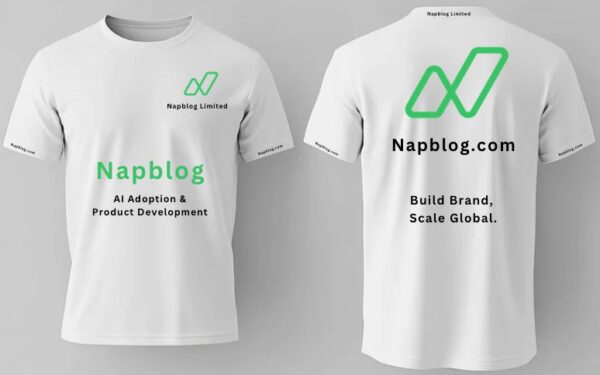
Napblog Limited Community: More Than a T-Shirt — A Signal of Thinking, Building, and Belonging
It Was Never Just About a T-Shirt At first glance, it looks simple. A clean white T-shirt. A…
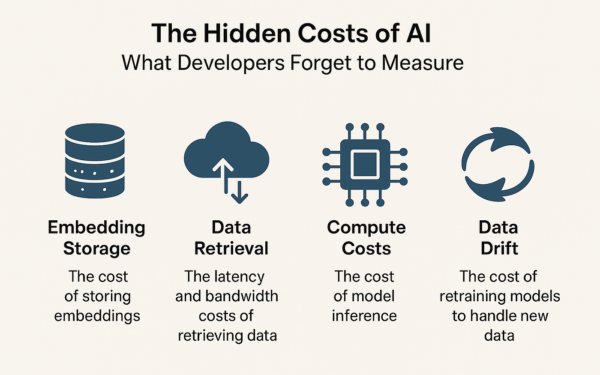
The Hidden Cost of AI Subscriptions — Managing Over & Under Utilised Credits at Scale in SaaS
The Silent Leak in Modern SaaS Every SaaS company today is investing in AI. But there is a…
Do We Have Two Brains? Understanding Left vs Right — And Why They Feel Separate
“Do I have two brains?” It sounds like a basic question. Almost childish. But behind it lies something…

Don’t take yourself too seriously, just a dust particle.
Don’t take yourself too seriously. You are just a dust particle. Not in a meaningless way. But in…

Build something real today
Nap OS turns these ideas into executable skills — verified portfolios, AI coaching, and a complete career system.
Try Nap OS Free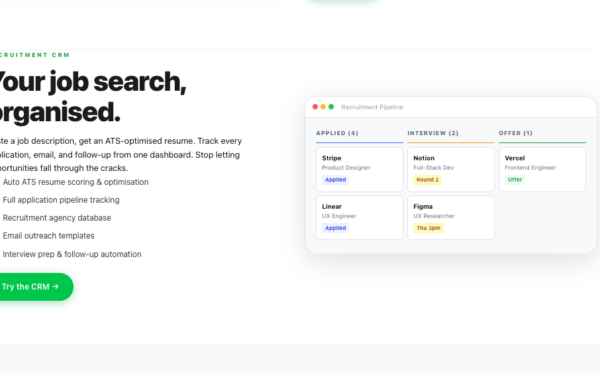
The Real Problem With Job Searching Isn’t Effort, It’s Chaos. Nap OS Recruitment
Most job seekers are not lazy. They apply. They try. They follow up. But still… they miss opportunities.…
Full Stack Marketing Services — From First Contact to Full Execution, Napblog Limited
Most companies treat their Contact Us page as a formality. A simple page. A few fields. A generic…
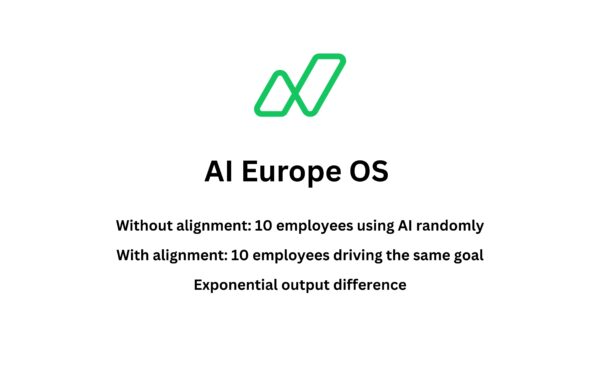
Why CEOs in Europe Must Spend 5+ Hours Training Employees on AI — Directly Aligned With Company Vision?
AI is everywhere. Tools are accessible. Teams are experimenting. But something is missing. Not capability. Not interest. Direction.…
Psychology Counselling isn’t a bad word, if it’s for Intellect. Intuition Psychology OS
There is a silent hesitation when people hear the word: “Counselling.” It feels heavy. It feels like something…
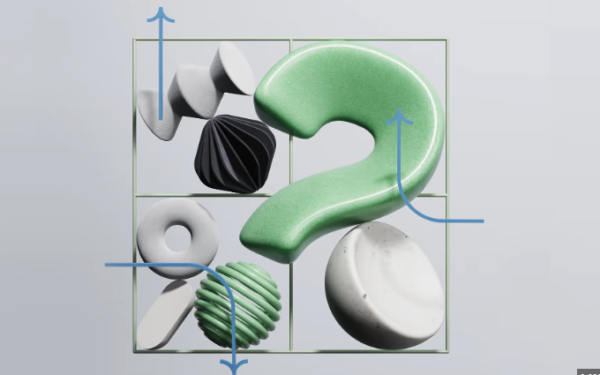
How asking questions can change everything?
I used to think answers changed my life. But now I realise… it was always the questions. Not…
Stop reading about careers.
Start executing one.
Every article here was written from inside the system. Now it's your turn to use it.