Napblog

Author name: Pugazheanthi Palani

Pugazheanthi Palani - Marketing Definition
Blog

Using Your Own Brain to Think + Generating Courage + Intellectual Psychology + Asking Better Questions

Marketing, as most people understand it today, is crowded with frameworks, funnels, buzzwords, certifications, dashboards, and borrowed playbooks. Everyone seems to be “doing marketing,” yet very few are actually thinking. This article is not an attempt to redefine marketing for textbooks or classrooms. It is a lived definition—one shaped by building, failing, observing humans, listening deeply, and choosing courage over comfort repeatedly. At Napblog, we do not see marketing as a department. We see it as a human capability. My definition of marketing is simple, but not easy: Marketing is the ability to use your own brain to think, generate courage, understand intellectual psychology, and ask questions that expand the scale and scope of human consciousness. Everything else—ads, content, SEO, branding, growth loops—is merely an output. Marketing Begins Where Borrowed Thinking Ends The biggest crisis in modern marketing is not competition.It is borrowed thinking. Most marketers today are executing ideas created by someone else: Execution without thinking is not marketing.It is operational labor. Real marketing begins when a human being pauses and asks: Marketing starts with independent cognition. Using your own brain to think is not optional—it is the price of entry. Courage: The Missing Ingredient Nobody Teaches Most marketing advice avoids one uncomfortable truth: Good marketing requires courage. Courage to: Safe marketing does not move people.Brave marketing does. Every meaningful brand in history was built by someone who chose courage over consensus. Courage is what allows a marketer to: Without courage, marketing becomes noise. Intellectual Psychology: Marketing Is Not Persuasion, It Is Understanding Marketing is often misunderstood as persuasion.In reality, marketing is deep psychological empathy. Humans do not buy products.They buy: Intellectual psychology in marketing means understanding: But more importantly, it means respecting the human mind. Manipulation is short-term.Understanding is long-term. At Napblog, we believe marketing should expand human consciousness, not exploit human weakness. The Power of Asking Questions (Not Giving Answers) The most underrated marketing skill is the ability to ask better questions. Not louder questions.Not clever questions.But honest questions. Questions like: Marketing that asks questions invites participation.Marketing that gives answers demands compliance. Great marketing does not shout conclusions.It opens conversations. Who Created Marketing? It Doesn’t Matter Anymore People often ask: The truth is simple: Marketing was not invented. It emerged. Marketing emerged the moment one human tried to solve another human’s problem at scale. It does not belong to textbooks.It belongs to human progress. What matters today is not who created marketing, but why it exists. Every Product Is a Frozen Idea Every service and product you see around you began as an idea in someone’s mind. Before it was: It was: Ideas are fragile in the beginning.They require protection, patience, and persistence. Marketing is the process of helping an idea survive reality. Blood, Sweat, and Tears Are Invisible in Marketing Dashboards Behind every useful product lies: Innovation is not glamorous.It is painful. Marketing, when done ethically, honors this effort by: Short-term gimmicks disrespect long-term effort. Creativity Is Not a Skill. It Is Human Existence Creativity is not optional for marketers.It is the essence of being human. To create is to exist.To exist is to imagine.To imagine is to care. Marketing without creativity is mechanical.Creativity without purpose is noise. True creativity solves problems.It does not decorate them. Marketing as Consciousness Expansion The highest form of marketing is not conversion.It is clarity. When marketing helps people: It becomes a force for good. This is why marketing matters. The Napblog Philosophy At Napblog, we believe: Marketing is not about selling more.It is about serving better. A Final Thought If marketing does not make the world better, even in a small way, it has failed. Use your brain.Generate courage.Study human psychology.Ask better questions. That is marketing. Not as a tactic.Not as a job.But as a human responsibility.

Students = Inspirations {Hero’s}
SIOS - Students Ireland OS

We Celebrate the Risk-Takers Who Leave Comfort Behind to Move Forward.

At SIOS, we believe progress has always belonged to those who were willing to step into uncertainty. History does not remember comfort zones; it remembers courage. This newsletter is dedicated to a specific group of people whose bravery often goes unnoticed, underestimated, or oversimplified—the students and young professionals who choose to migrate to a new country, not because it is easy, but because their goals demand more than familiarity can offer. This is not a celebration of migration as a trend. This is a recognition of risk-taking as a discipline, a mindset, and a deeply human decision. Risk Is Not Recklessness—It Is Vision With Consequences From the outside, migration is often framed as an opportunity. From the inside, it is a calculated risk layered with emotional, financial, social, and psychological weight. Choosing to leave one’s home country is not an impulsive act. It is the outcome of months—sometimes years—of internal negotiation. You weigh certainty against possibility.You trade familiarity for growth.You accept short-term discomfort in pursuit of long-term alignment with your goals. That is not recklessness. That is vision paired with accountability. At SIOS, we see this clearly: every student who migrates has already demonstrated one of the most valuable traits in any global ecosystem—the ability to move forward without guarantees. The First Risk: Leaving What Knows You Your home country knows you. It knows your accent, your body language, your academic system, your social cues, and your unspoken rules. When you leave, you surrender automatic belonging. In exchange, you receive anonymity. This is one of the most underestimated risks of migration. In a new country: Yet risk-takers accept this reset because they understand something fundamental: growth often begins when identity is stripped down to its essentials. The Financial Risk No One Talks About Honestly Migration requires capital—not only money, but trust in yourself. Tuition fees, visa costs, accommodation deposits, currency fluctuations, blocked accounts, emergency funds—these are not abstract numbers. They represent family sacrifices, loans, savings, and expectations. For many students: Taking this risk means carrying responsibility far beyond personal ambition. It means waking up every day knowing that failure would not only disappoint you—but others who believed in your decision. Risk-takers do not ignore this pressure. They carry it—and still move forward. Emotional Risk: Loneliness as a Training Ground Loneliness is not a side effect of migration; it is part of the curriculum. In a new country, silence becomes louder: This emotional exposure builds something rare—emotional independence. Students who migrate learn to: These are not soft skills. They are survival skills that later transform into leadership capacity. Cultural Risk: Being Willing to Be a Beginner Again Risk-takers accept something most people resist—the humility of starting from zero. In a new country: Many students who were top performers at home suddenly feel average—or invisible. But here is the difference: risk-takers do not interpret this as failure. They interpret it as calibration. They observe.They adapt.They evolve. This willingness to relearn oneself is what makes internationally experienced students resilient contributors in global systems. The Career Risk: No Guaranteed Outcomes There is no contract that promises: Every step forward requires: Risk-takers understand that employability is not inherited from a degree—it is earned through relevance, adaptability, and cultural fluency. At SIOS, we deeply respect students who accept that responsibility rather than outsourcing hope to luck. Courage Is Quiet, Not Loud The bravest students are often the least visible. They are not always the ones posting motivational quotes.They may not speak perfect English.They may hesitate before raising their hand.They may struggle silently. But courage shows up differently: Risk-taking is rarely dramatic. It is repetitive discipline under uncertainty. Why SIOS Chooses to Celebrate You SIOS exists because we refuse to reduce students to application numbers or visa statistics. We see: Our responsibility is not to glorify struggle—but to respect it, support it, and design systems that reduce unnecessary friction for those already carrying enough risk. We do not promise certainty.We promise clarity, structure, and honesty—because risk-takers deserve truth, not hype. Moving Forward Is an Act of Leadership Every student who migrates becomes a bridge: You bring back more than a degree: Societies progress because some individuals were willing to move first. That is leadership in its earliest form. A Final Word to the Risk-Taker Reading This If you have left your country—or are preparing to—you should know this: Your decision already proves something important about you. You are willing to: No matter how the journey unfolds, this mindset compounds over a lifetime. At SIOS, we see you.We respect your courage.And we remain committed to walking alongside those who dare to move forward when staying still would have been easier. Progress has always belonged to the brave.

AIEOS Is Born in Europe — Built to Serve Across Borders
AIEOS - AI Europe OS

AIEOS Is Born in Europe — Built to Serve Across Borders

There are moments in every technology movement when geography stops being a limitation and starts becoming a strength. AIEOS (AI Europe OS) was born in Europe, but from its very first design decision, it was never meant to stay within borders. It was built to travel—across markets, regulations, languages, cultures, and operational realities. This newsletter is not just an announcement of reach. It is the story of why AIEOS exists, where it comes from, and how the Napblog ecosystem positions itself alongside — and often ahead of — a crowded global landscape of marketing platforms, analytics providers, research firms, automation vendors, and digital agencies. This is a conversation about Europe as a launchpad, not a constraint. Why Europe Was the Right Place to Start Europe is not the easiest place to build AI infrastructure. That is precisely why it is the right place. Europe forces discipline: By designing AIEOS within this environment, the platform inherits European DNA: privacy-first architecture, modular automation, and governance-ready AI workflows. These are not features added later—they are foundational. When AIEOS serves clients in the UAE, Japan, Canada, the United States, Australia, or across Asia-Pacific, it does so with systems that already assume complexity, regulation, and scale. That is what makes European-born AI exportable. Napblog: The Brand Layer That Travels With AIEOS Napblog is not simply a product brand. It is the outward-facing intelligence layer of AIEOS—where content, analytics, automation, and operational insight converge. Napblog exists in a global environment where companies already rely on platforms such as Hootsuite, Clarivate, and Frontify to manage visibility, data, and brand governance. The difference is not that Napblog competes feature-by-feature. The difference is that Napblog sits inside an operating system. Where traditional platforms solve isolated problems—social scheduling, brand assets, surveys, analytics—Napblog is designed to be orchestrated. It becomes part of a larger automation fabric where AI agents, workflows, and decision systems work together under AIEOS governance. This is why Napblog does not market itself as “another tool.”It markets itself as a system participant. Cross-Border Reality: Competing Without Copying Look at the global landscape and the pattern is clear. In Japan, agencies such as Hashi Media operate with deep cultural and regional expertise. In China, firms like Regroup China dominate market intelligence through local knowledge. In Australia, creative and performance agencies such as Zeroth focus on high-touch brand execution. In North America, enterprise platforms like Circana and Box provide scale, storage, and analytics. Napblog does not attempt to replace these ecosystems overnight. Instead, it integrates, augments, and automates around them. AIEOS assumes that: Napblog becomes the connective intelligence—where automation replaces repetition, and AI assists strategy rather than dictating it. Serving UAE, Asia, and North America Without Rewriting the Stack One of the most common failures of global platforms is over-customization. Systems get rebuilt per market, per region, per compliance framework. Complexity grows. Costs rise. Reliability drops. AIEOS takes a different approach. By anchoring the core in European compliance standards and deploying modular automation layers, the same Napblog workflows can operate: This is how AIEOS can coexist with platforms like Klaviyo, ON24, or FullStory without forcing replacement. AIEOS does not demand migration first.It delivers automation first. Automation Is Not the Product — Governance Is Many AI platforms promise speed.Few promise safety.Almost none deliver governance by default. AIEOS is built around the idea that automation without control creates operational risk. This is particularly visible in failed integrations, broken APIs, and AI workflows that silently drift away from business intent. Napblog workflows inside AIEOS are: This matters when operating across borders where regulatory expectations differ and legal exposure multiplies. Platforms that ignore governance eventually create liability.AIEOS treats governance as a feature, not a constraint. Where Napblog Stands Among Global Competitors The market is full of capable companies: Napblog does not try to out-feature them. Instead, it answers a different question: “How do all these systems work together without creating human dependency?” That is the AIEOS advantage. From Europe to the World: A Quiet Expansion Model AIEOS does not expand loudly.It expands structurally. Each new market adopts: This is why AIEOS can support clients working alongside firms such as HCL Software, Grow Progress, or Maropost without conflict. AIEOS does not replace ecosystems.It stabilizes them. What “Serving Across Borders” Actually Means It does not mean opening offices everywhere.It does not mean copying competitors.It does not mean chasing trends. It means: Napblog is the visible layer of that philosophy.AIEOS is the operating backbone. A European Origin, A Global Responsibility Europe gave AIEOS its discipline.Global clients give it purpose. As Napblog continues to appear alongside names like Accutics, YouScan, and HawkSEM, the positioning remains consistent: AIEOS is not trying to be everywhere.It is trying to be reliable everywhere. That distinction matters. Closing Thought AIEOS was born in Europe because Europe demands responsibility.It serves across borders because businesses demand coherence. Napblog is how that story is told.Automation is how it scales.Governance is how it survives. The future of AI platforms will not belong to the loudest tools.It will belong to the systems that quietly work—everywhere. AI Europe OS. Built in Europe. Operating without borders.

NapblogOS: Marketing Lecturers Can Transform Student Careers
NapOS

How Marketing Lecturers Can Transform Student Careers by Introducing NapblogOS in the Classroom?

Across universities, institutes of technology, and business schools, marketing lecturers are doing exceptional work. Students learn theory, frameworks, models, ethics, sustainability, digital tools, consumer psychology, and strategy. Assignments are designed thoughtfully. Group projects are challenging. Case studies are relevant. Yet, a persistent problem remains: Students graduate with good grades—but struggle to convert their learning into employability. This gap is not caused by a lack of intelligence, effort, or teaching quality.It exists because students are not taught how to translate academic work into career evidence. This is where NapblogOS comes in—not as another learning platform, not as a replacement for your teaching, and not as a tool that adds workload—but as a career operating system that sits alongside your modules. This article explains: The Hidden Problem in Marketing Education Marketing students today are told to: But they are rarely shown how. As lecturers, we assume students will: In reality, most students: This creates an unfair outcome: Students who understand the system succeed faster than those who simply worked hard. NapblogOS exists to level that playing field. Why “Just Use Notion” Is Not the Answer A common response is: “Many students already use Notion.” This is true—and it’s also the problem. Notion is: It is not: Students using Notion: NapblogOS is purpose-built for one outcome: Turning learning into employability, systematically. What NapblogOS Is (in Plain Language) NapblogOS is a student-first career operating system. It helps students: For lecturers, this means: Importantly: Students do not pay for NapblogOS. Universities do. This keeps access equitable. What NapblogOS Is NOT Let’s be clear. NapblogOS is not: It does not: NapblogOS respects academic autonomy. Why Marketing Students Need This More Than Most Marketing students face a unique challenge: Everyone claims they are a marketer. Unlike engineering or accounting, marketing roles: Employers ask: NapblogOS helps students answer these questions with confidence, not improvisation. How Marketing Lecturers Can Use NapblogOS in Class (Practically) Here is the key reassurance: You do not need to redesign your module. NapblogOS works best when it is introduced lightly but consistently. 1. Introduce It in Week 1 (5 minutes) You simply explain: That’s it. No demo required in class if you prefer not to. 2. Link Assignments to Career Evidence (Without Changing Them) Instead of: “Submit your campaign proposal.” You add one sentence: “This is also portfolio evidence—store it in NapblogOS.” Students now understand: 3. Encourage Reflection (Optional, Not Assessed) NapblogOS includes structured reflection prompts: You do not need to grade this. The benefit is: Students learn how to articulate value—something employers care deeply about. 4. Use It for Final-Year Readiness In final-year or postgraduate modules: How This Changes Students’ Lives (Not Just Outcomes) This is the most important part. 1. It Reduces Anxiety Students stop feeling: They can see their growth. 2. It Rewards Consistency, Not Privilege Students without: Still have: NapblogOS makes these visible and legitimate. 3. It Builds Professional Identity Early Students stop saying: “I’m just a student.” They start saying: “Here’s what I’ve worked on.” That mindset shift is transformational. 4. It Aligns Education With Reality—Without Compromising Values Marketing education often balances: NapblogOS does not dilute these—it helps students express them clearly. Why Universities Pay (and Students Don’t) NapblogOS is designed as an institutional employability infrastructure. Universities benefit because: Students benefit because: A Final Word to Marketing Lecturers You already change lives through teaching. NapblogOS simply ensures: That impact does not stop at graduation. By introducing it—even briefly—you give students: This is not about technology.It is about translation. Translating learning into life. Short Demo (3–4 minutes) If you’d like to see the system your students would use:👉 https://napblog.com/napblogos/ No obligation. No pressure. Just a tool built to respect education—and make it count.

Are we loosing? Yes to Napblog Limited Only
Blog

Are we loosing? Yes to Napblog Limited Only

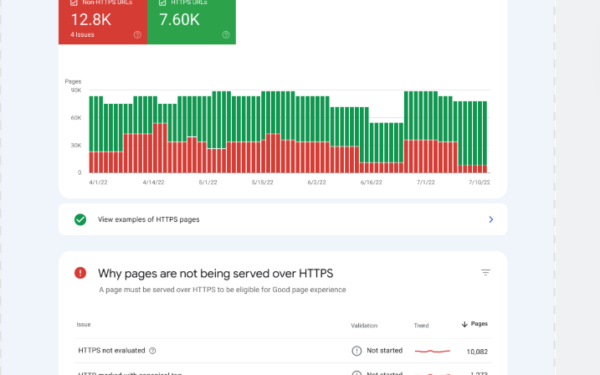
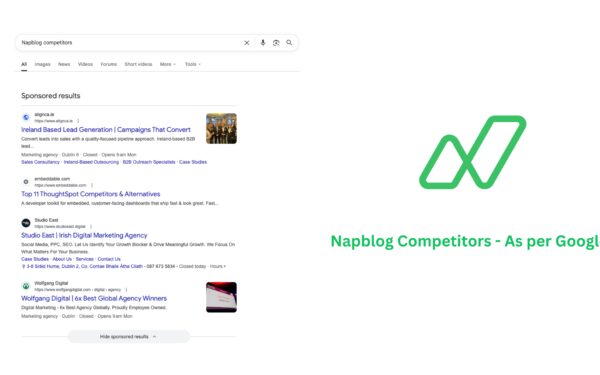
For a very long time, the word Napblog did not belong to us alone. Not in search engines.Not in paid auctions.Not in keyword dashboards. It was shared, contested, tested, and—at times—crowded. If you have ever built a brand from scratch, you will understand what that means. A branded keyword is not just a string of letters. It is identity. It is reputation. It is memory. And when dozens of global companies—across continents, currencies, and cultures—actively bid on it, optimize around it, or attempt to intercept it, that is not coincidence. That is validation. Today, when I type Napblog into Google and hear… nothing—No aggressive ads.No noise.No interception. It feels calm. And yes, it feels good. But this article is not a victory lap.It is a reflection. The Phase Nobody Talks About: When Your Brand Is Still “Open Territory” In the early and middle stages of brand building, something interesting happens. You are visible enough to be noticed,but not yet dominant enough to be left alone. That is the phase Napblog lived in for years. Our branded keywords were being tested from: Different verticals.Different intents.Different assumptions about who or what Napblog was becoming. Some were direct competitors.Some were adjacent platforms.Some were agencies, tools, research firms, SaaS companies, automation players, and consultancies. Most were not malicious.They were curious. They saw traffic.They saw engagement.They saw something forming. And in search economics, curiosity turns into bids. When Branded Keyword Bidding Becomes a Signal, Not a Threat Many founders panic when competitors bid on their branded keywords. They see it as loss.They see it as invasion.They see it as unfair. I saw it differently. When global companies—some with thousands of employees, public listings, or decades of market presence—decide to spend money just to appear next to your name, it means three things: No one bids on something that does not convert.No one optimizes around something that does not matter. So we did not react emotionally.We observed. Geography Told Us a Story Before Analytics Did What fascinated me most was not who was bidding. It was where they were bidding from. Different countries used the word Napblog with different assumptions: That fragmentation told us something critical: Our brand was not small.It was multi-dimensional. And multi-dimensional brands take longer to settle—but when they do, they settle deeply. Why We Never Entered a Branded Keyword War Let me be very clear. We could have outbid many of these companies.We could have escalated.We could have turned our own name into an expensive auction. We chose not to. Because brand maturity is not about who shouts the loudest on your own name.It is about who owns intent without forcing it. Instead of spending aggressively, we focused on: We invested in making Napblog mean something, not just rank somewhere. The Quiet Moment Is Not an Accident Now comes the part people misunderstand. The silence you see today is not because others “gave up.”It is because the market resolved the question for them. When users consistently skip ads and go directly to the brand,When search engines understand intent clearly,When click-through behavior reinforces ownership,When content depth outperforms paid interruption— The auction naturally cools. Not because of defeat.But because of inefficiency. And marketers—good ones—respect inefficiency. This Is What Brand Gravity Looks Like Brand gravity is subtle. It does not announce itself.It does not trend loudly.It does not spike overnight. It shows up as: That is what I am seeing now. And it did not come from campaigns.It came from consistency under pressure. A Note to Founders Who Are Still in the “Noisy Phase” If competitors are bidding on your branded keyword right now, read this carefully: Your job is not to panic.Your job is not to overreact.Your job is to outlast with clarity. Noise is temporary.Positioning is permanent. If you build something real, the market eventually stops asking,“Who are they?”and starts saying,“Oh, that’s them.” That is the transition. What This Moment Means to Me Personally As a founder, this quiet moment is not about ego.It is about relief. Relief that the signal is now stronger than the interference.Relief that our name carries weight without explanation.Relief that years of invisible work are now doing visible defense. Most importantly, it reinforces a belief I’ve always held: You don’t win by fighting everyone.You win by becoming undeniable. We Are Still Early — Just No Longer Unclear Let me end with honesty. Napblog is still early.We are still experimenting.We are still learning.We are still building. But we are no longer undefined. And when your brand reaches that stage,the market doesn’t argue with you anymore. It simply moves on. That silence?It is not emptiness. It is acknowledgment. —Founder, Napblog Limited

How SIOS Complements the Fight Against Rising Visa Rejection Rates (2024–2025)
SIOS - Students Ireland OS

How SIOS Complements the Fight Against Rising Visa Rejection Rates (2024–2025)

For an international student, a visa decision is never just an administrative outcome. It is the single most emotional checkpoint in the entire study-abroad journey. Months—sometimes years—of preparation, financial planning, family discussions, and personal sacrifice often come down to a short interview and a stamped decision. At SIOS – Students Ireland OS, we view visa rejection not as an isolated failure, but as a systemic signal. A signal that modern student mobility has outgrown fragmented advisory models, outdated documentation practices, and reactive decision-making. This newsletter explains how SIOS complements the ecosystem by identifying root causes behind visa rejections and addressing them through comprehensive, student-centric solutions—especially in a rapidly shifting global visa landscape between 2024 and 2025. The Global Context: Visa Approvals Are Not Uniform—They Are Polarised Between 2024 and 2025, the global visa environment did not move in a single direction. Instead, it fractured. Some countries shortened processing timelines, streamlined documentation, or improved approval rates. Others tightened scrutiny, increased refusal rates, or introduced additional pre-checks. This uneven landscape is critical for students and advisors to understand—because strategy that worked in 2023 may quietly fail in 2025. Broadly, three macro-patterns emerged: Countries Showing Improved Approval Trends (2024–2025) Data published and consolidated from Schengen and regional authorities, including the European Commission, indicates that several countries saw relative easing compared to prior years: These improvements, however, were not due to “leniency.” They resulted from better digital processing, pre-screening mechanisms, and clearer intent assessment. Countries Facing Harder Approval Conditions At the same time, rejection rates worsened for applicants from several regions: In these cases, visa authorities cited concerns around financial traceability, post-study intent, and documentation inconsistencies—not academic quality. This dual reality leads to an uncomfortable truth: visa success today depends less on merit alone and more on preparedness maturity. Why Visa Rejection Is No Longer a “Student Problem” Traditionally, visa rejection has been framed as a student’s failure: This framing is incomplete and, frankly, unfair. In reality, visa rejection is often the result of system fragmentation: SIOS approaches visa outcomes differently. We treat rejection rates as predictable operational risk, not random events. What Changed Between 2024 and 2025—and Why It Matters 1. Processing Speed Improved, But Error Tolerance Reduced Many countries shortened processing timelines. Faster decisions mean: Students now get decisions quicker—but rejections also come faster. 2. Narrative Coherence Became Central Visa officers increasingly assess: This is not about English fluency. It is about story integrity across documents. 3. Financial Transparency Replaced Financial Volume Large bank balances no longer guarantee approval. Officers look for: SIOS observed that many rejections occurred even when funds were “technically sufficient.” Where SIOS Fits: Complementing, Not Competing SIOS is not built to replace consultants, CRMs, or universities. It is built to connect the invisible gaps between them. We position SIOS as a student operating system—a longitudinal layer that runs quietly underneath the entire journey. Key SIOS Contributions to Reducing Visa Rejections 1. Single Source of Truth SIOS centralises: This eliminates version conflicts—one of the most common silent causes of rejection. 2. Pre-Visa Readiness Scoring Before a student even books a visa appointment, SIOS helps identify: This shifts students from reactive preparation to proactive readiness. 3. Pattern Recognition Across Cohorts Unlike manual advisory models, SIOS learns across thousands of anonymised journeys: This intelligence feeds back into student guidance in real time. Helping Students, Not Just Processing Applications At SIOS, helping students does not mean promising “100% visa success.” That language is irresponsible. Helping students means: When a rejection does occur, SIOS ensures the student understands why—not just that it happened. This is critical for mental health, financial planning, and second-attempt strategy. A Human Reality Behind the Numbers Visa statistics often hide human cost: SIOS was designed with this emotional layer in mind. Systems should reduce anxiety, not amplify it. By providing clarity, structure, and foresight, SIOS helps students feel in control—even when outcomes are uncertain. Why Shortened Approval Timelines Demand Better Systems When approvals were slow, mistakes could be corrected. When timelines compress, systems must mature. The future of student mobility will favour: SIOS exists for this future. Looking Ahead: Visa Readiness as a Core Student Skill Between 2024 and 2025, one lesson is clear: visa success is no longer an event—it is a capability. Students who understand this early: SIOS’s responsibility is not just to support applications—but to educate students about the rules of the game before they play it. Final Thought: From Rejection Rates to Readiness Rates Visa rejection rates will always fluctuate. Policies will tighten and loosen. Geopolitics will interfere. What should not fluctuate is the quality of preparation. SIOS complements the global education ecosystem by shifting focus: When systems improve, outcomes follow. That is how SIOS helps students—not by fighting embassies, but by preparing students to meet them with clarity, confidence, and coherence.

How many percentage of people in the world do repeatable tasks, and what percent of that can be automated with AI?
AIEOS - AI Europe OS

How many percentage of people in the world do repeatable tasks, and what percent of that can be automated with AI?

Short answer: far more than most organisations realise—and far less than most headlines claim. This article is written in a natural, conversational style for founders, operators, managers, and frontline teams who want clarity instead of hype. It reflects how AIEOS looks at automation in the real world: not from lab experiments or headlines, but from day-to-day business operations. Let us start with the question people keep asking “How many percentage of people in the world do repeatable tasks, and what percent of that can be automated with AI?” This question is often misunderstood because people talk about jobs, when the real unit of change is tasks. AI does not replace jobs.AI replaces repeatable, rules-based, predictable tasks inside jobs. Once you see work through this lens, everything becomes clearer. Jobs vs tasks: the mistake almost everyone makes A “job” is a bundle of tasks. Take any role: None of these roles are 100% repetitive. But most of them contain a large percentage of repeatable tasks. That is why serious research consistently shows: This distinction matters because fear comes from misunderstanding. So how much of global work is actually repeatable? When you average across industries and countries, global research converges on a similar reality: Global task breakdown (approximate) That means more than half of what humans do at work is structurally automatable. The question is no longer if, but how well. What makes a task automatable? A task is a strong candidate for AI automation if it is: Examples exist in every industry. Examples of highly automatable tasks across industries Office & administrative work Automatable today: 60–80% Sales & marketing Automatable today: 45–65% Customer support Automatable today: 50–75% Finance & accounting Automatable today: 55–70% Restaurants, salons, local businesses Automatable today: 40–60% This is exactly where AIEOS focuses: practical automation, not science fiction. Why entire jobs are rarely automated Even if 70% of tasks are automatable, humans still matter because: AI removes task load, not accountability. This is a critical distinction for leadership. The real economic impact is not job loss — it is time recovery When 40–60% of tasks are automated: In practice, companies do not reduce headcount first.They reduce friction. Why most AI automation projects still fail Here is the uncomfortable truth: Most automation failures are not technical. They are organisational. Common failure points: This is why headlines like “85% of AI projects fail” keep appearing. AI is not the problem.Poor system design is. How AIEOS approaches automation differently AIEOS does not start with AI models. It starts with: Only then does AI get applied. This prevents: The AIEOS automation maturity model Level 1: Visibility Level 2: Rule automation Level 3: AI-assisted tasks Level 4: AI-orchestrated workflows Most companies should not jump straight to Level 4. The real percentage question, answered clearly Let us answer the original question plainly. Across the global workforce: The future is task redistribution, not job elimination. What changes for workers? Workers do not disappear.Their task mix changes. They move from: The most valuable skill becomes working with AI systems, not competing against them. What changes for businesses? Businesses that adopt automation correctly: Those that do not: Final thought from AIEOS AI automation is not about replacing people. It is about respecting human time. If 50% of your organisation’s work is repeatable, then half of your human potential is being wasted on tasks machines already know how to do. The winners will not be the companies with the most AI.They will be the companies with the clearest understanding of their tasks. That is the philosophy behind AIEOS.

NapOS

Watch NapblogOS Demo | What the Demo Video Shows Clearly?

The demo video walks viewers through the core building blocks of NapblogOS. Each feature exists to solve a specific career friction point. 1. Portfolio-First Career Architecture The demo highlights NapblogOS’s portfolio-centric design. Instead of asking students to “prepare a portfolio someday,” the system is built around continuous portfolio creation. Every project, article, campaign, case study, or experiment becomes structured career evidence. Over time, this compounds into a searchable, verifiable professional footprint. Students are no longer invisible to recruiters or dependent on a single-page resume. 2. Portfolio Search Engine One of the most powerful elements demonstrated is the internal portfolio search engine. This allows work to be discovered based on skills, domains, industries, and outcomes rather than keywords on a CV. This fundamentally changes how students are positioned. They are not applicants waiting to be selected. They are contributors whose work can be evaluated directly. 3. Project Dashboard: Work as the Central Currency The demo shows a unified project dashboard where students manage real work, not theoretical assignments. Projects are structured with timelines, outcomes, reflections, and proof of execution. This teaches accountability, planning, and delivery—skills that employers consistently say are missing in graduates. 4. NapblogATS: Career Applications as a System Job applications are usually chaotic. Students apply across platforms with no central tracking, no learning loop, and no feedback system. NapblogATS changes this by turning applications into structured data: The demo shows how this visibility reduces anxiety and creates clarity. Career progress becomes measurable rather than emotional. 5. Recruitment Agency Workflows The demo introduces recruitment-focused workflows that help students understand how hiring actually works. Instead of guessing what recruiters want, students align their portfolios, projects, and communication to real hiring pipelines. This bridges the knowledge gap between candidates and recruiters. 6. Government Schemes and Automation Many students are unaware of government grants, startup schemes, or employment incentives available to them. The demo shows how NapblogOS integrates awareness and automation around these opportunities, reducing friction and missed chances. This is particularly critical for international students and first-generation graduates. 7. Freelance and Entrepreneurial Readiness The demo clearly positions freelancing and entrepreneurship not as alternatives, but as parallel pathways. Students can manage freelance projects, client work, and entrepreneurial experiments inside the same system they use for job preparation. This aligns with the reality of modern careers, where linear employment is no longer guaranteed. Why the MVP Matters More Than Perfection NapblogOS deliberately launched a functional MVP rather than waiting for a “perfect” product. This decision reflects the philosophy behind the platform itself. Careers are not built in theory. They are built through iteration, feedback, and visible work. The MVP demonstrates: The demo video does not oversell. It shows what exists, what works, and what is intentionally still evolving. Built by Working Through the Same Constraints Students Face The NapblogOS team did not build this in ideal conditions. The demo launch represents work done across long hours, limited resources, and constant prioritization decisions. This is important context. NapblogOS is not designed by people disconnected from student reality. It is built by individuals who understand financial pressure, visa timelines, employment uncertainty, and the emotional weight of career ambiguity. The demo video reflects this grounded perspective. Turning Students Into Entrepreneurs Before Graduation One of the strongest messages embedded in the demo is this: students should not wait until graduation to think like professionals or entrepreneurs. NapblogOS encourages: This mindset shift is not theoretical. The demo shows how the platform structurally nudges students toward these behaviors. Why This Launch Is Different From Typical EdTech Announcements Most edtech launches focus on promises: AI-powered learning, personalized pathways, or future employability. The NapblogOS demo video focuses on present capability. Students can use the platform independently, build in public, and take control of their trajectory immediately. Who the Demo Is For The demo video is particularly relevant for: It is intentionally not designed for those looking for shortcuts, automation without effort, or surface-level credentialing. The Broader Vision Beyond the Demo While the demo focuses on current functionality, it also hints at a broader vision: a unified operating system where learning, work, career management, and entrepreneurship coexist in one continuous loop. The launch is not the finish line. It is the starting point of an ecosystem designed to grow with its users. A Personal Note Behind the Launch NapblogOS is also a deeply personal project. Built by a proud Griffith University alumnus (International Business, 2020), the platform reflects firsthand experience with the gap between education and employability. The demo video is an open invitation—to students, institutions, and partners—to engage in building something that prioritizes outcomes over optics. What Happens Next After the Demo Launch Following the demo release: This is deliberate. NapblogOS is designed to be shaped by its users, not assumptions. Final Thoughts: Why This Demo Matters Now The timing of this launch matters. With millions of graduates entering an increasingly competitive and uncertain job market, students cannot afford to wait for institutions or employers to change. They need systems that help them act today. The NapblogOS demo video is not just a product showcase. It is proof that a different approach to career preparation is possible—one built on work, ownership, and continuous progress. This launch is a beginning. And for many students, it may be the first time their effort finally compounds into visible opportunity through a system designed for reality, not theory.

Why Four Brands From the USA, UK, and Ireland Are Competing for the “Napblog” Keyword
Blog

Why Four Brands From the USA, UK, and Ireland Are Competing for the “Napblog” Keyword?

A Deep, Geographic, and Strategic Analysis When four distinct brands—headquartered across the United States, the United Kingdom, and Ireland—simultaneously bid on the single branded keyword “Napblog,” the story is no longer about advertising mechanics. It becomes a story about geographic relevance, cross-border brand gravity, and asymmetric influence. This is not accidental overlap.This is not algorithmic randomness.This is international signal convergence. What follows is a deep explanation of why brands from three advanced marketing ecosystems are converging on one brand keyword—and what that reveals about Napblog’s current stage of evolution. 1. Geography Matters in Branded Keyword Competition In paid search, geographic dispersion of bidders is rare for branded terms. Most branded keyword competition is: But when brands from multiple countries compete on a single branded keyword, it implies something stronger: The brand is no longer local in relevance—even if it is local in origin. Napblog is being interpreted by algorithms and advertisers as: This is the first critical signal. 2. The Three Markets Involved—and What They Represent Let us examine the strategic meaning of each geography. United States: Scale, Systems, and Monetization Logic The United States is the world’s most aggressive and mature paid acquisition market. When a US-based company bids on a foreign-origin branded keyword, it usually means: US advertisers rarely chase vanity traffic. Their cost-per-click tolerance is high, but only when: The presence of a US brand in Napblog’s branded search results indicates that Napblog traffic is being read as monetizable influence, not casual readership. United Kingdom: Trust, Reputation, and Risk Sensitivity The UK market is distinct. UK-based brands are: When a UK company enters a branded keyword auction, it is often because: This suggests Napblog is being interpreted as: UK advertisers avoid association risk. Their participation is quiet validation. Ireland: Education, Strategy, and Thought Capital Ireland, particularly Dublin, has become a European hub for strategy, education, and global marketing operations. Irish brands tend to bid on keywords that indicate: When Irish organizations appear alongside Napblog, it indicates Napblog traffic is being read as: This places Napblog in a thinking-first ecosystem, not a tools-only or influencer-only space. 3. Why These Four Brands—Specifically? The convergence of four brands from three countries tells us something subtle but critical: They are not competitors with each other. They do not share the same core offerings.They do not cannibalize the same budgets.They operate in adjacent—but distinct—layers of the market. That means they are not fighting each other. They are fighting for proximity to Napblog’s audience. 4. Napblog as the Common Demand Source In advanced marketing theory, this is called a demand-origin brand. A demand-origin brand: Each of the four brands is attempting to: This is not substitution marketing.This is adjacency marketing. 5. Why This Cannot Be Faked or Forced Many brands try to engineer this situation by: But branded keyword competition of this kind cannot be forced. It emerges only when: Google’s auction system itself filters out noise.Low-performing branded hijacks die quickly. If four brands from three countries remain visible, it means: This is algorithmic confirmation. 6. Why Only Four—and Why That Is Important If Napblog were weakly positioned, you would see: Instead, you see: That restraint indicates selective value, not mass-market noise. In branding terms: Scarcity of bidders is often stronger than abundance. 7. Cross-Border Interest Means Content Is Traveling Without Translation Another critical insight:Napblog content is cognitively portable. Brands in the US, UK, and Ireland believe: This is rare. Most content brands fail to cross borders because: Napblog appears to be addressing first-principle business problems, which travel well. 8. This Stage Precedes Platformization Historically, this pattern appears before brands evolve into: Before this stage: After this stage: Napblog is in the middle—the most interesting phase. 9. What This Means Strategically for Napblog From a strategic standpoint, this moment signals: Napblog does not need to respond aggressively.The smartest response is clarity, consistency, and compounding. 10. The Deeper Truth Four brands from the USA, UK, and Ireland are not fighting against Napblog. They are acknowledging something fundamental: Napblog has become a reference point. Reference points attract: This is not noise.This is not coincidence.This is not a threat. This is what global relevance looks like before scale is fully activated. Napblog is no longer just being searched. It is being positioned around—across borders.

NapblogOS Job Tracking - Napblog.com
NapOS

NapblogOS Job Tracking: From Copy-Paste to Interview-Ready — Built for Accountability, Not Noise

Every student today applies to jobs across platforms that were never designed to work together. LinkedIn. Indeed. Company career pages. WhatsApp referrals. Email follow-ups. Screenshots. Notes apps. Memory. What begins with motivation slowly turns into fragmentation. Most students do not fail because they lack talent.They fail because their job search has no operating system. NapblogOS was built to change that. This article explains—clearly and practically—how the NapblogOS Copy-Paste Job Tracking feature works, why it is fundamentally different from bookmarks, spreadsheets, or “job boards,” and how it introduces real accountability and interview-readiness triggers, not just another dashboard. The Core Problem: Job Applications Are Invisible Work Students apply to dozens—sometimes hundreds—of roles. Yet when asked simple questions: The honest answer is often silence. Not because students are careless, but because applications disappear the moment they are submitted. LinkedIn saves jobs.Indeed emails confirmations.Gmail buries follow-ups.Notes apps store fragments. Nothing connects. NapblogOS treats job applications as active projects, not passive submissions. The NapblogOS Principle: If It’s Not Trackable, It’s Not Real NapblogOS does not scrape data, violate platform terms, or require integrations with “big tech.” Instead, it uses the most universal action available to every student: Copy → Paste This is intentional. Because copy-paste forces awareness, ownership, and clarity. How Students Copy-Paste Jobs into NapblogOS (Step-by-Step) Step 1: Open Any Job Post No restrictions. Step 2: Select All (Ctrl + A) → Copy (Ctrl + C) Students copy the entire visible job content: Step 3: Paste into NapblogOS “Add Job Update” Inside NapblogOS, students see a simple modal: They click Extract Details. NapblogOS parses the unstructured text into structured, trackable data. No browser extensions.No scraping.No permissions. Just ownership. What NapblogOS Automatically Creates After Paste Once pasted, NapblogOS generates a Job Application Record, similar to a CRM deal card, including: This is where NapblogOS diverges from every other tool. Because the system does not stop at storage. It starts accountability. Applied Is Not the End. It Is the Start. Most platforms celebrate the act of applying. NapblogOS questions it. The moment a job is marked Applied, NapblogOS activates a preparation lifecycle. Because interviews do not reward applicants.They reward prepared candidates. NapblogOS Interview-Readiness Triggers (This Is the Difference) When a job is marked as Applied, NapblogOS automatically triggers: 1. Skill Gap Awareness NapblogOS compares: It highlights: Not to shame—but to direct focus. 2. Micro-Preparation Tasks (No Overwhelm) Instead of generic advice like “prepare well”, NapblogOS creates contextual preparation prompts, such as: Each task is small.Each task is relevant.Each task compounds. 3. Time-Based Reality Triggers NapblogOS tracks time since application. If: This is not a reminder app. It is behavioral nudging aligned with hiring timelines. When a Student Gets Interview-Selected The moment a job is moved to Interview Selected, NapblogOS changes mode. It stops tracking applications. It starts tracking performance readiness. Interview Mode Activates: Everything is contextual to that specific job, not generic interview advice. Why This Is Not “Just Another Job Tracker” Let’s be clear. NapblogOS is not: It is a student operating system that treats job search as a disciplined process. Most tools answer: “Where did you apply?” NapblogOS answers: “Are you becoming interview-ready because you applied?” Accountability Without Guilt Traditional productivity tools rely on: NapblogOS uses: Students are not punished for inactivity.They are guided back to meaningful action. That distinction matters. Why This Matters for Students Globally In a market where: The edge belongs to students who: NapblogOS turns every application into: Even rejections create progress. The Hidden Benefit: Proof of Work Over time, NapblogOS builds something most students never have: A living record of effort. Not claims.Not promises.Evidence. When students say:“I prepared for this role.” NapblogOS can show: This changes how students see themselves. And how employers experience them. Final Thought: Systems Beat Motivation Motivation is fragile.Systems are durable. NapblogOS does not ask students to be more disciplined. It builds discipline into the workflow—quietly, consistently, without noise. Copy. Paste. Track. Prepare. Improve. That is how applications turn into interviews.And interviews turn into outcomes. NapblogOS is not helping students apply for more jobs. It is helping them become ready when opportunity responds.