Last updated: May 29, 2026
6 min read
There is a strange moment in every growing company’s life.
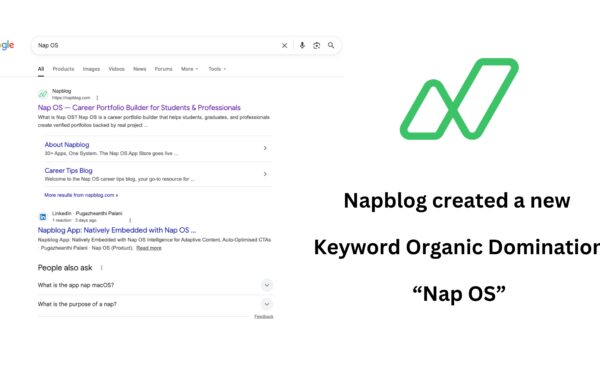
You search your own brand name.
And you don’t see just yourself.
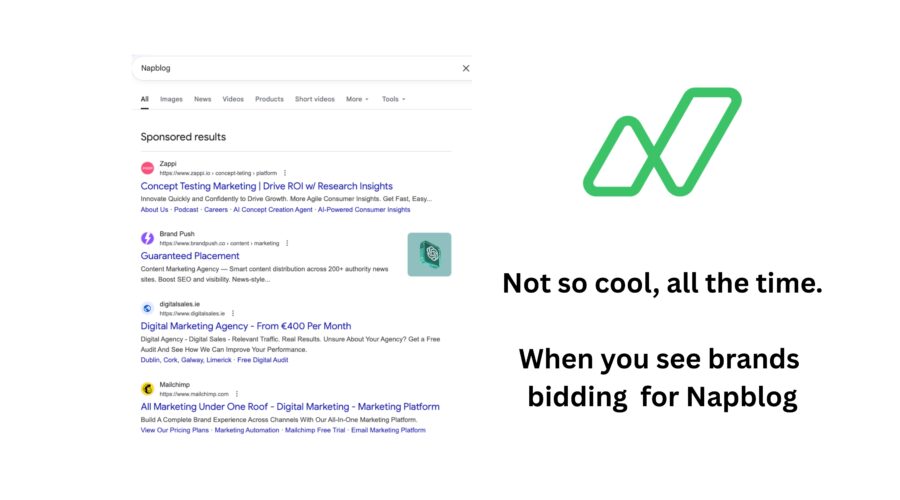
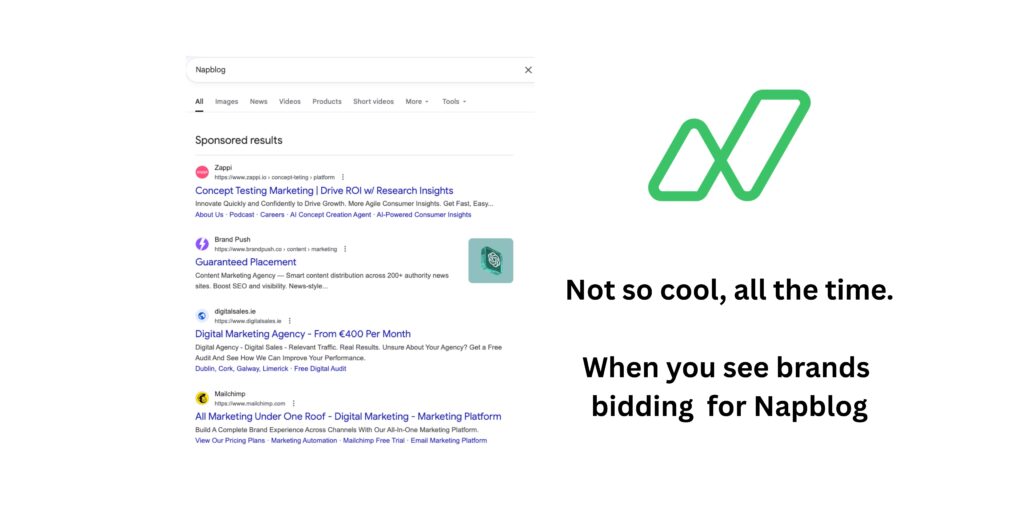
You see ads.
Other brands.
Competitors.
Platforms.
Agencies.
All bidding on your name.
And suddenly, what looked like a victory feels… complicated.
It’s not so cool, all the time.
The Day Your Name Becomes a Keyword
When someone bids on “Napblog,” they are not targeting a generic phrase.
They are targeting intent.
Branded intent.
That means:
• Someone typed Napblog deliberately
• Someone already knows the brand
• Someone is actively searching for it
And another company is intercepting that attention.
This is not random advertising.
This is strategic interception.
In performance marketing, branded search terms are among the highest converting keywords because they represent high intent. When external companies bid on them, they are effectively placing themselves between you and your audience.
It feels intrusive.
But structurally, it means one thing:
Your brand has signal value.
Why Do Brands Bid on Competitor Names?
Let’s remove emotion and examine structure.
There are three primary reasons companies bid on competitor keywords:
1. Intent Hijacking
Users searching Napblog are already in decision mode. A competitor ad may offer:
• “Better alternative”
• “More affordable solution”
• “Free trial before you commit”
The strategy is simple:
Capture traffic at peak intent.
2. Defensive Dominance
Sometimes brands bid on competitors not just for acquisition, but for psychological positioning.
If users see:
Napblog
- Competitor A
- Competitor B
- Competitor C
The mental frame shifts from:
“Napblog exists.”
To:
“Napblog is one option among many.”
That subtle reframing changes perceived authority.
3. Market Surveillance
Brands also bid to measure:
• Volume of competitor search
• Traffic cost
• Conversion rates
• Market maturity
If companies are bidding on Napblog, it signals measurable search demand.
That is market validation.
But still…
It doesn’t feel cool.
The Emotional Layer No One Talks About
Founders rarely admit this.
But seeing ads on your brand search can feel like:
• Disrespect
• Encroachment
• Insecurity trigger
• Validation mixed with threat
It challenges ego.
It forces you to confront a deeper truth:
Search is not owned territory.
Search is rented attention.
And attention is always contested.
This is where brand maturity begins.
The Search Engine Is Not Your Friend
Many founders subconsciously believe:
“If my brand is good, it should naturally rank first without interference.”
But search engines operate on auction systems.
Ads are based on:
• Bids
• Quality score
• Relevance
• Competition
Organic rankings are based on:
• Authority
• Content depth
• Backlinks
• User behavior
Neither system prioritizes emotional fairness.
They prioritize signal.
So when someone bids on Napblog, it is not personal.
It is algorithmic.
And algorithms reward aggression.
What It Really Means When They Bid on You
Let’s reframe this strategically.
When brands bid on “Napblog,” it signals:
1. You Have Brand Equity
No one bids on invisible brands.
If search volume is zero, there is no auction.
If competition exists, there is perceived value.
2. You Are in Consideration Stage
Users searching Napblog are not cold prospects.
They are warm.
They are aware.
Competitors want that warmth.
3. Your Narrative Is Not Fully Owned
If competitors feel comfortable placing their messaging alongside yours, it means your differentiation is not yet dominant enough to repel comparison.
Strong brands create mental monopolies.
When Apple users search Apple, they are rarely swayed by ads for alternatives.
That’s brand gravity.
The question is:
Has Napblog reached gravity stage yet?
If not — good.
That means growth runway exists.
Not So Cool — But Necessary
This is where Nap OS philosophy becomes relevant.
In structural systems, friction is data.
Competitor bidding is friction.
And friction reveals:
• Search volume maturity
• Market overlap
• Positioning ambiguity
• Opportunity gaps
Instead of reacting emotionally, Napblog must react structurally.
The Structural Response Framework
Here is the execution model.
Layer 1 — Defensive Bidding
If competitors bid on Napblog, Napblog should:
• Bid on its own brand term
• Secure top ad position
• Control messaging
This prevents traffic leakage.
It also increases impression dominance.
Yes, it feels unnecessary to pay for your own name.
But it prevents revenue erosion.
This is not ego spending.
This is defense architecture.
Layer 2 — Organic Authority Reinforcement
When someone searches Napblog, the page should show:
• Official site
• Product pages
• Founder thought leadership
• Press mentions
• Knowledge articles
• Reviews
• Case studies
Search results should feel immersive.
Dominance is psychological saturation.
If competitors appear, they should look secondary.
That requires:
• Content expansion
• Structured internal linking
• High authority backlinks
• Media coverage
Not occasional posts.
Systematic publishing.
Layer 3 — Narrative Lock-In
Competitors thrive when messaging is ambiguous.
If Napblog is described as:
“A marketing platform”
“A blog tool”
“A career OS”
“A structural AI system”
Inconsistency creates vulnerability.
Brand clarity reduces bidding effectiveness.
Users should search Napblog and think:
“This is exactly what I need.”
Not:
“Let me compare alternatives.”
Narrative lock-in reduces interceptibility.
Layer 4 — Audience Education
If users understand Napblog deeply before searching, ads lose power.
Education reduces susceptibility.
When the audience is informed:
• Alternatives look weaker
• Interception feels irrelevant
• Switching friction increases
Content strategy becomes defense strategy.
The Psychology of Coolness
The image says:
“Not so cool, all the time.”
Because early brand growth feels like pure validation.
Press features feel cool.
Followers feel cool.
Search growth feels cool.
Until competition notices.
Then cool turns competitive.
Then admiration turns confrontation.
But that is maturity.
Every serious brand passes this stage.
What Would It Mean If No One Bid on Napblog?
Let’s reverse the scenario.
Imagine searching Napblog and seeing:
No ads.
No competitors.
No related brands.
Just silence.
Would that feel better?
Or would that mean:
• Low search volume
• Low commercial value
• No competitive relevance
Competition is a compliment disguised as threat.
The Long-Term Game
Brands that panic react tactically.
Brands that understand structure respond strategically.
The goal is not to eliminate competitor bidding.
The goal is to become:
Unavoidable.
When brand authority increases:
• Conversion rates rise
• Brand recall strengthens
• Search loyalty deepens
Eventually, competitor ads become background noise.
Because trust outweighs temptation.
Nap OS Perspective — Structural Authority
Nap OS is not built on marketing tricks.
It is built on structural execution.
Competitor bidding is not a marketing problem.
It is an authority density problem.
Authority density means:
How much signal surrounds your name?
Signal includes:
• Content depth
• Founder voice
• Community activity
• User-generated validation
• Reviews
• Partnerships
• Media mentions
• Search consistency
The denser the signal cloud, the harder it is to intercept.
Search Is War Without Blood
Digital competition is silent.
No boardroom fights.
No public declarations.
Just auctions.
Clicks.
And data.
Brands bid quietly.
They test conversion rates.
They optimize messaging.
They iterate copy.
If Napblog is being targeted, it means someone ran numbers.
And the numbers justified it.
That is not insult.
That is evidence.
The Founder’s Internal Shift
This is the real transformation.
From:
“Why are they bidding on us?”
To:
“Good. We are worth bidding on.”
Then to:
“How do we make bidding on us unprofitable?”
When competitor ads convert poorly, they stop.
That happens when:
• Brand loyalty is strong
• Positioning is sharp
• Trust is high
The ultimate defense is not blocking ads.
It is making them ineffective.
Market Positioning Test
If someone searches Napblog and clicks a competitor ad, ask:
Why?
Was it:
• Price curiosity?
• Feature confusion?
• Weak differentiation?
• Poor landing experience?
Every intercepted click is feedback.
Every competitor impression is diagnostic data.
Instead of resisting, analyze.
From Cool to Inevitable
The evolution of a brand follows stages:
- Invisible
- Discoverable
- Recognized
- Compared
- Preferred
- Inevitable
Competitor bidding typically starts at Stage 4.
Comparison stage.
This is normal.
The goal is Stage 6.
Where comparison stops.
Where search becomes confirmation, not exploration.
Execution Roadmap for Napblog
If brands are bidding on Napblog, here is the path forward:
• Secure branded ad dominance
• Optimize landing experience
• Publish comparison pages proactively
• Build testimonial density
• Expand authority backlinks
• Strengthen founder narrative
• Increase branded search campaigns
• Retarget branded visitors
• Analyze competitor copy
Do not fight emotionally.
Out-execute structurally.
Final Truth
It’s not so cool, all the time.
Because growth exposes you.
Relevance attracts competition.
Attention invites interception.
But irrelevance is worse.
Silence is worse.
Being ignored is worse.
If brands are bidding on Napblog, it means:
Napblog matters.
Now the responsibility is:
Make it matter more.
Until bidding on Napblog becomes:
Expensive.
Ineffective.
And unnecessary.
Because the brand has become gravity.