Last updated: May 29, 2026
5 min read
A Deep, Geographic, and Strategic Analysis
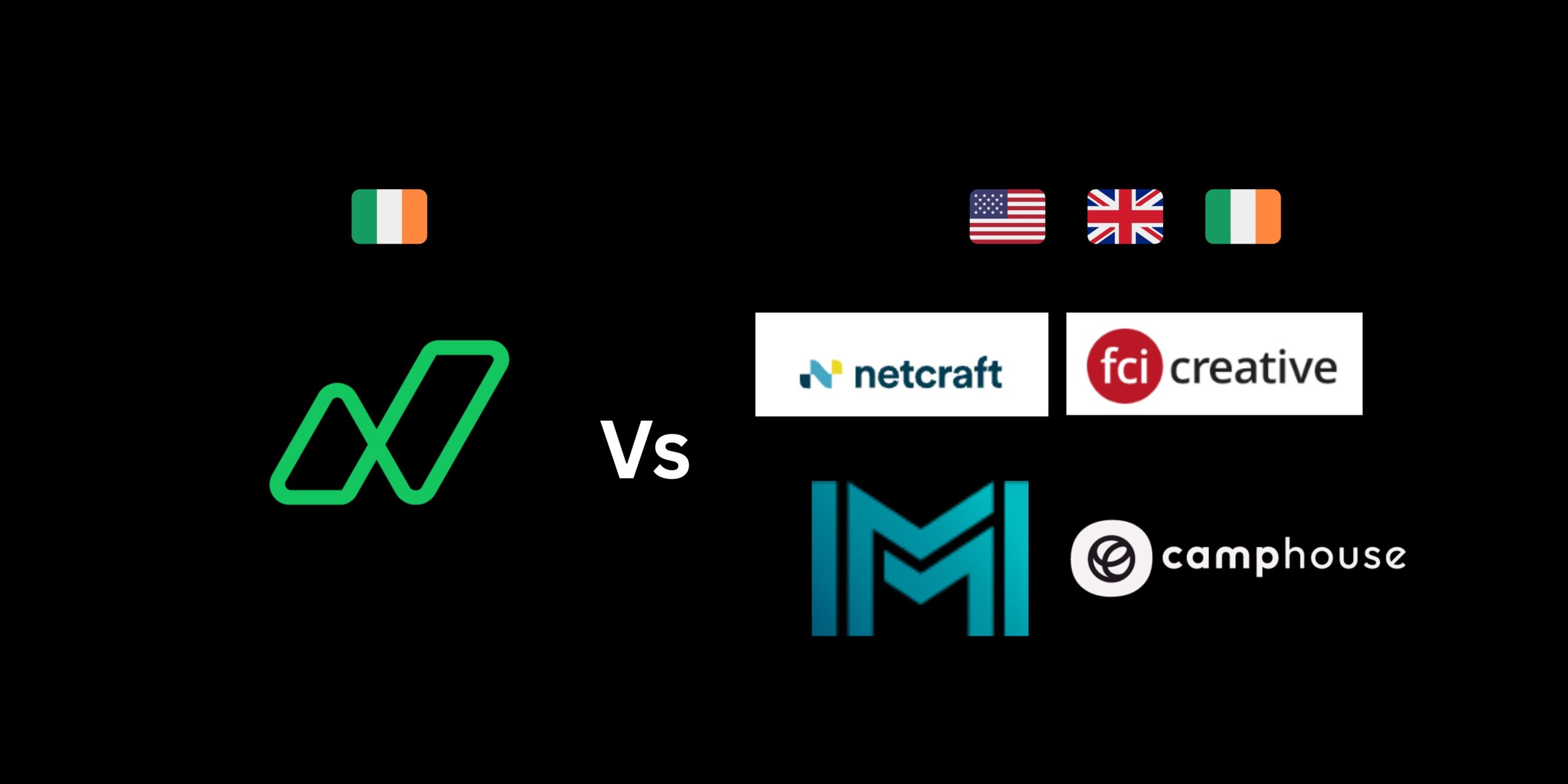
When four distinct brands—headquartered across the United States, the United Kingdom, and Ireland—simultaneously bid on the single branded keyword “Napblog,” the story is no longer about advertising mechanics. It becomes a story about geographic relevance, cross-border brand gravity, and asymmetric influence.
This is not accidental overlap.
This is not algorithmic randomness.
This is international signal convergence.
What follows is a deep explanation of why brands from three advanced marketing ecosystems are converging on one brand keyword—and what that reveals about Napblog’s current stage of evolution.
1. Geography Matters in Branded Keyword Competition
In paid search, geographic dispersion of bidders is rare for branded terms.
Most branded keyword competition is:
- Local
- Industry-bound
- Short-term
But when brands from multiple countries compete on a single branded keyword, it implies something stronger:
The brand is no longer local in relevance—even if it is local in origin.
Napblog is being interpreted by algorithms and advertisers as:
- Globally discoverable
- Contextually transferable
- Audience-relevant beyond borders
This is the first critical signal.
2. The Three Markets Involved—and What They Represent
Let us examine the strategic meaning of each geography.
United States: Scale, Systems, and Monetization Logic
The United States is the world’s most aggressive and mature paid acquisition market.
When a US-based company bids on a foreign-origin branded keyword, it usually means:
- The keyword traffic has commercial depth
- The audience shows decision-making behavior
- The brand is shaping category thinking, not just content
US advertisers rarely chase vanity traffic. Their cost-per-click tolerance is high, but only when:
- LTV potential exists
- Brand adjacency can influence enterprise or mid-market buyers
- There is future upside in early positioning
The presence of a US brand in Napblog’s branded search results indicates that Napblog traffic is being read as monetizable influence, not casual readership.
United Kingdom: Trust, Reputation, and Risk Sensitivity
The UK market is distinct.
UK-based brands are:
- Highly sensitive to brand legitimacy
- Focused on reputation, compliance, and trust signals
- Conservative in keyword experimentation compared to the US
When a UK company enters a branded keyword auction, it is often because:
- The searched brand is perceived as credible
- There is an expectation of long-term brand adjacency
- The traffic quality justifies reputation association
This suggests Napblog is being interpreted as:
- Trust-aligned
- Professionally positioned
- Not fringe or speculative
UK advertisers avoid association risk. Their participation is quiet validation.
Ireland: Education, Strategy, and Thought Capital
Ireland, particularly Dublin, has become a European hub for strategy, education, and global marketing operations.
Irish brands tend to bid on keywords that indicate:
- Learning intent
- Strategic upskilling
- Leadership curiosity
- Institutional relevance
When Irish organizations appear alongside Napblog, it indicates Napblog traffic is being read as:
- Curious, not casual
- Learning-driven, not entertainment-driven
- Senior enough to justify structured education and consulting offerings
This places Napblog in a thinking-first ecosystem, not a tools-only or influencer-only space.
3. Why These Four Brands—Specifically?
The convergence of four brands from three countries tells us something subtle but critical:
They are not competitors with each other.
They do not share the same core offerings.
They do not cannibalize the same budgets.
They operate in adjacent—but distinct—layers of the market.
That means they are not fighting each other.
They are fighting for proximity to Napblog’s audience.
4. Napblog as the Common Demand Source
In advanced marketing theory, this is called a demand-origin brand.
A demand-origin brand:
- Does not sell everything itself
- Shapes how people think
- Sets vocabulary, frameworks, and mental models
- Becomes the place before decisions are made
Each of the four brands is attempting to:
- Intercept that thinking moment
- Offer their solution at the edge of Napblog’s influence
- Convert downstream, not upstream
This is not substitution marketing.
This is adjacency marketing.
5. Why This Cannot Be Faked or Forced
Many brands try to engineer this situation by:
- Running PR
- Buying backlinks
- Pushing influencer campaigns
- Manufacturing hype
But branded keyword competition of this kind cannot be forced.
It emerges only when:
- Organic search volume exists
- Brand recall exists
- Return visitors exist
- Decision-stage users exist
Google’s auction system itself filters out noise.
Low-performing branded hijacks die quickly.
If four brands from three countries remain visible, it means:
- The traffic converts at least partially
- The click behavior justifies continued spend
- The audience quality sustains bids
This is algorithmic confirmation.
6. Why Only Four—and Why That Is Important
If Napblog were weakly positioned, you would see:
- Dozens of low-quality advertisers
- Coupon spam
- Affiliate arbitrage pages
- Generic landing pages
Instead, you see:
- Mature companies
- High-trust organizations
- Structured platforms
- Long-cycle sales models
That restraint indicates selective value, not mass-market noise.
In branding terms:
Scarcity of bidders is often stronger than abundance.
7. Cross-Border Interest Means Content Is Traveling Without Translation
Another critical insight:
Napblog content is cognitively portable.
Brands in the US, UK, and Ireland believe:
- Napblog’s ideas translate across markets
- The language of execution, marketing, and systems resonates globally
- Cultural specificity is not a barrier
This is rare.
Most content brands fail to cross borders because:
- Context is too local
- Language is too cultural
- Problems addressed are too narrow
Napblog appears to be addressing first-principle business problems, which travel well.
8. This Stage Precedes Platformization
Historically, this pattern appears before brands evolve into:
- Platforms
- Ecosystems
- Operating systems
- Category-defining entities
Before this stage:
- No one bids on your name
After this stage:
- Others build around your name
Napblog is in the middle—the most interesting phase.

9. What This Means Strategically for Napblog
From a strategic standpoint, this moment signals:
- International relevance without international spend
- Inbound validation without outbound sales pressure
- Market recognition before formal expansion
- Optionality—not obligation
Napblog does not need to respond aggressively.
The smartest response is clarity, consistency, and compounding.
10. The Deeper Truth
Four brands from the USA, UK, and Ireland are not fighting against Napblog.
They are acknowledging something fundamental:
Napblog has become a reference point.
Reference points attract:
- Interceptors
- Adjacent solutions
- Ecosystem participants
- Long-term observers
This is not noise.
This is not coincidence.
This is not a threat.
This is what global relevance looks like before scale is fully activated.
Napblog is no longer just being searched.
It is being positioned around—across borders.
Multiple brands competing for the same keyword shows the importance of strategic SEO positioning. Follow Napblog on LinkedIn.