Ideas that execute.
Every article is born from real execution inside Nap OS. Insights on building skills, launching careers, and creating systems that work.
What Strategy Napblog Follows?
In a market saturated with agencies competing on ad spend, impressions, and vanity metrics, Napblog follows a fundamentally…
Nap OS by Napblog: Why It Matters for University Students?
University education is undergoing structural change. Artificial intelligence can generate essays in seconds. Online certificates are abundant. Competition…
How Carouge Simulates Intuition — And What It Reveals About Human Psychology?
Can intuition be simulated? Within research circles, experimental cognitive architectures—often described under names such as “Carouge”—attempt to model…
AI Investment in Europe: Market Capitalization Outlook 2026–2040
Artificial Intelligence has shifted from a frontier technology to a capital-intensive macroeconomic force. Between 2026 and 2040, AI…

The Rarest Event in the Universe Isn’t a Black Hole — It’s You
They sayblack holes are rare. Massive. Mysterious. Capable of bending light. But even theyare repeatedacross galaxies. You are…
Build something real today
Nap OS turns these ideas into executable skills — verified portfolios, AI coaching, and a complete career system.
Try Nap OS Free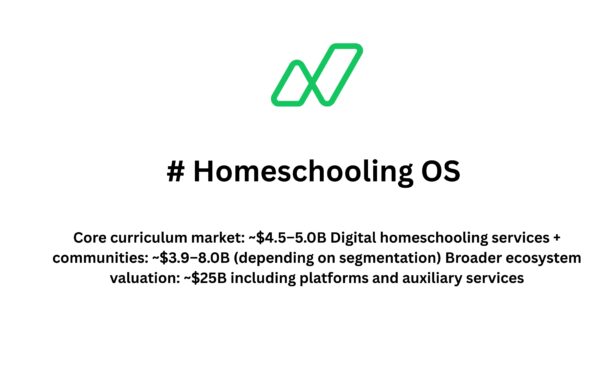
Homeschooling Market Capitalization Forecast (2026–2040): A Global and Country-Wise Analysis
The global homeschooling industry is transitioning from a peripheral education alternative into a structurally integrated segment of the…
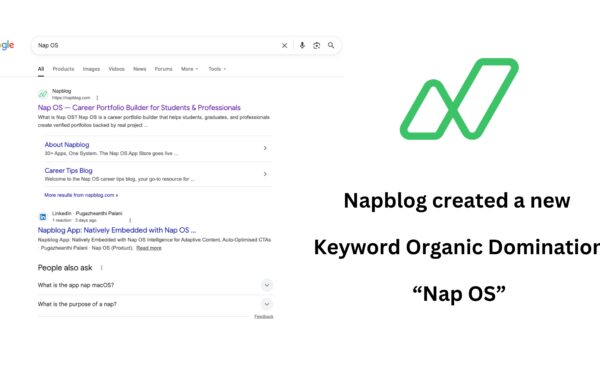
Strategic Creation of Keyword Organic Domination: Owning “Nap OS”
Napblog Limited did not simply rank for a term. It engineered ownership. This is the story of how…

Words Are Purposeless, If Used Against Meaningfulness
Words are powerful. But powerwithout purposeis noise. I have seen sentenceswin applauseand lose truth. I have heard speechesfull…
AI Europe OS and the EU Funding Application Process for Solo-Founders in 2026
For a solofounder, access to capital remains the single most decisive growth variable. The European Union has significantly…
Homeschooling in Singapore: Duration, Cost, Complexity, Application Process, Regular Education System
1. Education in a High-Performance System Singapore’s education system is globally recognized for academic rigor and strong international…
Every category maps to a
Nap OS app.
Content is organised around the tools you use. Click to explore articles or open the app directly.
Blog
NapNotesThoughts on building in public, product development, career systems, and the future of human-AI collaboration.
145 articlesNapOS
Portfolio EngineInsights, updates, and deep dives into the Nap OS platform â the career execution operating system…
79 articlesAIEOS - AI Europe OS
NapAIHow AI Europe OS helps startups and SMBs navigate EU regulation, compliance, and infrastructure to build…
71 articlesOut of Box Thinking
52 articlesHOS - Homeschooling OS
DashboardBuilding the operating system for homeschooling families â curriculum tracking, skill verification, and personalized learning paths.
49 articlesSIOS - Students Ireland OS
NapCertsResources, guides, and stories for students in Ireland navigating education, employment, and career development through technology.
43 articlesIPOS - Intuition Psychology OS
19 articlesPugazheanthi Palani
4 articlesStop reading about careers.
Start executing one.
Every article here was written from inside the system. Now it's your turn to use it.