Ideas that execute.
Every article is born from real execution inside Nap OS. Insights on building skills, launching careers, and creating systems that work.
Nap OS Mission: Building One Million Career Executions by 2040
Executive Overview The global workforce is undergoing structural transformation. Automation, artificial intelligence, hybrid work systems, skill volatility, and…

Next day is coming to give something great
The next dayis not ordinary. It is approachingwith intention. Midnight is not an ending. It is a loading…
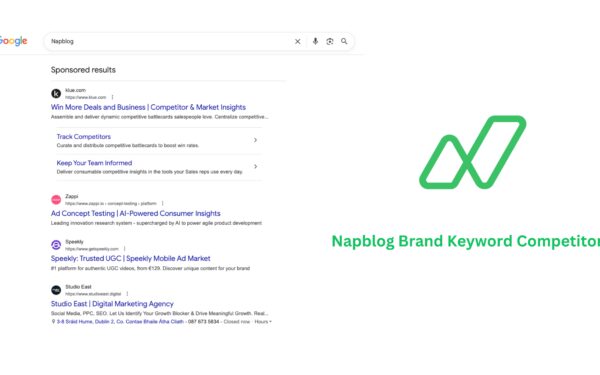
Napblog Brand Keyword Competitors Analysis 2nd Mar 2026
On 2nd March 2026, a search for the branded keyword “Napblog” triggered multiple paid advertisements from companies that…
AI Europe OS in Romania: Job Creation and Business Expansion Under EU Support
Romania is at a structural inflection point. Long characterized by labor-intensive growth, cost competitiveness, and outsourcing-driven expansion, the…

Blue House or Red House?
Blue houseor red house? Cool logicor warm intensity? Structureor spark? Masculineor feminine? I used to thinkI had to…
Build something real today
Nap OS turns these ideas into executable skills — verified portfolios, AI coaching, and a complete career system.
Try Nap OS Free
Homeschooling in Argentina: Legal Status, Process, Fees, and Practical Pathways
Homeschooling in Argentina occupies a complex and often misunderstood position within the national education framework. Unlike countries with…
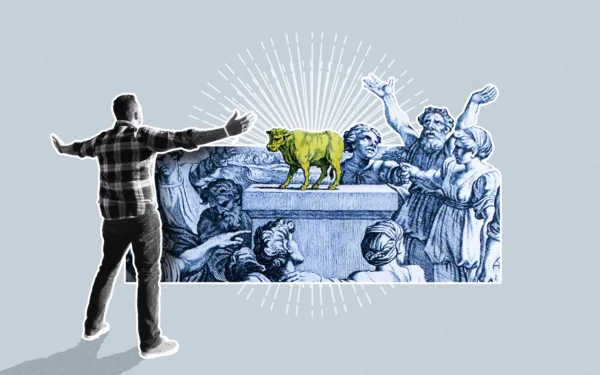
Why some people become and look like God ?- Their Beliefs and limits are more than average people
Why do some peopleseem untouchable? Unshakeable. Almost divinein their presence. It’s not their face. Not their wealth. Not…

Nenjukkul Achamillai Yaarukkum Bayamum Illai Vaaraadho Vetri Enidam
There is no fearinside my heart. No trembling. No shadowoccupying my courage. I standwithout shaking. I walkwithout shrinking.…
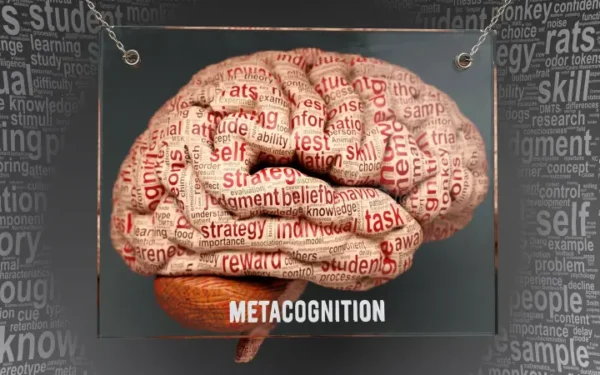
Am I Metacognitive? Pugazheanthi Palani
Am I thinking? Or am I thinkingabout thinking? There’s a difference. Most thoughtsjust pass through. Automatic. Reactive. Borrowed.…

Moments that stunts the world with spontaneous affections
The world preparesfor competition. It rarely preparesfor tenderness. Deadlines move fast. Markets react faster. But affection— arrives without…
Every category maps to a
Nap OS app.
Content is organised around the tools you use. Click to explore articles or open the app directly.
Blog
NapNotesThoughts on building in public, product development, career systems, and the future of human-AI collaboration.
143 articlesNapOS
Portfolio EngineInsights, updates, and deep dives into the Nap OS platform â the career execution operating system…
78 articlesAIEOS - AI Europe OS
NapAIHow AI Europe OS helps startups and SMBs navigate EU regulation, compliance, and infrastructure to build…
69 articlesOut of Box Thinking
50 articlesHOS - Homeschooling OS
DashboardBuilding the operating system for homeschooling families â curriculum tracking, skill verification, and personalized learning paths.
47 articlesSIOS - Students Ireland OS
NapCertsResources, guides, and stories for students in Ireland navigating education, employment, and career development through technology.
43 articlesIPOS - Intuition Psychology OS
17 articlesPugazheanthi Palani
4 articlesStop reading about careers.
Start executing one.
Every article here was written from inside the system. Now it's your turn to use it.