Ideas that execute.
Every article is born from real execution inside Nap OS. Insights on building skills, launching careers, and creating systems that work.
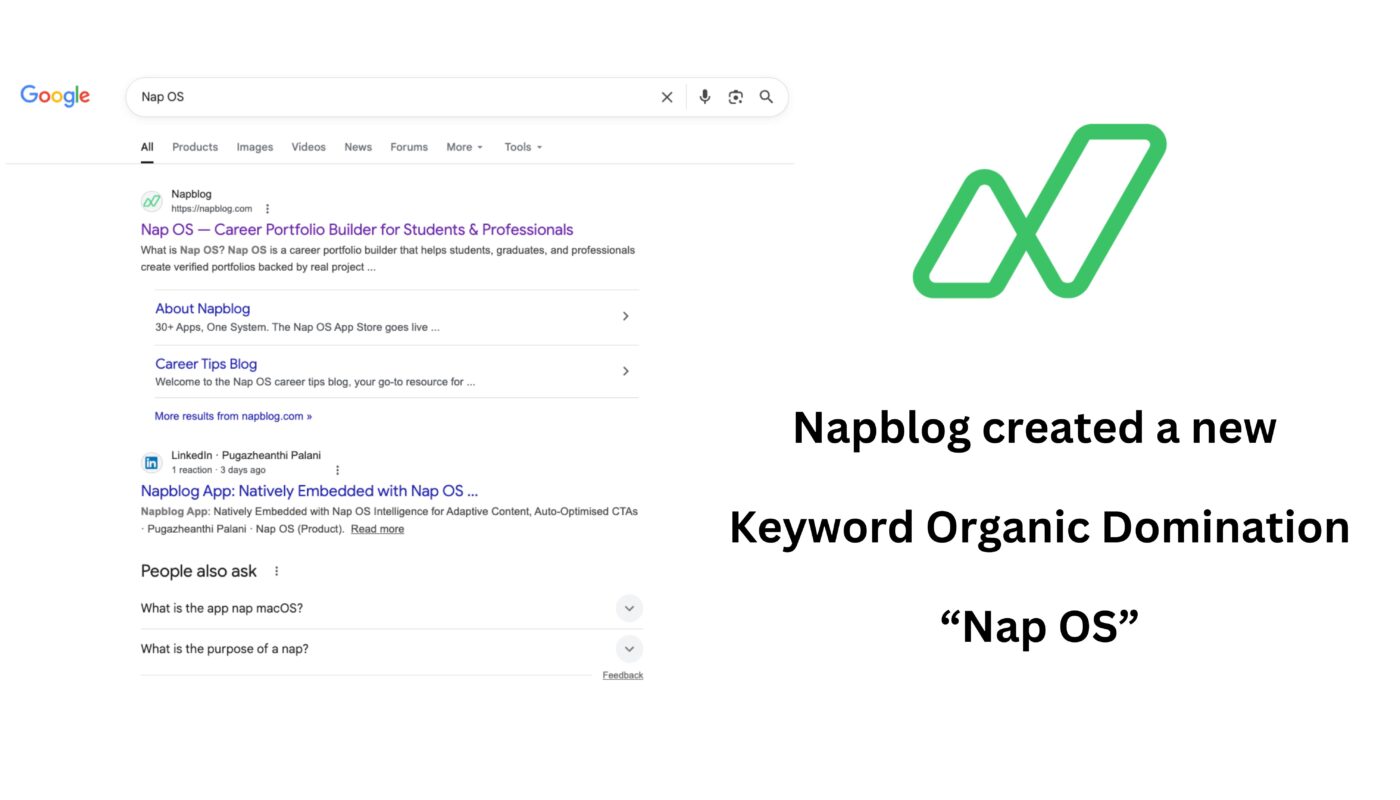
Strategic Creation of Keyword Organic Domination: Owning “Nap OS”
Napblog Limited did not simply rank for a term. It engineered ownership. This is the story of how…

Words Are Purposeless, If Used Against Meaningfulness
Words are powerful. But powerwithout purposeis noise. I have seen sentenceswin applauseand lose truth. I have heard speechesfull…
AI Europe OS and the EU Funding Application Process for Solo-Founders in 2026
For a solofounder, access to capital remains the single most decisive growth variable. The European Union has significantly…
Homeschooling in Singapore: Duration, Cost, Complexity, Application Process, Regular Education System
1. Education in a High-Performance System Singapore’s education system is globally recognized for academic rigor and strong international…
Boredom Leads to Freedom – Intuition Psychology OS
Boredom is often dismissed in modern culture as a trivial emotional state — an inconvenience, a gap in…
Build something real today
Nap OS turns these ideas into executable skills — verified portfolios, AI coaching, and a complete career system.
Try Nap OS Free
Nap OS Mission: Building One Million Career Executions by 2040
Executive Overview The global workforce is undergoing structural transformation. Automation, artificial intelligence, hybrid work systems, skill volatility, and…
Next day is coming to give something great
The next dayis not ordinary. It is approachingwith intention. Midnight is not an ending. It is a loading…
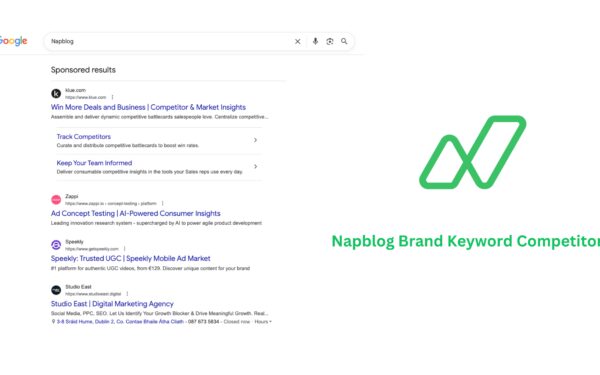
Napblog Brand Keyword Competitors Analysis 2nd Mar 2026
On 2nd March 2026, a search for the branded keyword “Napblog” triggered multiple paid advertisements from companies that…
AI Europe OS in Romania: Job Creation and Business Expansion Under EU Support
Romania is at a structural inflection point. Long characterized by labor-intensive growth, cost competitiveness, and outsourcing-driven expansion, the…

Blue House or Red House?
Blue houseor red house? Cool logicor warm intensity? Structureor spark? Masculineor feminine? I used to thinkI had to…
Every category maps to a
Nap OS app.
Content is organised around the tools you use. Click to explore articles or open the app directly.
Blog
NapNotesThoughts on building in public, product development, career systems, and the future of human-AI collaboration.
144 articlesNapOS
Portfolio EngineInsights, updates, and deep dives into the Nap OS platform â the career execution operating system…
78 articlesAIEOS - AI Europe OS
NapAIHow AI Europe OS helps startups and SMBs navigate EU regulation, compliance, and infrastructure to build…
70 articlesOut of Box Thinking
51 articlesHOS - Homeschooling OS
DashboardBuilding the operating system for homeschooling families â curriculum tracking, skill verification, and personalized learning paths.
48 articlesSIOS - Students Ireland OS
NapCertsResources, guides, and stories for students in Ireland navigating education, employment, and career development through technology.
43 articlesIPOS - Intuition Psychology OS
18 articlesPugazheanthi Palani
4 articlesStop reading about careers.
Start executing one.
Every article here was written from inside the system. Now it's your turn to use it.