Last updated: May 29, 2026
4 min read
Innovating Every Day, Constantly — The Secret Hidden in the Foundation
Innovation at Napblog was never designed to be episodic. It was never intended to happen only during product launches, funding cycles, or moments of external pressure. From the very beginning, innovation was treated as an infrastructural property — something embedded so deeply into the system that it operates even when no one is actively “trying” to innovate.
This is not accidental. It is the direct outcome of the founder’s mindset shaping how the company itself was engineered.
Mindset Before Market
Most companies begin with a market opportunity and then retrofit a culture to support it. Napblog began the other way around. The first design decision was not a product feature, a revenue model, or a go-to-market plan. It was a way of thinking.
The founding belief was simple but uncompromising:
If thinking remains sharp, systems remain relevant.
If thinking stagnates, no amount of technology will save the business.
This belief forced a shift in priorities. Instead of asking, “What should we build first?” the more important question became, “What kind of decision-making environment must exist for good ideas to survive long term?”
That question shaped everything that followed.
Infrastructure as a Thinking Engine
Napblog’s infrastructure was not designed merely to support operations. It was designed to discipline thinking.
Processes were created to remove ambiguity, not add layers. Workflows were designed to expose weak logic early rather than hide it behind activity. Documentation was treated as a strategic artifact, not an administrative chore.
Every system inside Napblog answers one core question:
Does this structure make better decisions inevitable, or does it allow mediocrity to hide?
If the answer leaned toward convenience over clarity, the structure was redesigned.
The ENTJ Operating Philosophy in Practice
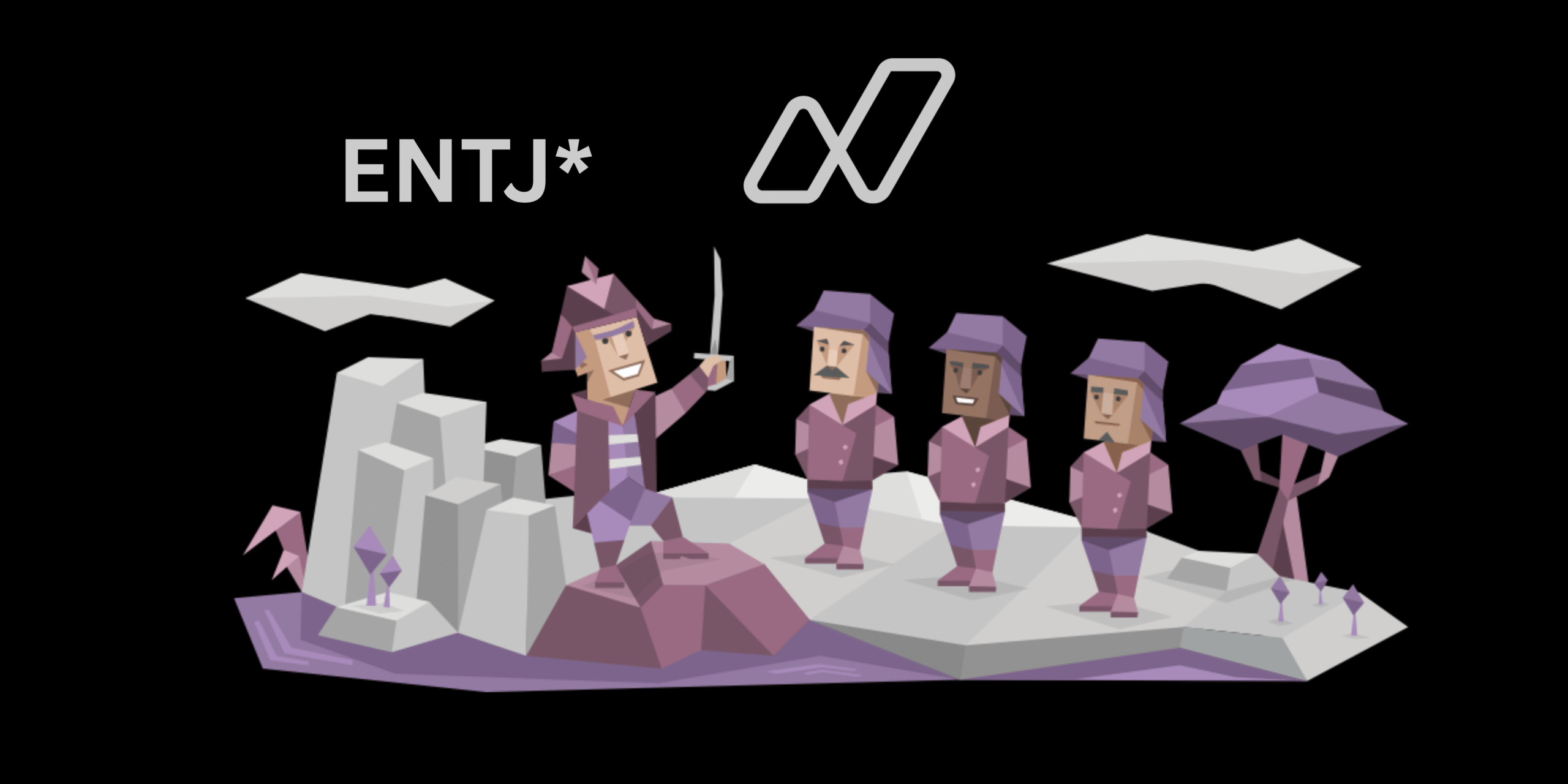
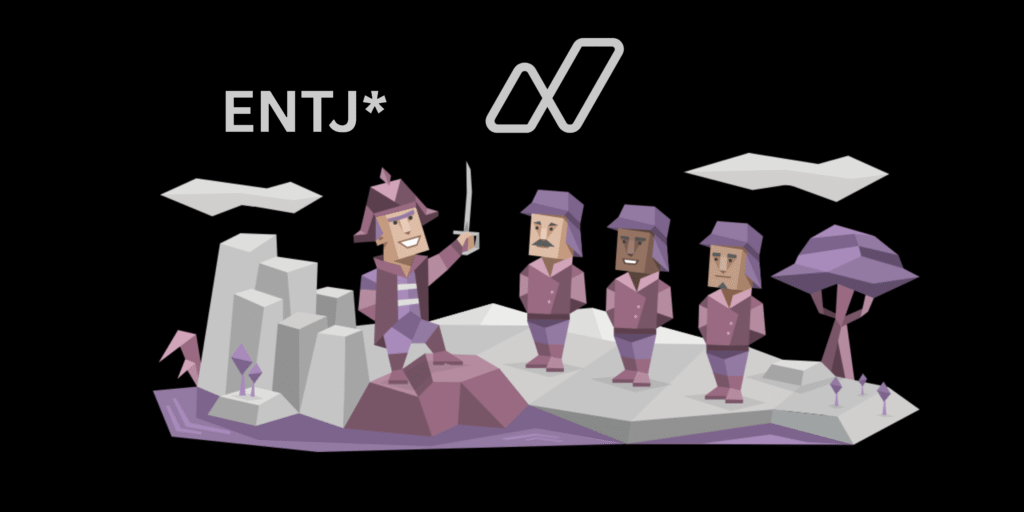
The founder’s ENTJ orientation strongly influenced this approach — not as a personality label, but as an operating philosophy.
Key traits translated directly into infrastructure choices:
- Strategic, future-oriented thinking led to systems built for scale before scale arrived.
- Decisiveness resulted in clear ownership models and non-negotiable accountability.
- Efficiency obsession eliminated redundant meetings, vague roles, and ornamental processes.
- Logic over sentiment ensured decisions were evaluated on impact, not hierarchy or emotion.
This did not mean people were ignored. It meant systems were designed to respect time, intelligence, and effort — which is a deeper form of respect than surface-level empathy.
Innovation as a Default State, Not an Initiative
At Napblog, innovation is not announced. It happens quietly, continuously, and sometimes uncomfortably.
Why? Because the infrastructure does not reward comfort.
Teams are encouraged — structurally — to challenge assumptions. Metrics are designed to reveal truth, not validate effort. Feedback loops are short and direct. If something does not work, the system surfaces it quickly and forces a decision.
There is no cultural praise for “trying hard.” There is respect for thinking clearly, executing decisively, and learning fast.
This removes one of the biggest killers of innovation: prolonged indecision masked as collaboration.
Foundation Over Flexibility
A common misconception is that innovative companies must be endlessly flexible. Napblog rejects that idea.
Napblog is structurally rigid and intellectually flexible.
The foundation — principles, decision criteria, execution standards — does not change frequently. What changes is the expression of those principles as the environment evolves.
This is why the company can innovate consistently without losing coherence. People are free to experiment, but not free to abandon discipline.
The result is a rare balance: speed without chaos, creativity without dilution.
Systems That Outlive Individuals
Another defining founder decision was to design systems that do not depend on individual brilliance.
Napblog does not rely on heroic performers or constant founder intervention. Instead, it invests in repeatable logic:
- Clear frameworks over intuition-driven decisions
- Playbooks over tribal knowledge
- Measurable outcomes over subjective validation
This makes innovation scalable. When people change, the thinking architecture remains intact.
In many companies, culture collapses when the founder steps back. At Napblog, the infrastructure carries the founder’s thinking forward — quietly enforcing standards long after conversations end.
Discomfort as a Design Feature
One uncomfortable truth guided the foundation:
If a system never challenges people, it is not helping them grow.
Napblog’s infrastructure intentionally creates friction at the right points:
- When assumptions go untested
- When execution lacks rigor
- When speed is mistaken for progress
This is not accidental harshness. It is deliberate calibration. Growth requires tension, and the system provides it without personal conflict.
People are challenged by structure, not personalities.
The Real Secret in the Foundation
The real secret behind Napblog’s constant innovation is not technology, funding, or even talent.
It is this:
The company was designed the way its founder thinks — not the way the market expected it to behave.
By prioritizing clarity over comfort, structure over spontaneity, and long-term relevance over short-term applause, Napblog built an infrastructure that makes innovation unavoidable.
Ideas are not chased. They are processed.
Creativity is not forced. It is enabled.
Progress is not hoped for. It is engineered.
That is the advantage of building a company from mindset first.
The founder mindset shapes everything about a company. Follow Napblog on LinkedIn.